Drone Attacks Knock Out Amazon Data Centers in UAE and Bahrain, Disrupting Cloud Services

Drone Attacks Knock Out Amazon Data Centers in UAE and Bahrain, Disrupting Cloud Services
By
David Goldfarb
Last updated:
March 3, 2026
First Published:
March 3, 2026


Photo: Dynamite News
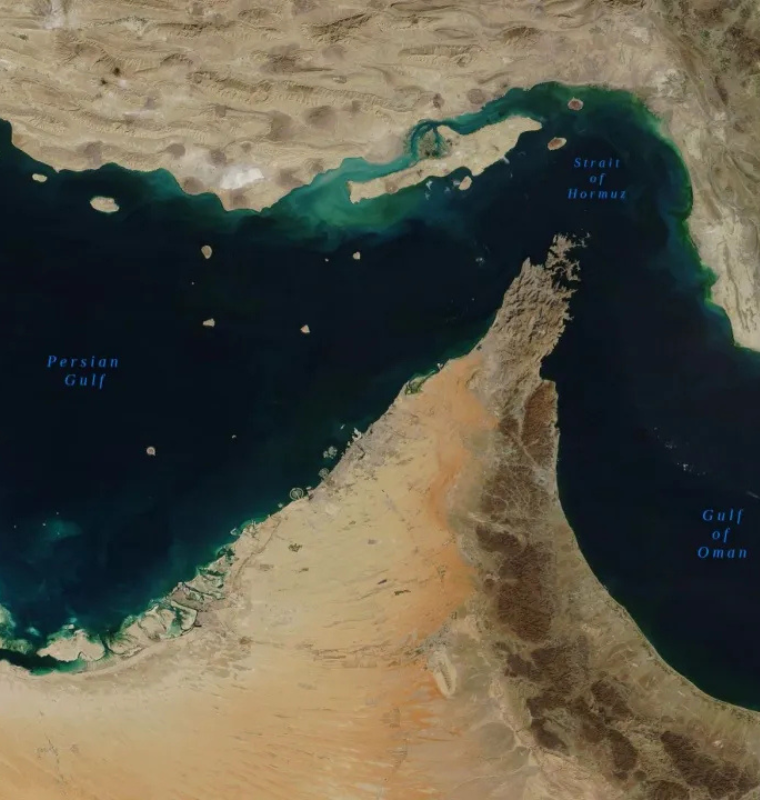
Amazon Web Services confirmed that three of its facilities in the Middle East were damaged by drone strikes over the weekend, forcing critical data centers in the United Arab Emirates and Bahrain offline and disrupting core cloud services for businesses across the region.
The incident, which occurred Sunday morning local time, marks one of the most serious direct impacts of the ongoing regional conflict on global digital infrastructure. AWS said two of its data centers in the UAE were “directly struck” by drones, while a third site in Bahrain sustained damage from a nearby blast that physically affected the company’s infrastructure.
Direct Strikes Cause Structural and Power Damage
According to AWS’s status updates, unidentified “objects” hit facilities in the UAE, triggering sparks and fires. The company later clarified that the outages were the result of drone strikes linked to escalating tensions in the Middle East.
In the UAE, both impacted data centers experienced structural damage and major power disruptions. In Bahrain, a drone strike in close proximity to an AWS facility caused infrastructure damage severe enough to require the site to be taken offline.
“These strikes have caused structural damage, disrupted power delivery to our infrastructure, and in some cases required fire suppression activities that resulted in additional water damage,” AWS said in a late-evening update.
Fire suppression systems, while necessary to protect hardware, can compound losses by introducing water exposure to servers, networking equipment, and storage arrays. Industry experts note that even brief exposure can lead to prolonged downtime due to the need for hardware replacement, data validation, and rigorous safety testing before restart.
Core AWS Services Experience Elevated Error Rates
The outages affected several of AWS’s most widely used services, including its Elastic Compute Cloud virtual servers, object storage platform, and managed database offerings. Customers in the affected regions reported elevated error rates, degraded availability, and intermittent connectivity issues.
For enterprises that rely on AWS for mission-critical workloads—ranging from fintech platforms and e-commerce operations to government services and logistics networks—the disruption posed immediate operational challenges.
AWS said it is prioritizing restoration efforts but warned that recovery may take longer than typical service interruptions due to the “nature of the physical damage involved.” Unlike software glitches or networking misconfigurations, repairing damaged power systems, cooling infrastructure, and physical server racks requires on-site engineering work and potentially the shipment of replacement hardware.
The company indicated it would provide additional updates as more information becomes available.
Regional Instability Raises Operational Risks
AWS cautioned that ongoing geopolitical instability in the Middle East could make regional operations “unpredictable” in the near term. The warning reflects broader concerns within the technology and logistics sectors about supply chain vulnerability, cross-border connectivity, and infrastructure resilience during periods of military escalation.
Earlier in the day, Amazon also alerted customers in Israel, Saudi Arabia, Kuwait, Bahrain, and the UAE to potential delivery delays. Notices were placed prominently on regional marketplaces warning of “extended delivery time” due to security conditions.
The attacks reportedly occurred amid heightened tensions following missile and drone activity across parts of the region in response to U.S.-Israeli military actions. While AWS did not attribute responsibility to any specific actor, the company acknowledged the strikes were tied to the broader conflict environment.
Cloud Resilience and Business Continuity
AWS operates dozens of regions globally, each consisting of multiple availability zones designed to provide redundancy and high availability. Customers are generally encouraged to architect applications across multiple zones—and in some cases multiple regions—to mitigate the risk of localized outages.
In its advisory, AWS recommended that customers with workloads in the impacted areas consider additional mitigation steps. These include backing up data to other regions, enabling cross-region replication, and, where feasible, migrating mission-critical systems to geographically distant AWS regions.
While AWS noted that restoring data access and service availability in some cases does not require the complete physical restoration of damaged facilities, certain region-specific workloads may remain constrained until repairs are finalized.
The incident underscores a growing reality for hyperscale cloud providers: physical infrastructure is increasingly exposed to geopolitical risk. As cloud computing becomes the backbone of finance, healthcare, energy, retail, and government systems, the resilience of data centers is no longer just a technical issue but a strategic one.
With enterprises across the Middle East accelerating digital transformation and cloud adoption—often shifting billions of dollars in IT budgets to managed infrastructure—the disruption serves as a stark reminder that digital operations remain vulnerable to real-world conflict.
AWS’s ability to restore services quickly and reassure customers will be critical in maintaining confidence in its regional footprint. At the same time, the episode is likely to intensify discussions around multi-cloud strategies, sovereign data hosting, and enhanced physical protection measures for critical technology infrastructure in high-risk zones.

Popular articles


Subscribe to unlock premium content
Dinner Reinvented in Los Angeles

The Rise of Celebrity-Curated Designer Board Games

The Rise of Designer Car Interiors in Luxury SUVs

Dinner Reinvented in Los Angeles
The Rise of Celebrity-Curated Designer Board Games
Dinner Reinvented in Los Angeles