China Tightens Oversight of AI-Fueled Stock Market Speculation

China Tightens Oversight of AI-Fueled Stock Market Speculation
By
Alina Sinclair
Last updated:
June 17, 2026
First Published:
June 17, 2026

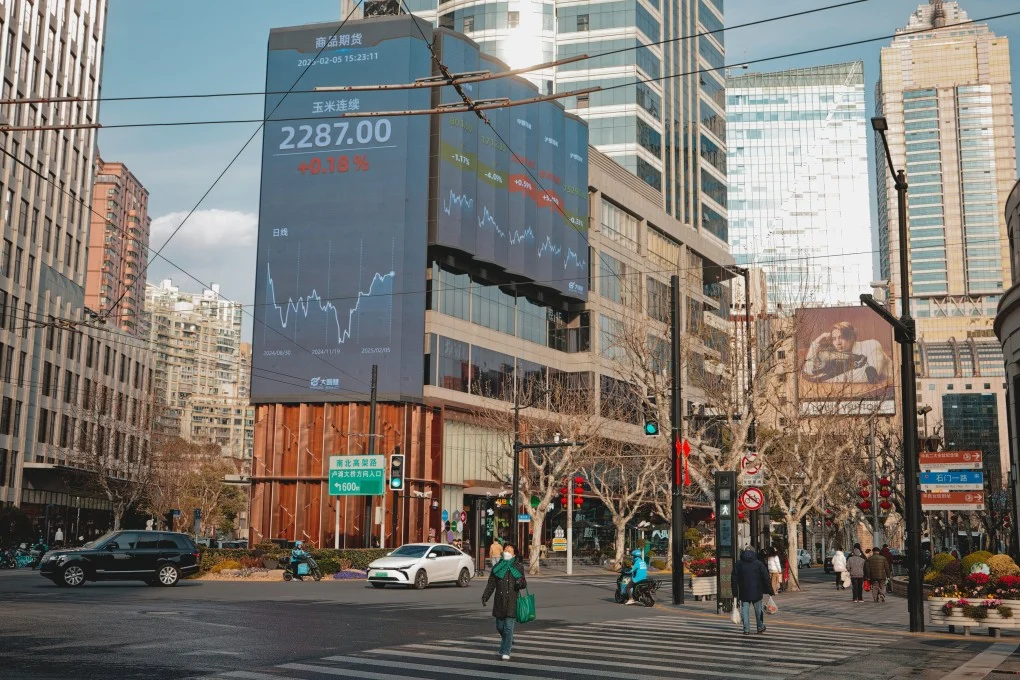
Photo: South China Morning Post
China’s top securities regulator has unveiled a tougher stance against speculative trading practices linked to artificial intelligence and other popular technology themes, underscoring Beijing’s growing determination to maintain stability in the country’s financial markets.
Speaking at the annual Lujiazui Forum in Shanghai, China Securities Regulatory Commission (CSRC) Chairman Wu Qing warned that authorities will intensify efforts to investigate and punish activities that exploit emerging technology trends to artificially inflate stock prices. The move comes as AI-related stocks continue to attract massive investor attention, driving sharp gains across segments of the Chinese equity market.
The announcement reflects broader concerns within Beijing that the rapid rise of AI-themed investments is creating fertile ground for market manipulation, insider trading, misleading disclosures, and speculative excesses that could threaten long-term market stability.
Beijing Moves to Rein in AI-Driven Market Frenzy
China’s capital markets have witnessed a powerful rally in artificial intelligence-related stocks throughout the year. Companies associated with semiconductors, AI software, cloud computing, robotics, and data infrastructure have experienced significant valuation increases as investors rush to gain exposure to the country's growing AI ecosystem.
The surge has been particularly evident in the CSI Artificial Intelligence Index, which has climbed close to 30% this year. By comparison, the broader CSI 300 Index, which tracks many of China's largest listed companies, has posted a far more modest gain of roughly 6%.
While the rally has generated substantial wealth for investors, regulators are increasingly concerned that speculative behavior is becoming detached from corporate fundamentals. Authorities fear that some businesses are using AI-related narratives primarily as a marketing tool to attract investors rather than reflecting genuine technological capabilities or meaningful revenue growth.
According to market observers, similar speculative patterns have emerged in previous investment cycles involving sectors such as commercial space technology, electric vehicles, blockchain, and China's low-altitude economy initiatives.
Crackdown on Market Manipulation and Insider Trading
The CSRC signaled that enforcement efforts will focus heavily on activities that distort market pricing and mislead investors.
Officials specifically highlighted concerns surrounding:
- Artificial promotion of technology-related stock themes
- Market manipulation schemes designed to boost share prices
- Insider trading activities
- Misleading corporate disclosures
- False or exaggerated claims regarding AI capabilities
- Rumor-driven trading activity
Authorities emphasized that companies and investors attempting to exploit investor enthusiasm around artificial intelligence will face stricter scrutiny and regulatory action.
The warning arrives amid reports that executives and major shareholders at several mainland-listed semiconductor companies have accelerated share sales during the recent rally, seeking to capitalize on elevated market valuations generated by AI-related optimism.
New Rules Planned for Artificial Intelligence in Capital Markets
A major component of Beijing’s strategy involves establishing clearer rules governing how artificial intelligence can be used within financial markets.
The CSRC announced plans to release dedicated guidance addressing AI applications in the investment sector. Regulators are particularly focused on preventing the misuse of AI technologies that generate stock recommendations or influence investment decisions without proper oversight.
Officials are also monitoring the growing use of advanced AI systems capable of creating misleading content, including fabricated financial information, manipulated media, and investment-related misinformation that can spread rapidly across online platforms.
The new framework is expected to address how financial institutions, listed companies, analysts, and technology providers can responsibly deploy AI tools while maintaining market transparency and investor protection.
Rising Concerns Over AI-Related Financial Risks
Industry experts note that artificial intelligence has created an entirely new set of regulatory challenges for financial authorities around the world.
One growing concern involves the use of AI-generated content to influence investor behavior. Advanced generative AI systems can now produce realistic text, audio, images, and videos that may be difficult for retail investors to distinguish from authentic information.
Regulators are particularly worried about:
- AI-generated misinformation campaigns
- Deepfake videos involving public figures
- Automated stock-promotion content
- Fake investment research reports
- Algorithmic manipulation of market sentiment
- Unverified AI-generated trading recommendations
Financial experts believe these technologies could amplify volatility and increase the speed at which false information spreads throughout the market.
At the same time, regulators are paying closer attention to listed companies that aggressively market themselves as AI businesses despite having limited technological exposure. Such practices can create valuation distortions and encourage speculative trading disconnected from actual business performance.
China Takes a Different Path from Wall Street
China’s regulatory approach stands in contrast to the strong enthusiasm surrounding AI-related investments in the United States, where investors have poured hundreds of billions of dollars into technology giants and AI-focused companies.
While U.S. markets have largely embraced the AI boom as a major growth opportunity, Chinese regulators appear more focused on preventing the formation of speculative bubbles before they become systemic risks.
Beijing’s strategy reflects a broader philosophy that prioritizes market stability, investor protection, and long-term capital market development over short-term speculative gains.
Authorities appear determined to support genuine technological innovation while discouraging excessive speculation that could undermine confidence in financial markets.
AI Regulation Emerging as a Global Priority
The growing intersection between artificial intelligence and financial markets is becoming a major topic for policymakers worldwide.
As AI technologies become increasingly integrated into trading systems, investment research, portfolio management, and corporate communications, regulators are racing to establish safeguards that balance innovation with risk management.
Analysts expect AI-related financial regulation to become an important component of future international discussions between major economies, particularly as governments seek common approaches to addressing challenges such as misinformation, market manipulation, algorithmic transparency, and investor protection.
For China, the latest measures signal a clear message: while artificial intelligence remains a strategic priority for economic growth and technological advancement, authorities are determined to ensure that enthusiasm for the sector does not evolve into unchecked speculation that threatens the integrity of the country's capital markets.
.webp)
Popular articles



Subscribe to unlock premium content
Step Into the Future of Art

London’s Gourmet Playgrounds

The New Frontier of Children’s Entertainment

Step Into the Future of Art
London’s Gourmet Playgrounds
Step Into the Future of Art