China Holds Key Lending Rates Steady as Growth Slows and Deflation Deepens

China Holds Key Lending Rates Steady as Growth Slows and Deflation Deepens
By
Augusta Parker
Last updated:
January 20, 2026
First Published:
January 20, 2026

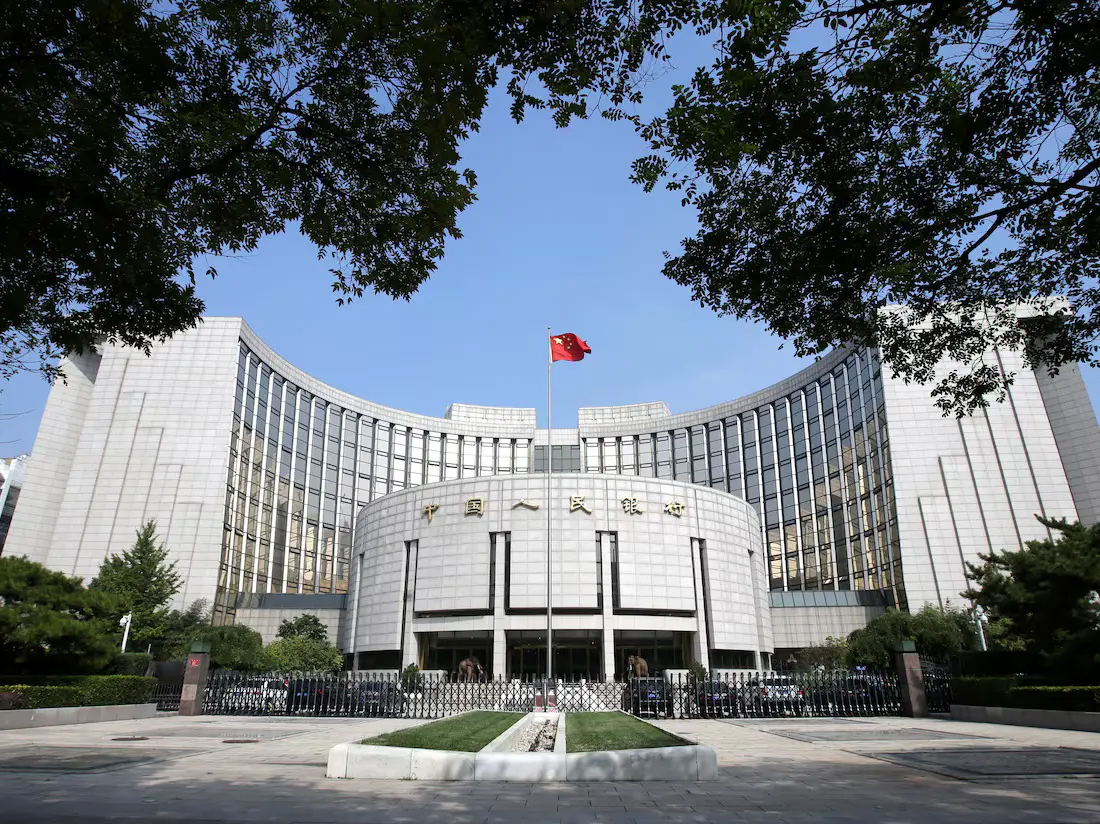
Photo: WION
Rates Stay on Hold as Policy Caution Prevails
China’s central bank has once again opted for stability over stimulus, keeping its benchmark lending rates unchanged despite clear signs of economic strain. On Tuesday, the People’s Bank of China left the one-year loan prime rate at 3 percent and the five-year loan prime rate at 3.5 percent, marking the eighth consecutive month without a cut.
The one-year rate serves as the benchmark for most corporate and household loans, while the five-year rate directly influences mortgage pricing. By holding both steady, policymakers signaled a continued preference for targeted support measures rather than broad-based monetary easing.
Economic Momentum Continues to Fade
The rate decision comes as China’s economy shows further loss of momentum. Gross domestic product expanded 4.5 percent year on year in the fourth quarter of 2025, the slowest pace since the economy reopened after strict Covid restrictions in late 2022.
More concerning for policymakers is the prolonged weakness in nominal growth. Nominal GDP rose just 3.8 percent in the final quarter, remaining below 4 percent for a third straight year. Economists note this is the weakest nominal growth rate in roughly half a century, excluding the pandemic-hit year of 2020, raising alarms about corporate profitability and wage growth.
The GDP deflator, which tracks price changes across the economy, has remained negative for 11 consecutive quarters, highlighting persistent deflationary pressure that continues to weigh on consumption and investment.
Consumers Pull Back as Confidence Weakens
Signs of strain are especially visible on the consumer side. Retail sales growth slowed to just 0.9 percent in December, a three-year low, as households remained cautious amid a prolonged housing downturn, limited job security, and falling prices.
The property sector, once a pillar of growth and household wealth, continues to drag on sentiment. Falling home prices and stalled projects have reduced consumers’ willingness to spend, reinforcing the deflationary cycle policymakers are struggling to break.
China’s state planner reiterated this week that authorities will pursue more proactive fiscal policies alongside a moderately loose monetary stance, with the stated aim of stabilizing prices and restoring confidence.
Targeted Tools Take Center Stage
Rather than cutting benchmark rates, the central bank has intensified its use of structural monetary tools. Last week, it lowered rates on relending facilities by 25 basis points, bringing the one-year relending rate for agriculture and small businesses down to 1.25 percent.
This approach reduces banks’ funding costs and encourages lending to priority sectors without compressing margins across the entire financial system. The PBOC is also preparing a dedicated relending program for private enterprises and plans to expand quotas for technology innovation loans and financing for small and medium-sized firms.
In the property market, policymakers are easing conditions selectively. The minimum down-payment requirement for commercial property mortgages will be reduced to 30 percent, a move aimed at clearing excess inventory and preventing further price declines.
Credit Demand Remains Subdued
Despite these efforts, borrowing appetite remains weak. New bank lending fell to 16.27 trillion yuan in 2025, a seven-year low, underscoring the challenge facing policymakers. Businesses remain cautious about expanding capacity, while households continue to prioritize saving over borrowing.
The slowdown in credit growth has intensified pressure on Beijing to deliver more forceful stimulus, even as officials remain wary of reigniting financial risks tied to debt and property speculation.
Scope for Further Easing Still Exists
Senior central bank officials have acknowledged that additional easing remains possible. Deputy Governor Zou Lan said there is still room to cut both the reserve requirement ratio and policy interest rates this year, noting that conditions have improved.
Banks’ net interest margins, a key constraint on aggressive rate cuts, have shown signs of stabilization. Margins stood at 1.42 percent for a second consecutive quarter through September, though they remain lower than a year earlier.
Currency dynamics have also shifted in Beijing’s favor. The offshore yuan has strengthened by more than 1 percent against the U.S. dollar over the past month, briefly moving below the psychologically important level of 7 per dollar for the first time since May 2023. The onshore yuan has traded near similar levels, while yields on China’s 10-year government bond have edged down to around 1.83 percent.
Officials have attributed the yuan’s appreciation to a softer dollar and easing geopolitical tensions with the United States, rather than changes in domestic monetary policy. The central bank has reiterated its commitment to preventing excessive currency swings and maintaining exchange rate stability.
Mixed Signals Across the Economy
Not all indicators are weak. Manufacturing output rose 5.9 percent in 2025, and exports increased 5.5 percent, pushing China’s trade surplus to a record level of roughly $1.2 trillion. These gains reflect resilient global demand for Chinese goods and firms’ ability to adapt to rising trade barriers.
However, domestic investment tells a different story. Urban fixed-asset investment fell 3.8 percent last year, the first annual decline in decades. The drop was driven by the deepening property slump and Beijing’s efforts to rein in local government debt and excess industrial capacity.
Outlook: Gradual Easing, Not a Shock Move
Most economists expect the PBOC to move cautiously in the months ahead. Some forecast a reserve requirement cut of around 50 basis points and a modest policy rate reduction of about 10 basis points in the first quarter, rather than a dramatic shift.
For now, China’s central bank appears determined to balance growth support with financial stability, even as deflation, weak demand, and slowing momentum test the limits of its incremental approach.
.webp)
Popular articles



Subscribe to unlock premium content
Chile’s Desert Skies Are Becoming the World’s Most Exclusive Destination

The Rise of Heritage Manor Stays in the United Kingdom Countryside

H&M’s Circular Fashion Model Is Redefining Fast Fashion’s Future

Chile’s Desert Skies Are Becoming the World’s Most Exclusive Destination
The Rise of Heritage Manor Stays in the United Kingdom Countryside
Chile’s Desert Skies Are Becoming the World’s Most Exclusive Destination