$160 Billion Tariff Refund Wave Begins as U.S. Retail Giants Prepare for Massive Payouts

$160 Billion Tariff Refund Wave Begins as U.S. Retail Giants Prepare for Massive Payouts
By
David Goldfarb
Last updated:
April 21, 2026
First Published:
April 21, 2026


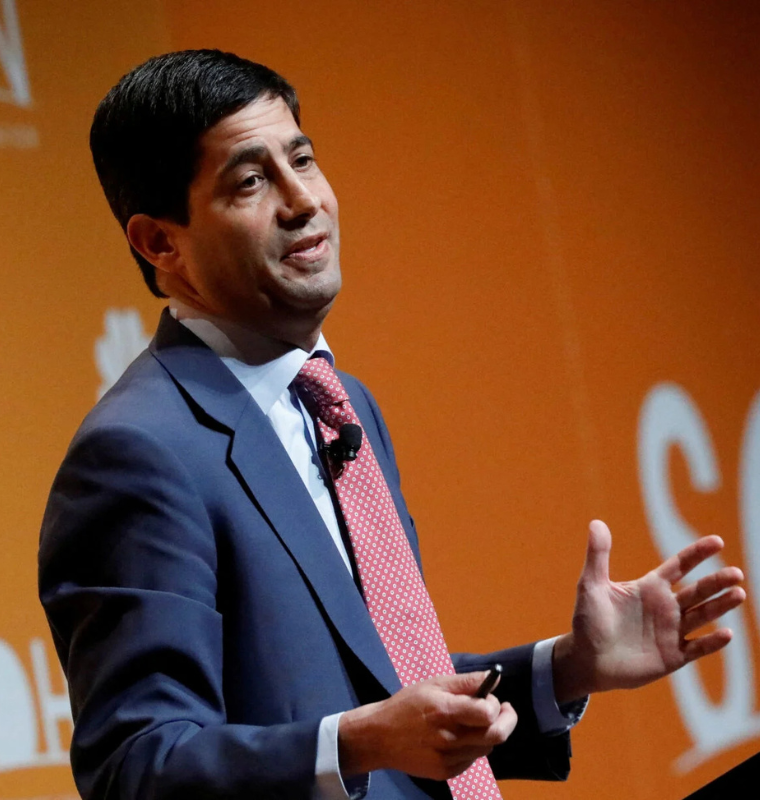
Photo: Toledo Blade
A long-awaited financial reset is underway for U.S. importers as the government launches a new system to process more than $160 billion in tariff refunds. The move follows a landmark Supreme Court ruling earlier this year that declared a major tranche of tariffs imposed under emergency powers to be unlawful, triggering one of the largest potential reimbursements in recent trade history.
At the center of this process is a newly introduced digital claims platform by U.S. Customs and Border Protection, designed to streamline refund requests. The system, known as the Consolidated Administration and Processing of Entries, aims to allow businesses of all sizes to submit claims and receive consolidated payouts. While the framework appears efficient on paper, expectations across the industry remain cautious.
Importers, legal experts, and analysts are broadly aligned on one point: the process is unlikely to be fast or simple. Despite the legal clarity provided by the Supreme Court, there are concerns that bureaucratic complexity, layered verification requirements, and potential legal challenges could significantly delay payouts. Some trade attorneys have even suggested that the government may impose procedural hurdles that slow the pace of refunds.
For major retailers, the financial stakes are substantial. Walmart is projected to receive approximately $10.2 billion, while Target could reclaim around $2.2 billion. Nike is expected to receive close to $1 billion. Other retailers including Kohl’s, Gap, and Macy’s are also in line for hundreds of millions in refunds.
These potential inflows could meaningfully impact corporate balance sheets. While most companies have not yet incorporated refunds into forward guidance due to uncertainty around timing, executives have indicated that the funds could be used for a range of strategic purposes. Options include share buybacks, debt reduction, reinvestment into operations, or simply strengthening cash reserves.
However, the financial upside comes with complications. One major concern is legal exposure. During the period when tariffs were in effect, many companies passed on increased costs to consumers through higher prices. Economic analysis suggests that these tariffs contributed nearly 0.8 percentage points to inflation levels by late 2025. If companies now receive refunds while having already transferred costs to customers, they could face legal challenges from buyers or stakeholders questioning pricing practices.
Adding another layer of uncertainty is the broader direction of U.S. trade policy. While the Supreme Court ruling invalidated tariffs imposed under emergency authority, policymakers are already exploring alternative mechanisms to reinstate similar measures. Section 301 tariffs, which target unfair trade practices, are being actively considered and could potentially restore tariff levels by mid-year.
This possibility is raising concerns among importers, who fear a cycle of removal and reimplementation that creates ongoing instability. Even if new tariffs are introduced at slightly lower levels, the unpredictability could complicate supply chain planning, pricing strategies, and long-term investment decisions.
From a macroeconomic perspective, the refund process represents both an opportunity and a risk. On one hand, the injection of billions of dollars back into corporate balance sheets could support business investment and shareholder returns. On the other hand, delays, disputes, and policy reversals could dilute the immediate economic impact.
For now, companies are preparing to navigate a complex system with cautious optimism. The launch of the claims portal marks a critical first step, but the real test lies in execution. How quickly funds are distributed, how disputes are resolved, and whether new tariffs emerge will ultimately determine the broader economic and market impact of this unprecedented refund cycle.
.webp)
Popular articles



Subscribe to unlock premium content
Hidden Travel Gems That Boost Creativity According to Billionaires

How Streetwear Became a Billion-Dollar Industry From Niche to Mainstream

How Harry Potter Became a Global Brand and Took Over the Muggle World

Hidden Travel Gems That Boost Creativity According to Billionaires
How Streetwear Became a Billion-Dollar Industry From Niche to Mainstream
Hidden Travel Gems That Boost Creativity According to Billionaires