Zepto Moves Toward $1.2 Billion IPO as India’s Quick Commerce Race Intensifies

Zepto Moves Toward $1.2 Billion IPO as India’s Quick Commerce Race Intensifies
By
Junia Wells
Last updated:
December 30, 2025
First Published:
December 30, 2025

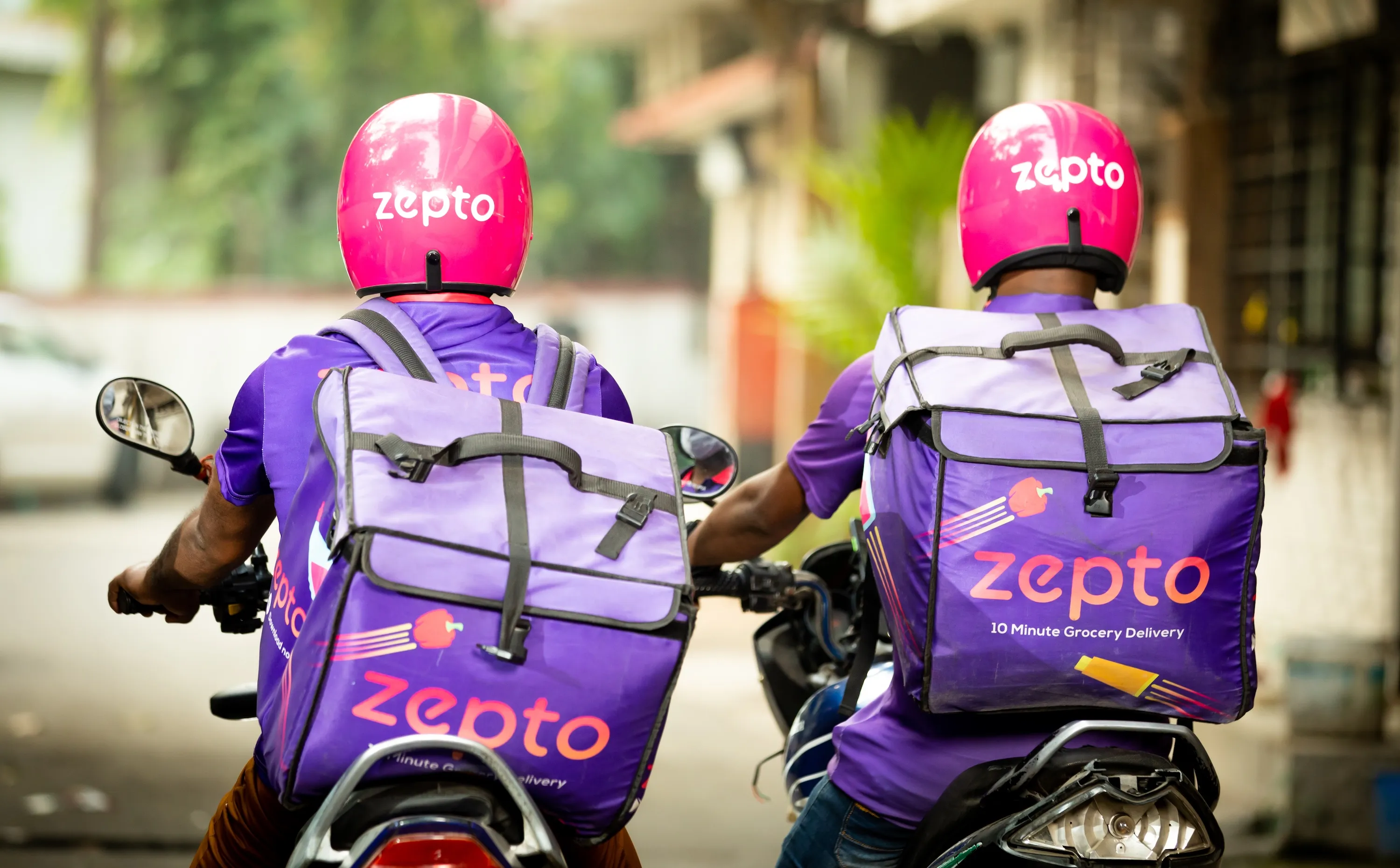
Photo: TechCrunch
Zepto Takes the IPO Route
Indian quick commerce startup Zepto has confidentially filed draft papers for an initial public offering aiming to raise approximately 110 billion rupees or about $1.22 billion. The filing was made under India’s confidential pre filing route allowing companies to keep financial and operational details private until closer to launch.
Zepto confirmed the filing but declined to share additional specifics. The company was last valued at around $7 billion in an October funding round according to data from Tracxn placing the planned IPO among the largest tech listings expected from India’s consumer internet space.
A Crowded and Aggressive Market
Quick commerce which promises deliveries in as little as 10 minutes has become one of the most competitive segments in India’s digital economy. What began as a niche convenience play has rapidly evolved into a capital intensive arms race involving global giants and domestic heavyweights.
Amazon has escalated its presence with the launch of Amazon Now a 15 minute delivery service rolled out across Mumbai Delhi and Bengaluru. The company has said it plans to operate more than 300 micro fulfillment centers across these cities by year end highlighting the scale of infrastructure investment underway.
Walmart owned Flipkart entered the segment in 2024 while food delivery leaders Swiggy and Eternal which owns Zomato and Blinkit were early movers. Over the past three to five years dozens of players have entered the market triggering aggressive discounting and price wars as companies chase market share and long term dominance.
Market analysts estimate that quick commerce currently accounts for roughly 10 percent of India’s total e commerce market but could expand to 40 to 50 percent over the medium to long term as urban consumers increasingly prioritize speed and convenience.
Capital Keeps Flowing but Losses Are Rising
Despite mounting competition investor interest remains strong. Earlier this month Swiggy raised 100 billion rupees from institutional investors to expand its quick commerce network including dark stores and neighborhood warehouses designed to reduce delivery times.
However the sector’s financial fundamentals are drawing closer scrutiny. Zepto’s losses reportedly widened sharply in fiscal year 2025 to 33.67 billion rupees up from 12.15 billion rupees the previous year reflecting higher delivery costs marketing spend and infrastructure expansion.
Swiggy posted a net loss of 31.17 billion rupees in FY25 compared with 23.50 billion rupees a year earlier. Eternal reported net income of 5.27 billion rupees in FY25 benefiting from its diversified portfolio but still faces margin pressure in its Blinkit unit.
Warnings of a Bubble Grow Louder
Some industry leaders have begun openly questioning the sustainability of the sector’s growth model. Blinkit CEO Albinder Dhindsa has warned that quick commerce has relied heavily on continuous fundraising to offset steep operating losses and that companies may soon hit limits on how long investors are willing to absorb those losses.
Analysts echo those concerns noting that profitability remains elusive for most players. Without a clear path to positive cash flow sustained high burn rates could expose the sector to a sharp correction if funding conditions tighten.
IPO Timing Raises the Stakes
Zepto’s decision to move toward an IPO comes at a pivotal moment. Public markets will likely demand clearer evidence of operational efficiency unit economics and a roadmap to profitability than private investors have required so far.
If successful the listing could provide Zepto with fresh capital to defend its position in a brutal competitive landscape. But it may also become a key test case for whether India’s quick commerce model can justify its valuations once exposed to public market scrutiny.

Popular articles


Subscribe to unlock premium content
The New Wave of Superyacht Ownership

Micro-Experience Convenience Stores Are Reinventing Quick Stops

Custom Vans for Digital Nomads Redefine Mobility

The New Wave of Superyacht Ownership
Micro-Experience Convenience Stores Are Reinventing Quick Stops
The New Wave of Superyacht Ownership