Xiaomi — The Startup Making Premium Tech Affordable
By
Leah Rosenfeld
Last updated:
February 23, 2026
First Published:
February 23, 2026

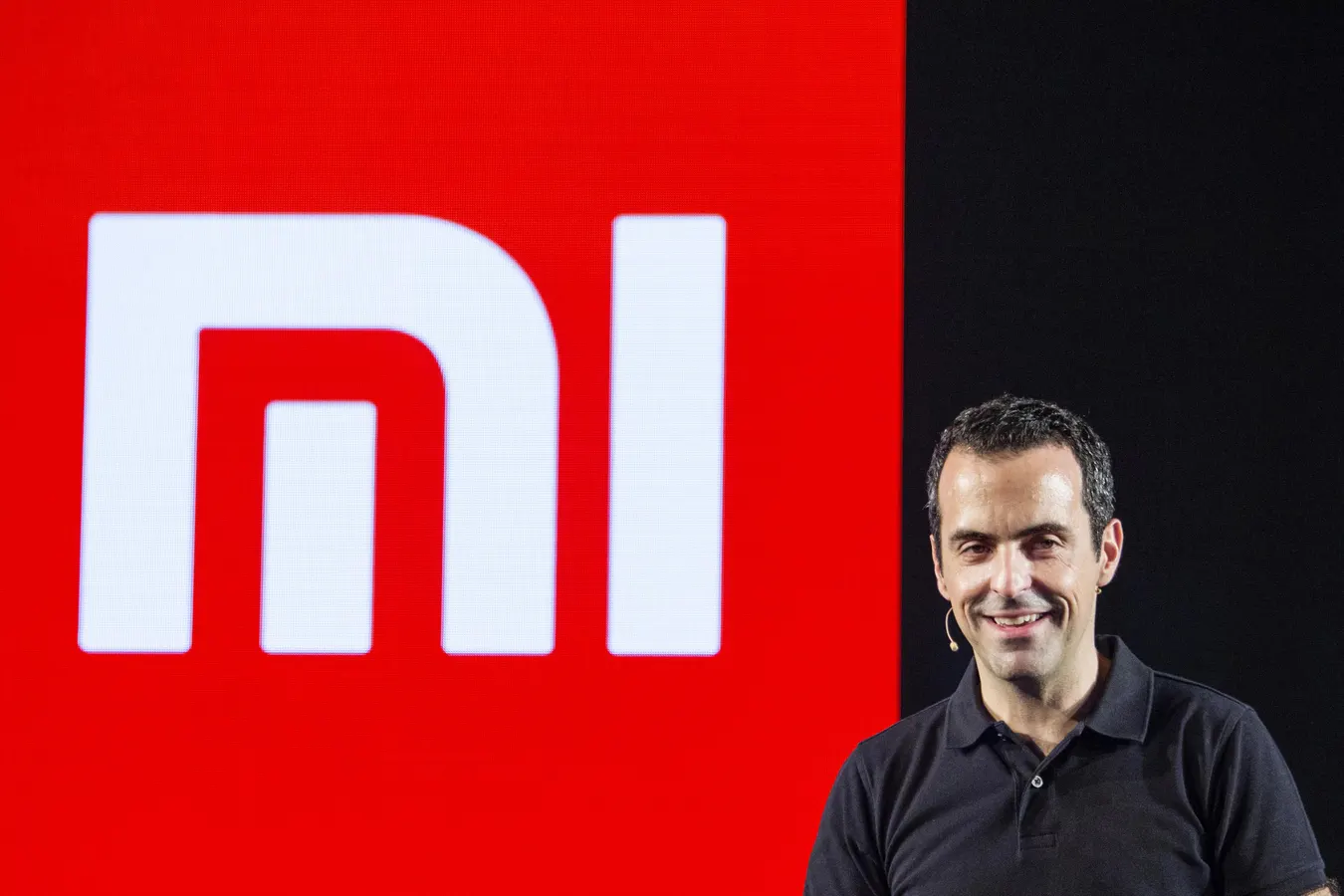
Xiaomi – Innovation Meets Affordability
Founded in 2010, Xiaomi is a Chinese consumer electronics and smart hardware company that produces smartphones, smart home devices, and lifestyle products. The company’s mission is to create high-quality technology at affordable prices, making cutting-edge innovation accessible to millions of users.
Xiaomi combines hardware, software, and internet services into a unique ecosystem, offering a seamless experience across devices. Its products range from smartphones and laptops to smart TVs, fitness trackers, and AI-powered home devices.
Founding Story
Xiaomi was founded by Lei Jun, a serial entrepreneur and technology visionary. Prior to Xiaomi, Lei Jun co-founded Kingsoft, a leading Chinese software company.
Inspired by Apple’s innovation model but aiming for affordability, Lei Jun wanted to create smartphones that delivered high performance without the high price tag. Starting in Beijing with a small team of 10 engineers, Lei Jun focused on building quality hardware paired with MIUI, Xiaomi’s proprietary software.
Funding and Growth Milestones
Xiaomi’s growth trajectory has been rapid and remarkable:
- 2010: Founded with an initial investment of $10 million from Lei Jun and angel investors.
- 2011: Launched first MIUI ROM (custom Android OS), creating early brand loyalty among tech enthusiasts.
- 2011: Released the first Xiaomi smartphone, Mi 1, sold online and quickly sold out.
- 2014: Expanded internationally to India and Southeast Asia, capturing large market share.
- 2018: Became the world’s fourth-largest smartphone maker, selling over 91 million units.
- 2018: Raised $1.1 billion in funding and filed for IPO.
- 2020: Listed on the Hong Kong Stock Exchange, valuation exceeding $54 billion.
- 2023: Xiaomi products sold in over 100 countries, with a global ecosystem of smartphones, smart home devices, and lifestyle products.
Business Model and Technology
Xiaomi combines hardware innovation with internet services to generate revenue:
- Product Ecosystem: Smartphones, smart TVs, laptops, wearables, and IoT devices interconnected via MIUI and Mi Home app.
- B2C Model: Direct sales online, retail partnerships, and flash sales strategy to reduce costs.
- Revenue Streams: Hardware sales, internet services (apps, advertising, cloud services), and smart home devices.
- Technology & R&D: Focused on cost-effective innovation and continuous software updates.
Xiaomi differentiates itself by combining premium quality with affordability, creating a loyal fanbase globally.
Market Impact
Xiaomi has transformed the consumer electronics landscape:
- Global Reach: Competes with Apple and Samsung while providing devices at significantly lower prices.
- Innovation Leadership: Pioneered online flash sales, IoT ecosystem integration, and MIUI updates.
- Affordability Impact: Made high-quality smartphones and smart home devices accessible to millions worldwide.
- Brand Loyalty: Engaged community of users contributing to product development and feedback.
Xiaomi demonstrates how a value-driven startup can disrupt global tech markets.
Challenges and Controversies
Despite rapid growth, Xiaomi has faced challenges:
- Competition: Fierce competition from Samsung, Apple, Huawei, and Oppo.
- Regulatory Scrutiny: International markets, especially India and the U.S., have posed regulatory challenges.
- Profit Margins: Low pricing strategy sometimes limits hardware profit margins, requiring service monetization.
Lei Jun navigated these by emphasizing ecosystem services, international expansion, and strong brand engagement.
Future Outlook
Xiaomi continues to innovate globally:
- 5G & AI Development: Expanding 5G devices, AI-powered cameras, and smart home products.
- International Expansion: Growth in Europe, Southeast Asia, and Latin America.
- Electric Vehicles: Planning to enter EV market with smart electric cars.
- Sustainability Initiatives: Focus on eco-friendly packaging and energy-efficient devices.
Xiaomi shows how a founder’s vision for affordable innovation can scale into a global technology powerhouse.
From a small Beijing startup to a global electronics giant, Xiaomi proves that innovation and affordability can go hand in hand. Lei Jun transformed the smartphone and smart device industry, making premium technology accessible to millions while building a loyal ecosystem. His story is a blueprint for ambitious entrepreneurs aiming to compete on both quality and value.
.webp)
Popular articles



Subscribe to unlock premium content
How a Small Italian Leather Workshop Became a Favorite Among Luxury Designers

Why Collecting Rare Artisanal Teas Has Become a Multi-Million-Dollar Hobby

Switzerland’s Secret to Exceptional Peacefulness

How a Small Italian Leather Workshop Became a Favorite Among Luxury Designers
Why Collecting Rare Artisanal Teas Has Become a Multi-Million-Dollar Hobby
How a Small Italian Leather Workshop Became a Favorite Among Luxury Designers