New Chief Takes Helm of World’s Biggest Energy Financing Office

New Chief Takes Helm of World’s Biggest Energy Financing Office
By
Leah Rosenfeld
Last updated:
February 23, 2026
First Published:
February 23, 2026


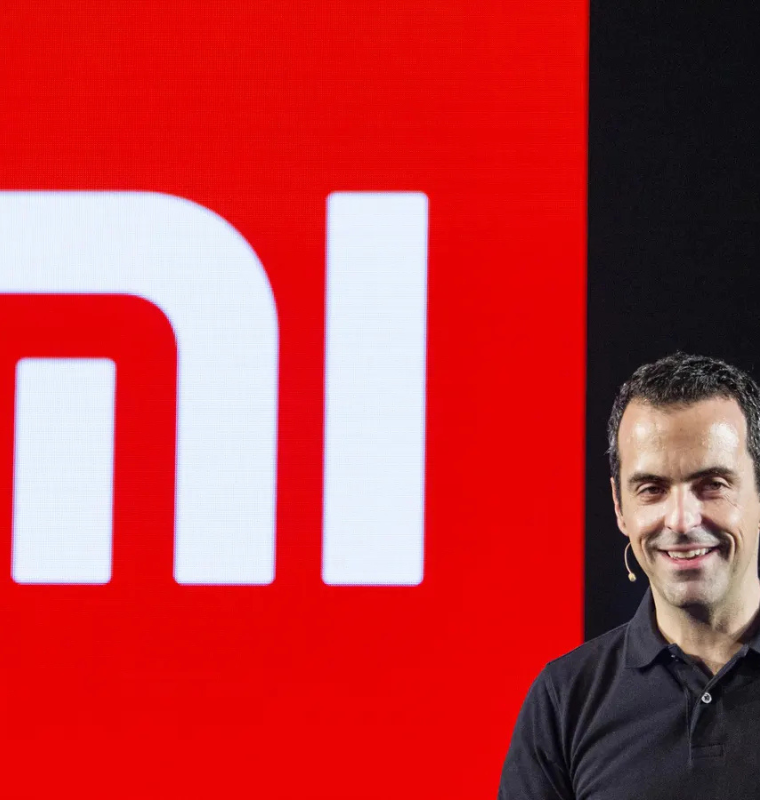
Gregory Beard, director of the Department of Energy’s Office of Energy Dominance Financing.
Courtesy: U.S. Department of Energy
Leadership Change at a Pivotal Moment for Energy Policy
The U.S. government’s primary energy financing arm has entered a new phase after Gregory Beard, a former senior executive at Apollo Global Management, assumed leadership of the Office of Energy Dominance Financing. The agency, which holds roughly $289 billion in total lending authority, is widely considered the largest public energy lender globally and plays a central role in supporting major infrastructure and technology projects.
Beard stepped into the role after serving as a senior adviser and brings decades of private-sector investment experience. His appointment comes at a time when surging electricity demand, geopolitical competition for resources, and the rapid growth of artificial intelligence are reshaping the U.S. energy landscape.
Strategic Reset and Portfolio Review
One of Beard’s first moves was a comprehensive review of loans issued in recent years to ensure alignment with current policy priorities. According to officials, the assessment covered more than 80% of the prior portfolio, representing about $83.6 billion in commitments.
The outcome included the cancellation or withdrawal of roughly $30 billion in conditional loans and the restructuring of an additional $50-plus billion, reflecting a shift toward projects focused on affordability, grid stability, and domestic resource development. The review process, Beard said, was aimed at protecting taxpayer capital while sharpening the agency’s mission.
How the Office Shapes Energy Markets
Founded in 2005 within the U.S. Department of Energy, the financing office has historically supported projects that struggle to secure funding through traditional capital markets due to scale or technology risk. Over two decades, it has backed landmark successes — including early support for Tesla — while also experiencing high-profile setbacks such as failed solar ventures.
The agency’s influence expanded dramatically during the previous administration, when staffing increased severalfold and available funding surged following major climate legislation. Today, the focus has broadened beyond emissions reduction to encompass six priority areas, including nuclear power, fossil fuels, critical minerals, geothermal energy, grid infrastructure, and advanced manufacturing.
Pipeline Activity and Lending Outlook
The reorganized office is currently evaluating around 80 active applications, spanning both new proposals and projects redesigned to meet updated criteria. Several loans tied to utilities and energy developers have already been finalized, but leadership indicates the pace of approvals is expected to accelerate significantly, with at least one large financing package anticipated to set a new record for the program.
Beard has emphasized that a substantial share of future funding will target electricity affordability, an increasingly urgent issue as U.S. power prices rise faster than headline inflation. Utilities face mounting capital needs to upgrade aging infrastructure, connect new generation, and accommodate load growth from data centers and electrification.
Rising Demand and Grid Reliability Challenges
Electricity consumption trends are shifting after years of relatively predictable growth. Demand is being driven by power-intensive AI computing, the reshoring of manufacturing, and broader electrification of transport and industry. At the same time, extreme weather events are placing additional stress on transmission networks, raising concerns about resilience.
To address these pressures, the administration has rolled out measures to maintain existing generation capacity and encourage new builds. The financing office is expected to play a critical role by supporting projects that extend plant lifespans, modernize infrastructure, and expand baseload supply.
Nuclear Energy Moves to the Center
Nuclear power has emerged as a cornerstone of the agency’s strategy. With capacity factors exceeding 90%, reactors provide continuous output that complements intermittent renewable sources. Federal policymakers have set ambitious long-term targets for expanding U.S. nuclear capacity, and the financing office is positioned to underwrite a significant share of project costs, potentially covering up to 80% of capital expenditures.
Recent and planned investments include funding to restart dormant reactors and support next-generation technologies such as small modular reactors. Interest from large technology firms seeking reliable, carbon-free electricity for data centers has further strengthened the sector’s outlook.
Securing Critical Minerals Supply Chains
Another priority is strengthening domestic supply chains for minerals essential to energy systems, electronics, and defense technologies. The initiative aims to reduce reliance on overseas processing and counter the dominance of foreign suppliers in rare earths and battery materials.
Through loans and guarantees, the office intends to support mining, refining, and processing projects across North America, potentially unlocking billions in private investment and accelerating the build-out of strategic industries.
Outlook for the Agency’s Role in U.S. Energy
With a streamlined structure and clearer mandate, the Office of Energy Dominance Financing is positioning itself as a central instrument of industrial and energy policy. Leadership expects lending activity to ramp up sharply, with capital deployed toward projects that expand supply, lower long-term costs, and strengthen national competitiveness.
As the U.S. navigates a period of rapid technological change and geopolitical competition, the agency’s decisions will likely influence not only which energy technologies scale, but also how quickly the country adapts to a more electrified and resource-constrained global economy.

Popular articles


Subscribe to unlock premium content
Africa’s Leap into Cashless Economies

The Rise of Livestream Shopping in Southeast Asia

The Niche Market for Upcycled Automotive Parts in Classic Car Restoration

Africa’s Leap into Cashless Economies
The Rise of Livestream Shopping in Southeast Asia
Africa’s Leap into Cashless Economies