Xi Jinping Heads to North Korea in High-Stakes Diplomatic Mission as China Moves to Reassert Influence Over Kim Jong Un

Xi Jinping Heads to North Korea in High-Stakes Diplomatic Mission as China Moves to Reassert Influence Over Kim Jong Un
By
David Goldfarb
Last updated:
June 8, 2026
First Published:
June 8, 2026

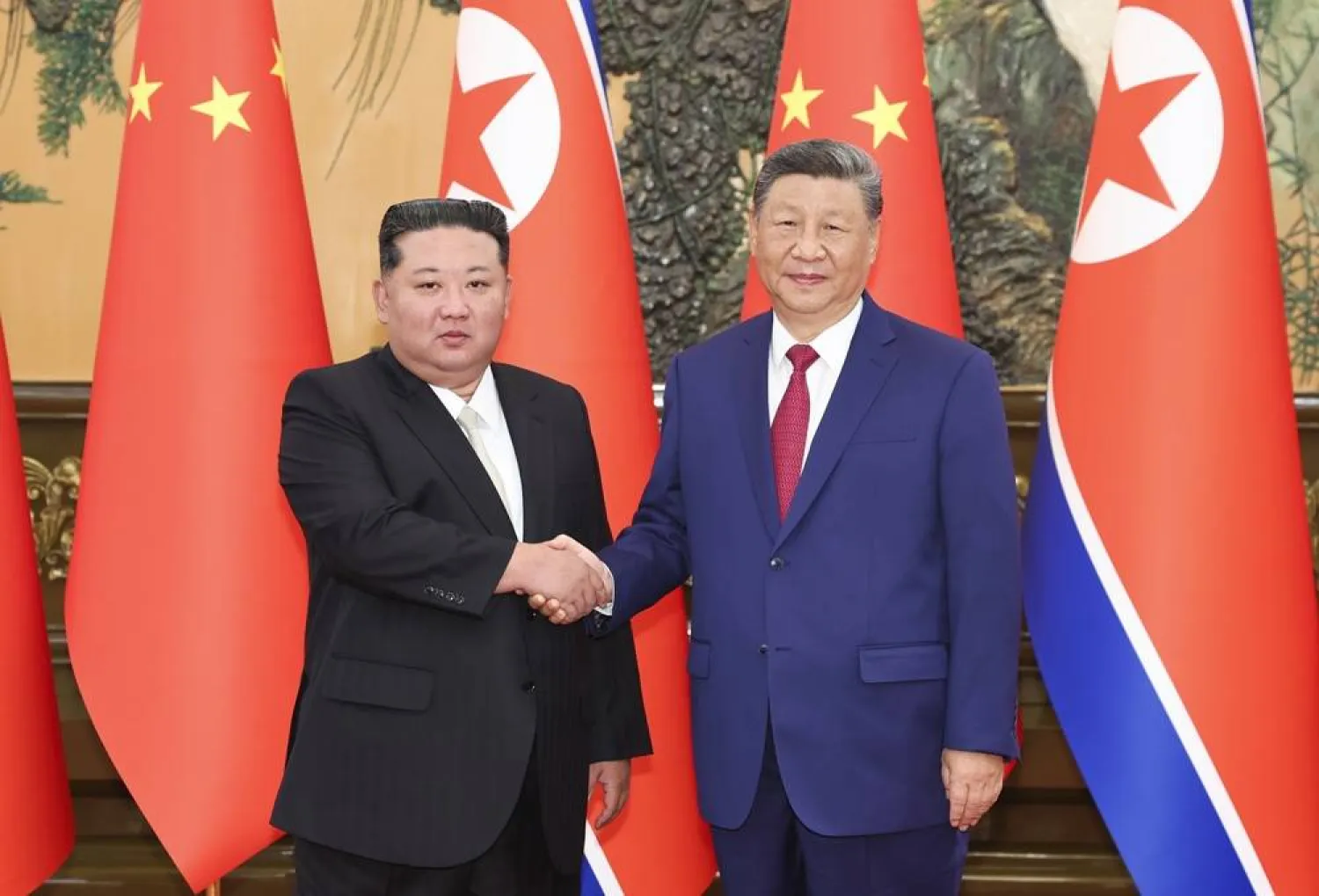
Chinese President Xi Jinping is set to begin a closely watched visit to North Korea on Monday, marking his first trip to Pyongyang in nearly seven years and his first overseas journey in months. The two-day summit with North Korean leader Kim Jong Un is expected to focus on strengthening bilateral ties, addressing regional security concerns, and reinforcing Beijing’s influence over a strategically important neighbor that has grown increasingly close to Russia.
The visit arrives at a critical moment in Northeast Asian geopolitics. Since Xi last traveled to Pyongyang in 2019, North Korea has significantly expanded its nuclear capabilities, strengthened military cooperation with Moscow, and improved parts of its economy despite ongoing international sanctions. Those developments have altered the balance of power between Beijing and Pyongyang and raised questions about China's ability to remain North Korea’s dominant external partner.
A Relationship Entering a New Phase
China and North Korea have maintained diplomatic relations since 1949, and Beijing remains Pyongyang’s largest trading partner and economic lifeline. However, the strategic landscape has shifted dramatically in recent years.
North Korea's growing partnership with Russia has given Kim Jong Un greater flexibility in foreign policy. Military cooperation between Moscow and Pyongyang has expanded significantly, particularly following Russia’s war in Ukraine. Reports indicate that North Korea has provided military support and personnel while receiving economic and technological assistance in return.
As a result, North Korea is no longer as dependent on China as it once was.
Analysts believe Xi's visit represents an effort to reinforce Beijing’s role as North Korea’s most important diplomatic and economic partner while preventing Russia from becoming the dominant external influence in Pyongyang.
For China, maintaining stability on the Korean Peninsula remains a major national security priority. Any deterioration in relations could create uncertainty along China's northeastern border and complicate Beijing's broader strategic objectives in Asia.
North Korea Enters Talks From a Stronger Position
Unlike previous summits, many experts believe Kim enters this meeting with significantly more bargaining power.
Over the past several years, North Korea has accelerated the development of its nuclear weapons program, tested advanced missile systems, and expanded uranium enrichment capabilities. The country has repeatedly stated that it considers itself a permanent nuclear weapons state and has shown little willingness to negotiate away its arsenal.
Just days before Xi's arrival, North Korea unveiled a new uranium enrichment facility and announced plans to expand its nuclear forces at what officials described as an "exponential" pace. The move was widely interpreted as a signal that Pyongyang intends to strengthen its negotiating position ahead of high-level diplomatic engagements.
Analysts expect North Korea to use the summit to seek additional economic cooperation, increased investment, and potentially a softer Chinese stance toward its nuclear ambitions.
While Beijing has historically opposed North Korea’s nuclear tests and supported United Nations sanctions, observers note that China's public position has become more nuanced in recent years as geopolitical tensions with the United States have intensified.
Beijing’s Strategic Goals
China enters the summit with several key objectives.
One of Beijing's primary priorities is likely to be ensuring North Korea remains aligned with Chinese regional interests. This includes maintaining support on issues involving Taiwan and countering what China sees as an increasingly assertive security posture from Japan and its allies.
Chinese officials have grown increasingly concerned about expanding military cooperation among the United States, South Korea, and Japan. Beijing views these partnerships as part of a broader effort to contain China's rise in the region.
By strengthening ties with Pyongyang, China can reinforce its influence in Northeast Asia and maintain strategic leverage in one of the world's most sensitive geopolitical hotspots.
Another important goal is reducing the risk of instability on the Korean Peninsula. Escalating military tensions, missile launches, and nuclear developments create uncertainty that could affect regional security and economic activity.
Russia’s Growing Presence Changes the Equation
A major factor shaping this summit is Russia's increasingly close relationship with North Korea.
Since the outbreak of the Ukraine conflict, Moscow and Pyongyang have expanded political, economic, and military cooperation. High-level meetings between Russian President Vladimir Putin and Kim Jong Un have become more frequent, and both countries have publicly emphasized their strategic partnership.
This growing relationship has created concerns in Beijing that Russia could gradually gain more influence over North Korean decision-making.
For China, which has historically served as North Korea’s primary diplomatic protector and economic supporter, such a shift would represent a significant geopolitical challenge.
Many analysts believe Xi's visit is partly intended to demonstrate that Beijing remains the most important external player in Pyongyang and intends to stay deeply involved in shaping developments on the Korean Peninsula.
Economic Cooperation Expected to Feature Prominently
Economic issues are expected to play a major role during the talks.
Despite years of sanctions, North Korea's economy has shown signs of stabilization through expanded trade with China and Russia. Cross-border commerce between China and North Korea has gradually recovered from pandemic-era disruptions, helping improve access to goods, industrial materials, and consumer products.
Pyongyang is likely to seek greater economic assistance, infrastructure support, energy cooperation, and expanded trade opportunities. Additional Chinese investment could help North Korea strengthen key sectors including transportation, manufacturing, mining, and agriculture.
For Beijing, economic engagement provides an effective tool for maintaining influence while encouraging stability along its border.
Could the Summit Open the Door to U.S.-North Korea Talks?
Some geopolitical observers believe Xi may also discuss the possibility of renewed diplomacy between North Korea and the United States.
President Donald Trump has repeatedly signaled interest in restarting dialogue with Kim Jong Un after their historic summits during his first term. However, North Korea has consistently maintained that any future negotiations would require Washington to abandon demands for complete denuclearization as a precondition.
Although no formal talks have been announced, the issue could emerge during discussions between Xi and Kim, particularly as regional powers look for ways to reduce tensions and prevent further military escalation.
South Korean officials have also expressed hope that the summit will contribute positively to regional stability and create opportunities for future diplomatic engagement.
Why This Visit Matters
Xi Jinping's decision to make North Korea the destination of one of his most significant foreign visits in years underscores the importance Beijing places on the relationship.
The trip comes at a time when geopolitical competition among China, the United States, Russia, Japan, and South Korea is intensifying across Asia. North Korea sits at the center of many of these strategic rivalries, giving Kim Jong Un increased diplomatic leverage and making Pyongyang a critical player in regional security calculations.
For China, the summit is an opportunity to reaffirm its influence, strengthen a long-standing alliance, and ensure that North Korea remains closely aligned with Beijing's broader strategic objectives.
For North Korea, it is a chance to secure economic benefits, strengthen diplomatic support, and further solidify its position as a nuclear-armed state with growing influence on the global stage.
As Xi and Kim meet in Pyongyang, the outcome of their discussions could shape the future of Northeast Asian diplomacy, regional security, and the balance of power among some of the world's most influential nations for years to come.
.webp)
Popular articles



Subscribe to unlock premium content
Zara’s Hyper-Fast Fashion Supply Chain Is Changing Global Retail

A Taste of Italy Redefined

Boutique Eco-Lodges in Costa Rica Redefining Ultra-Luxury Travel

Zara’s Hyper-Fast Fashion Supply Chain Is Changing Global Retail
A Taste of Italy Redefined
Zara’s Hyper-Fast Fashion Supply Chain Is Changing Global Retail
.png)