
Wegovy Pill Delivers Blockbuster Debut as Novo Nordisk Raises Outlook on Surging Demand

Wegovy Pill Delivers Blockbuster Debut as Novo Nordisk Raises Outlook on Surging Demand
By
David Goldfarb
Last updated:
May 6, 2026
First Published:
May 6, 2026

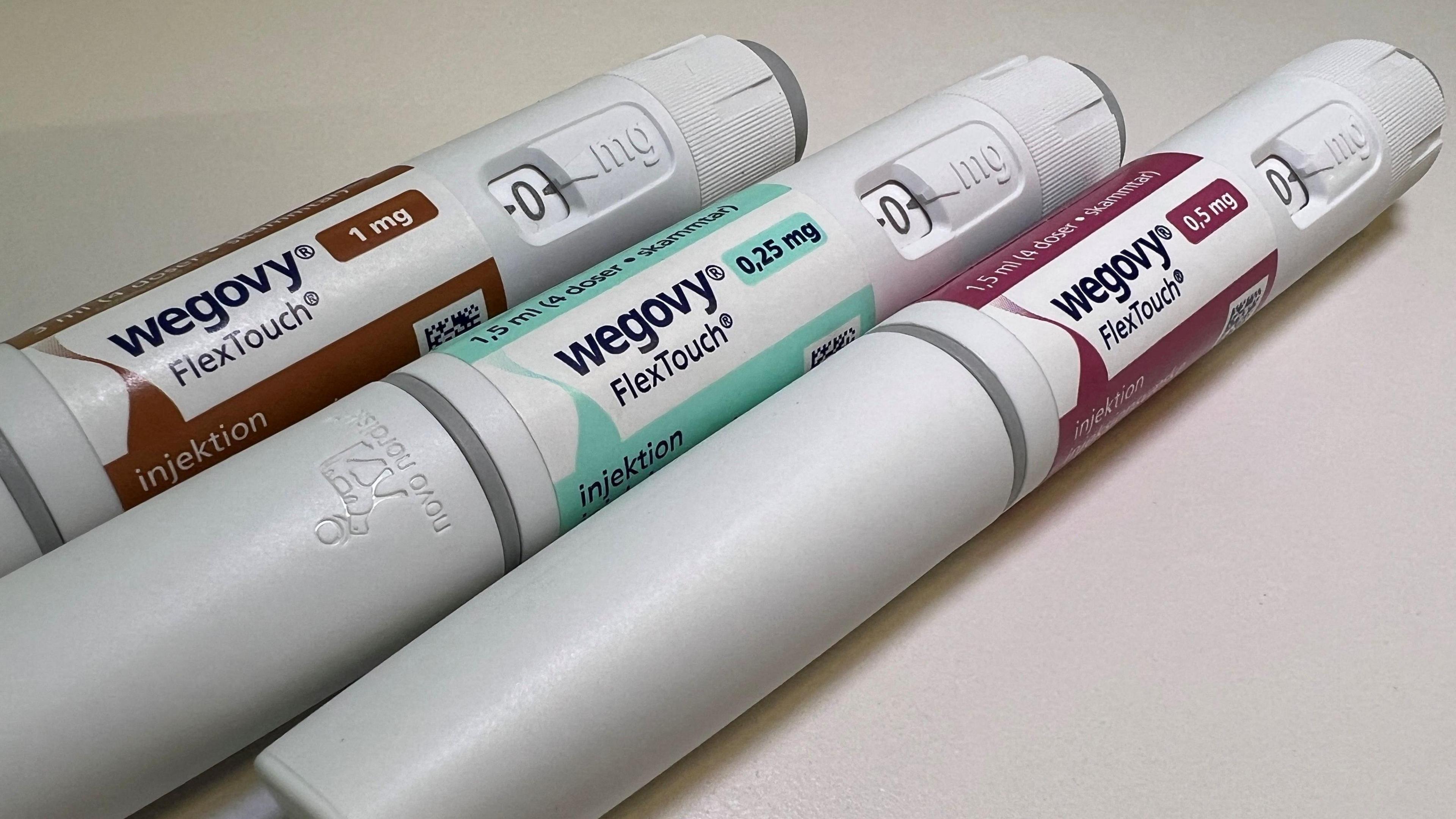
Photo: BBC
Novo Nordisk has delivered a powerful start to the year, exceeding market expectations and reinforcing its position in the fast-growing weight-loss drug market. The Danish pharmaceutical giant raised its full-year outlook after reporting stronger-than-anticipated demand for its GLP-1 treatments, particularly the newly launched oral version of Wegovy in the United States.
The company posted first-quarter revenue of 96.8 billion Danish kroner, equivalent to approximately $15.2 billion, marking a 32 percent increase on a constant currency basis. This significantly outpaced analyst expectations, which had projected sales closer to 71.3 billion kroner. Operating profit also surged, rising 65 percent year-on-year to 59.6 billion kroner, nearly doubling consensus estimates.
However, when adjusting for one-off items, the picture appears more nuanced. Adjusted sales declined by 4 percent, while operating profit fell by 6 percent. These figures exclude a $4.2 billion accounting impact linked to a reversal of provisions under the U.S. 340B Drug Pricing Program, which had previously weighed on earnings.
The standout driver of growth this quarter was the highly anticipated launch of the Wegovy pill in the U.S. market. In its first reporting period, the oral treatment generated 2.26 billion kroner in sales, nearly double analyst forecasts of 1.16 billion kroner. Prescription volume reached approximately 1.3 million within just three months, making it one of the most successful drug launches in the GLP-1 category to date.
While the pill currently represents a relatively small portion of total revenue, its strategic importance is significant. By offering a non-injectable option, Novo is expanding access to a broader patient population, including those hesitant to use injections. This shift is expected to accelerate adoption rates and widen the total addressable market.
The company’s established injectable treatments continue to perform strongly, though results were mixed relative to expectations. Sales of injectable Wegovy rose 12 percent year-on-year to 18.2 billion kroner but fell slightly short of analyst projections. Meanwhile, Ozempic, Novo’s flagship diabetes treatment, saw an 8 percent decline in sales, although it still exceeded market forecasts.
Across its obesity care portfolio, Novo reported a 22 percent increase in adjusted sales, underscoring the continued strength of demand for GLP-1 therapies. These drugs, which regulate appetite and blood sugar levels, have rapidly become one of the most lucrative segments in global pharmaceuticals.
Looking ahead, Novo Nordisk has revised its 2026 guidance, citing stronger expectations for GLP-1 sales. The company now anticipates adjusted sales and operating profit to decline in the range of 4 percent to 12 percent on a currency-adjusted basis, an improvement from previous projections. Management attributed this upgrade to the robust performance of Wegovy and sustained growth across international markets.
The competitive landscape remains intense. Novo is locked in a high-stakes battle with Eli Lilly, its primary rival in the obesity and diabetes drug space. Analysts estimate the global weight-loss drug market could exceed $100 billion by the end of the decade, making it one of the most contested areas in healthcare.
Eli Lilly has recently gained ground in the U.S. market, particularly with its injectable treatments Mounjaro and Zepbound, which reported sales growth of 125 percent and 80 percent respectively in the latest quarter. The company has also entered the oral treatment segment with its newly launched pill, Foundayo, although early prescription data suggests a slower rollout compared to Wegovy’s rapid uptake.
Industry executives have acknowledged that building momentum for new oral therapies takes time, especially when introducing entirely new compounds. In contrast, Novo’s Wegovy pill benefits from brand recognition and an established clinical profile, giving it an early advantage in the oral weight-loss segment.
Investor sentiment toward Novo Nordisk has improved following the successful launch, particularly after a challenging period marked by pipeline concerns and clinical setbacks. Questions had emerged around the company’s next-generation treatments, including CagriSema, which underperformed expectations in comparative studies earlier this year.
Despite these challenges, the strong commercial performance of Wegovy is helping to restore confidence. Analysts note that forecasting demand for GLP-1 drugs remains complex, as the category increasingly relies on direct-to-consumer channels and evolving patient preferences.
Another key uncertainty is how oral alternatives will impact demand for injectable treatments over time. While pills offer greater convenience, injections may still deliver stronger clinical outcomes in certain cases. Early trial data suggests that oral Wegovy produces meaningful weight loss, though direct comparisons with competing treatments are still limited.
For now, Novo Nordisk appears to have secured an early lead in the next phase of the weight-loss drug market. With strong earnings, rising prescriptions, and a growing global footprint, the company is well positioned to capitalize on one of the most transformative trends in modern healthcare.
.webp)
Popular articles



Subscribe to unlock premium content
How Palau’s Hidden Jellyfish Lakes Are Monetized as Ultra-Premium Adventure Destinations
.png)
When Art Meets Luxury: Louis Vuitton’s Explosive Collaborations
How Slovenia’s Cave Systems Are Monetized as High-End Adventure Tourism Spots

How Palau’s Hidden Jellyfish Lakes Are Monetized as Ultra-Premium Adventure Destinations
When Art Meets Luxury: Louis Vuitton’s Explosive Collaborations
How Palau’s Hidden Jellyfish Lakes Are Monetized as Ultra-Premium Adventure Destinations


