Aluminum Price Spike Squeezes Global Companies as Supply Disruptions Ripple Across Industries

Aluminum Price Spike Squeezes Global Companies as Supply Disruptions Ripple Across Industries
By
Rachel Steinberg
Last updated:
May 6, 2026
First Published:
May 6, 2026

A sharp surge in aluminum prices is sending shockwaves through global industries, raising costs for companies that rely heavily on the metal for production. From automotive manufacturing to beverage packaging, businesses are now navigating a volatile pricing environment driven by supply disruptions and rising energy costs.
Aluminum prices on the London Metal Exchange have climbed more than 13 percent since late February, when geopolitical tensions escalated in the Middle East. The metal is now up roughly 19 percent year-to-date, reaching levels not seen since 2022. This rapid increase reflects a tightening supply landscape at a time when global demand remains steady.
The الأزمة is closely tied to disruptions in key supply routes and production hubs. The Strait of Hormuz, a critical shipping corridor for commodities, has faced significant disruption, affecting the flow of aluminum exports from the Middle East. The region accounts for approximately 7 percent of global aluminum supply, and recent damage to production facilities has taken an estimated 3 percent of total output offline.
These constraints are amplifying an already tight market. Aluminum production is highly energy-intensive, relying heavily on electricity generated from natural gas and coal. As energy prices rise alongside geopolitical instability, production costs are increasing, adding another layer of upward pressure on prices.
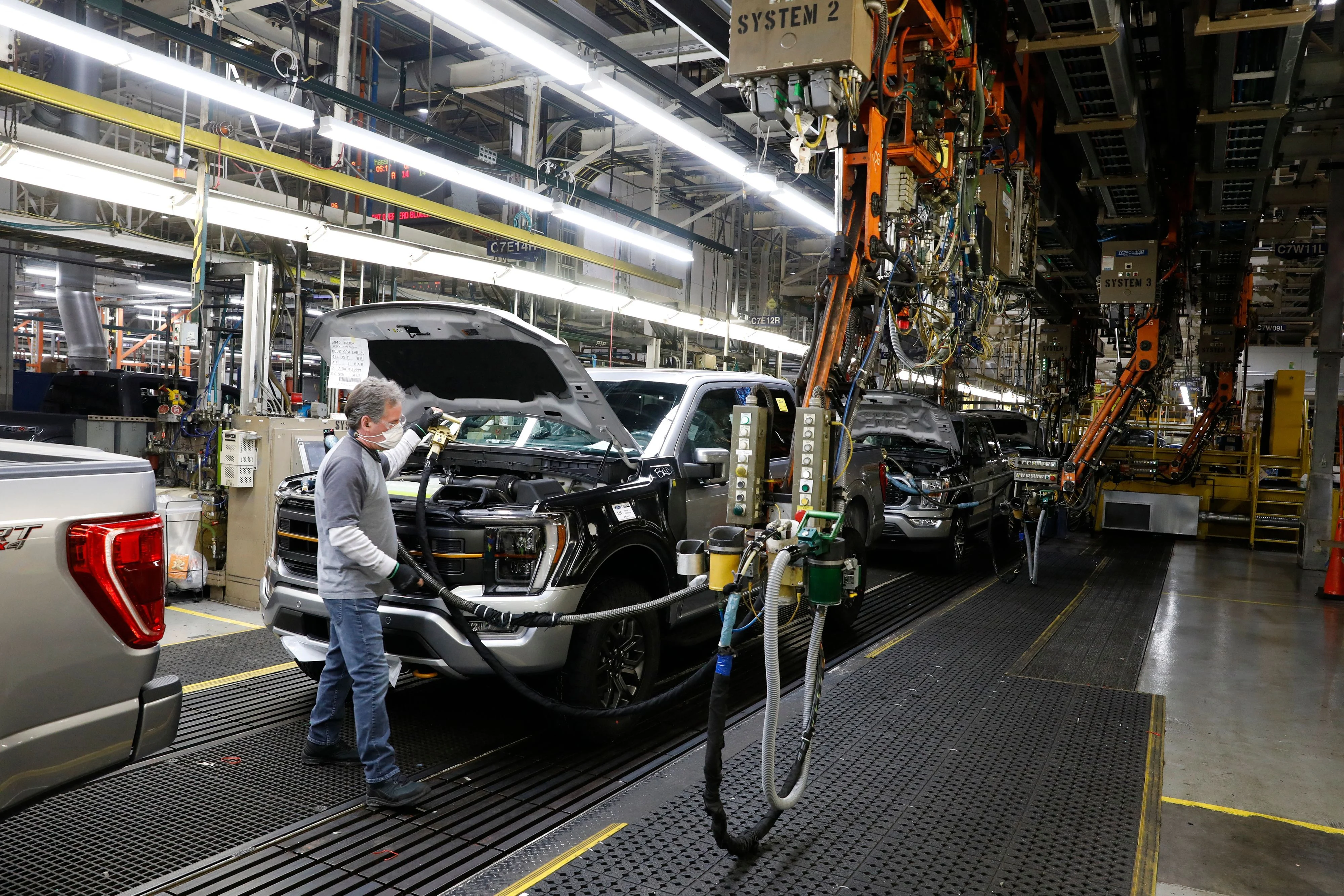
The impact is being felt across major industries. Automakers are among the most exposed, given aluminum’s critical role in vehicle manufacturing, particularly in lightweight designs aimed at improving fuel efficiency. Ford, for example, has flagged significant cost pressures, with commodity-related headwinds expected to exceed $2 billion. This estimate is roughly double previous projections, underscoring how quickly conditions have deteriorated.
The company has highlighted aluminum as a key variable affecting its outlook, especially for high-volume models like the F-150 pickup truck. While some exposure has been hedged, ongoing volatility makes it difficult to forecast costs beyond the near term. Investors have taken notice, with Ford’s stock declining sharply in recent months even as broader markets have moved higher.
The beverage industry is also under pressure. Molson Coors reported that higher aluminum costs added approximately $30 million to its cost of goods sold in the first quarter alone. As one of the largest users of aluminum cans, the company is particularly sensitive to price fluctuations and expects further cost increases in the coming months.
Similarly, Keurig Dr Pepper has identified aluminum as a major contributor to rising input costs. The company has indicated that if elevated prices persist, it will need to implement mitigation strategies, potentially including pricing adjustments, cost optimization, or supply chain changes to protect margins.
For consumer goods companies, the challenge is balancing cost increases with pricing power. Passing higher costs on to consumers risks weakening demand, especially in an environment where inflationary pressures are already affecting household budgets. As a result, many firms are exploring a combination of efficiency improvements and selective price increases to maintain profitability.
Market analysts do not expect immediate relief. Supply growth for aluminum is projected to remain constrained, with forecasts suggesting an increase of just 0.3 percent in 2026, significantly lower than earlier expectations of 2.4 percent. Limited capacity expansion, particularly in Europe, combined with ongoing geopolitical risks, is likely to keep the market tight.
Energy dynamics further complicate the outlook. Aluminum smelting requires large and stable energy inputs, making production costs highly sensitive to fluctuations in fuel prices. With natural gas and coal prices elevated due to global tensions, the cost base for aluminum producers continues to rise, reinforcing upward pressure on the metal’s price.
The broader implication is that aluminum is no longer just a commodity story but a reflection of interconnected global risks. Supply chain disruptions, energy markets, and geopolitical developments are all converging to shape pricing trends.
For businesses, this environment demands greater flexibility and strategic planning. Companies with strong hedging strategies, diversified supply chains, and pricing power are better positioned to navigate the volatility. Others may face margin compression and increased financial strain if conditions persist.
As the market adjusts to these new realities, aluminum prices are likely to remain a key variable influencing corporate performance across multiple sectors. The current situation highlights how quickly external shocks can ripple through global supply chains, reshaping cost structures and business strategies alike.
.webp)
Popular articles



Subscribe to unlock premium content
How Palau’s Hidden Jellyfish Lakes Are Monetized as Ultra-Premium Adventure Destinations
.png)
When Art Meets Luxury: Louis Vuitton’s Explosive Collaborations
How Slovenia’s Cave Systems Are Monetized as High-End Adventure Tourism Spots

How Palau’s Hidden Jellyfish Lakes Are Monetized as Ultra-Premium Adventure Destinations
When Art Meets Luxury: Louis Vuitton’s Explosive Collaborations
How Palau’s Hidden Jellyfish Lakes Are Monetized as Ultra-Premium Adventure Destinations