Waymo Taps Gig Workers to Keep Robotaxis Moving

Waymo Taps Gig Workers to Keep Robotaxis Moving
By
Leah Rosenfeld
Last updated:
February 13, 2026
First Published:
February 13, 2026

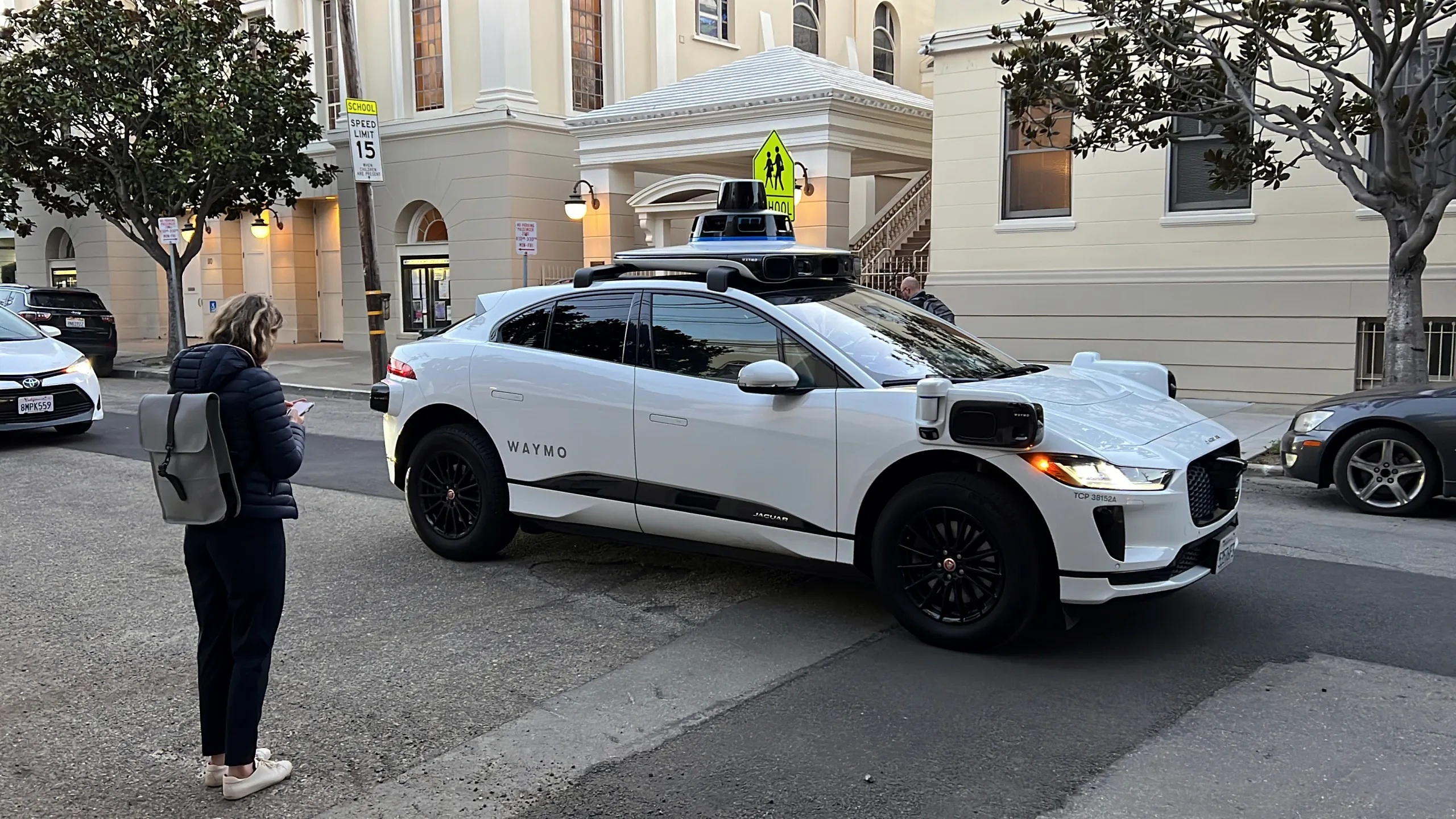
Photo: Tekedia
Self-driving cars may not need human drivers, but they still need human help.
Waymo, the autonomous vehicle company owned by Alphabet, has launched a pilot program in Atlanta that pays gig workers to physically close robotaxi doors left open by passengers. The initiative highlights a practical reality of autonomous mobility: even advanced AI systems can be stalled by something as simple as an unlatched door.
Under the program, delivery drivers working through DoorDash receive notifications when a nearby Waymo vehicle is stuck because a rider exited without fully shutting the door. Workers can earn small payments for walking over and closing it, allowing the vehicle to resume service.
Why an Open Door Stops a Self-Driving Car
Waymo’s vehicles are fully autonomous, operating without a human behind the wheel. However, safety protocols prevent the car from moving if a door remains ajar. Until someone physically closes it, the robotaxi remains stationary.
In dense urban areas where fleet utilization is critical, even a short delay can reduce operational efficiency. Each inactive vehicle represents lost ride revenue and potential service disruption.
A screenshot shared on social media showed a DoorDash driver being offered $11.25 to close a nearby Waymo door in Atlanta. In Los Angeles, users of roadside assistance platform Honk have reportedly been offered as much as $24 for similar tasks.
Waymo and DoorDash confirmed the pilot, describing it as an experimental way to create flexible earning opportunities for gig workers while keeping robotaxis circulating more quickly.
Human Intervention in an Autonomous Era
The door-closing program underscores a broader industry truth: autonomous vehicles still rely on human support systems. From remote monitoring teams to in-person maintenance contractors, people remain embedded in the operating model of self-driving fleets.
Waymo, valued at approximately $126 billion in its most recent funding round, is a centerpiece of Alphabet’s “Other Bets” division. That segment focuses on moonshot projects spanning transportation, health technology, and advanced AI applications.
However, the financial commitment is substantial. Alphabet recently disclosed that its Other Bets segment recorded a $7.5 billion operating loss last year, including $2.1 billion in stock-based compensation at Waymo alone. Scaling robotaxi networks across major U.S. cities requires billions in capital expenditures, fleet deployment costs, regulatory compliance, and infrastructure support.
Programs like the gig-based door-closing pilot illustrate how operational gaps — even minor ones — can introduce unexpected expenses.
Expansion Plans and Competitive Pressure
Waymo currently operates commercial autonomous ride-hailing services in six U.S. markets, including cities such as Phoenix, San Francisco, and Los Angeles. The company has announced plans to expand into additional metropolitan areas this year, intensifying competition in the rapidly evolving robotaxi sector.
On the same day the pilot program drew attention, Waymo began deploying its next-generation robotaxi platform, featuring upgraded sensors, improved onboard computing, and enhanced safety systems.
As it scales, fleet uptime becomes increasingly important. A vehicle immobilized by an open door, even briefly, reduces overall ride throughput and fleet efficiency metrics — both critical to improving margins in an industry where profitability remains elusive.
Automation Still Has Edge Cases
Waymo has indicated that future vehicles will include automated door-closing capabilities, though no specific timeline has been provided. Such a feature would eliminate the need for gig-based interventions and further reduce human dependency.
Until then, the company is balancing technological advancement with practical stopgap measures.
The situation reflects a broader pattern across emerging AI-driven industries: edge cases — small, seemingly mundane issues — can expose limitations in otherwise sophisticated systems. While autonomous vehicles can navigate complex traffic scenarios using lidar, radar, and advanced machine learning models, they can still be grounded by a door left half-open.
The Bigger Picture for Autonomous Mobility
The use of gig workers to support robotaxis reveals the hybrid nature of today’s automation economy. Even as companies promote fully driverless systems, human labor continues to fill operational gaps behind the scenes.
For investors and industry observers, the episode serves as a reminder that scaling autonomous transportation is not solely a technological challenge. It is also a logistical and economic one.
Waymo’s expansion strategy depends on increasing fleet density, improving utilization rates, and reducing friction points that disrupt service. Whether temporary human interventions remain part of that equation — or are engineered away through hardware upgrades — will shape the path toward sustainable robotaxi economics.
In the meantime, the future of driverless transportation may still rely on someone willing to walk over and shut a door.

Popular articles


Subscribe to unlock premium content
The New Wave of Superyacht Ownership

Micro-Experience Convenience Stores Are Reinventing Quick Stops

Custom Vans for Digital Nomads Redefine Mobility

The New Wave of Superyacht Ownership
Micro-Experience Convenience Stores Are Reinventing Quick Stops
The New Wave of Superyacht Ownership