Waymo Seeks Fresh Capital at Valuation Up to $110 Billion as Robotaxi Expansion Accelerates

Waymo Seeks Fresh Capital at Valuation Up to $110 Billion as Robotaxi Expansion Accelerates
By
Rachel Steinberg
Last updated:
December 17, 2025
First Published:
December 17, 2025

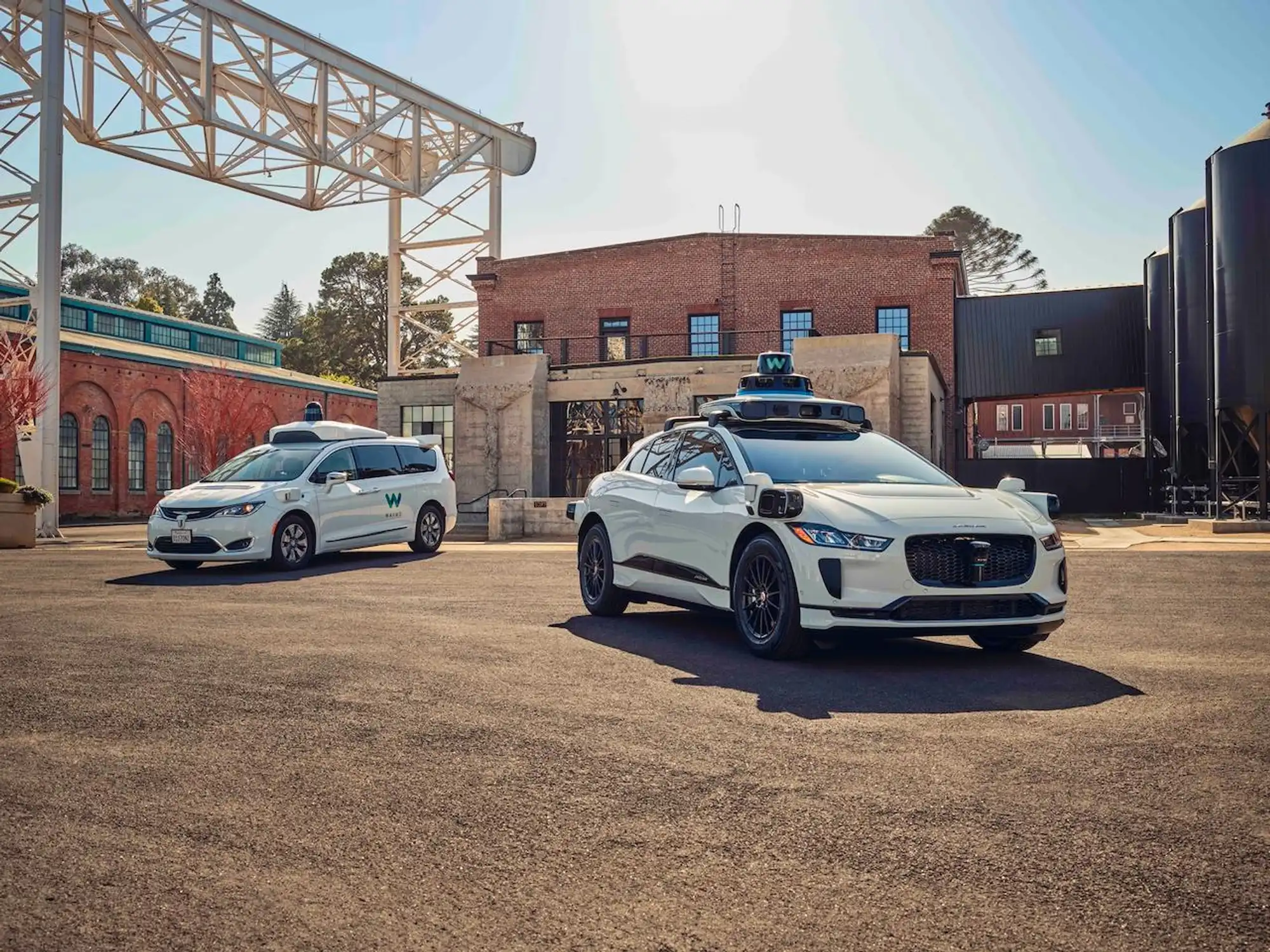
Photo: dot.LA
Funding Talks Signal a New Phase of Growth
Waymo, the self-driving vehicle subsidiary of Alphabet, is in discussions to raise more than $15 billion in a new funding round that could value the company at as much as $110 billion. The proposed raise would mark a significant step up from its previous financing and reflects growing confidence in Waymo’s commercial progress as the U.S. robotaxi market begins to take shape.
According to people familiar with the matter, the funding is expected to come from a combination of Alphabet and external investors. While the talks remain ongoing and terms are not finalized, the scale of the potential investment underscores Waymo’s position as the clear front runner in autonomous ride-hailing.
More Than Double the Last Valuation
If completed at the upper end of discussions, the new round would more than double Waymo’s valuation from its most recent fundraising. In October 2024, the company closed a $5.6 billion Series C round that valued it at approximately $45 billion. Alphabet committed $5 billion to Waymo as part of a multiyear investment plan at the time.
That round was led by Alphabet and included participation from prominent investors such as Andreessen Horowitz, Fidelity, Silver Lake, Tiger Global, Perry Creek, and T. Rowe Price. Waymo’s leadership said the capital would be used primarily to scale its robotaxi fleet and accelerate geographic expansion.
A $15 billion raise would bring Waymo’s total funding to one of the highest levels ever seen for a private mobility technology company.
Rapid Expansion Across the U.S. and Beyond
Waymo has been aggressively expanding its footprint as it transitions from pilot programs to full commercial operations. The company is currently offering paid, fully driverless rides to the public in several major U.S. markets, including the San Francisco Bay Area, Phoenix, Los Angeles, Austin, and Atlanta.
Beyond its existing services, Waymo is either testing vehicles, preparing launches, or actively operating in a total of 26 markets across the United States and internationally. The company plans to roll out robotaxi services next year in Dallas, Denver, Detroit, Houston, Las Vegas, Miami, Nashville, Orlando, San Antonio, San Diego, and Washington, D.C.
Looking further ahead, Waymo has confirmed plans to launch in London in 2026, marking its first commercial deployment outside the United States.
Strong Usage Metrics and Revenue Momentum
Waymo’s expansion is being supported by rapidly growing ride volumes. Earlier this month, the company was reported to be handling an estimated 450,000 paid rides per week. In December, Waymo disclosed that it had completed roughly 14 million trips during 2025 alone.
That pace puts the company on track to surpass 20 million cumulative trips since launching its service in 2020, a milestone that few autonomous vehicle operators have approached. These usage metrics are increasingly important as investors look for signs that robotaxis can evolve from experimental technology into a scalable, revenue-generating business.
Alphabet CEO Sundar Pichai has said Waymo is expected to begin contributing “meaningfully” to Alphabet’s financial results as early as 2027, reinforcing the strategic importance of the unit within the broader Google ecosystem.
Competitive Landscape Is Heating Up
Waymo’s fundraising discussions come as competition in the autonomous vehicle space intensifies. Amazon-owned Zoox has started offering free driverless rides to the public in select areas, including parts of the Las Vegas Strip and neighborhoods in San Francisco, as it builds awareness and gathers data.
Tesla has also entered the robotaxi conversation, launching a Robotaxi-branded service in Austin and the San Francisco Bay Area. However, as of mid-December, Tesla’s vehicles still required human drivers or safety supervisors, highlighting a key distinction from Waymo’s fully autonomous operations.
Despite the growing field, Waymo remains widely viewed as the most advanced operator in terms of safety data, regulatory approvals, and real-world deployment at scale.
What the Funding Could Unlock
A funding round of this magnitude would give Waymo substantial financial firepower to accelerate vehicle production, invest further in artificial intelligence and sensor technology, and deepen partnerships with automakers and cities. It would also provide a buffer against the high capital costs associated with fleet ownership, maintenance, and regulatory compliance.
More broadly, the talks reflect a shift in investor sentiment toward autonomous driving. After years of skepticism, the focus is increasingly moving toward companies that can demonstrate real customers, repeat usage, and a credible path to profitability.
For Waymo, a successful $15 billion raise would not only validate its technological lead but also position it as the defining player in the next phase of autonomous urban transportation.

Popular articles


Subscribe to unlock premium content
The New Wave of Superyacht Ownership

Micro-Experience Convenience Stores Are Reinventing Quick Stops
Custom Vans for Digital Nomads Redefine Mobility
The New Wave of Superyacht Ownership
Micro-Experience Convenience Stores Are Reinventing Quick Stops
The New Wave of Superyacht Ownership