Warby Parker: Redefining the Way We Buy Glasses
By
Alina Sinclair
Last updated:
December 25, 2025
First Published:
December 25, 2025

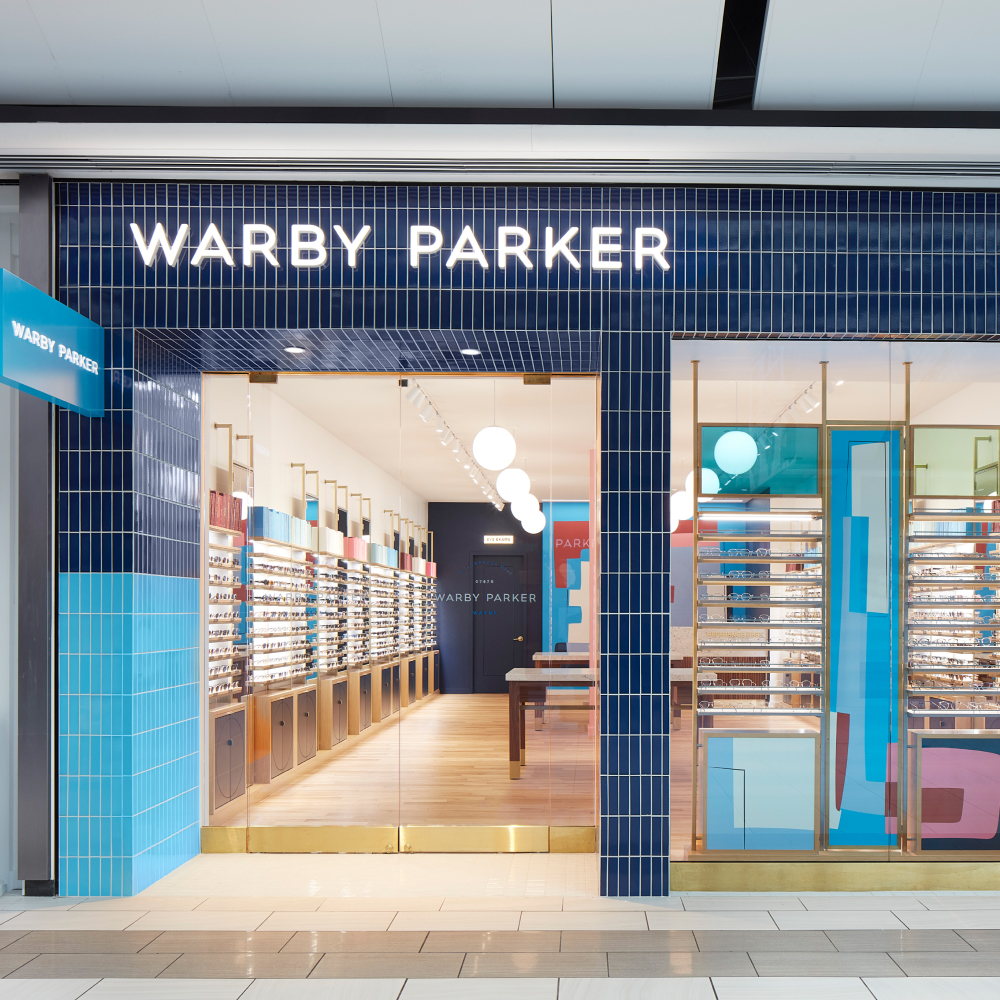
The Problem with Traditional Eyewear
Before Warby Parker, buying glasses was frustrating, expensive, and uninspiring. Prescription frames often cost $500 or more, and stores offered limited choices. Customers were stuck between overpriced products and a slow, impersonal shopping experience. The market was dominated by a few big players, leaving little room for innovation.
A Bold Idea Changes Everything
In 2010, Warby Parker launched with a simple but revolutionary goal: make eyewear affordable, stylish, and convenient. By cutting out middlemen and selling directly to customers online, they could offer high-quality frames at a fraction of the traditional cost.
Home Try-On: A Personal Touch
Warby Parker introduced the Home Try-On program, allowing customers to pick five frames to try at home for free. This innovation made shopping interactive and fun, giving buyers confidence and control in choosing their perfect pair.
Style Meets Purpose
The startup didn’t stop at affordability. They offered modern, fashionable designs and launched a social mission: for every pair sold, a pair is donated to someone in need through the Buy a Pair, Give a Pair initiative. Customers weren’t just buying glasses—they were joining a movement.
Growth Through Innovation
Millions embraced the brand for its unique combination of style, price, and purpose. Warby Parker expanded to physical retail stores while keeping its online-first approach. Their strategy became a blueprint for direct-to-consumer startups, showing that innovation and customer focus can drive extraordinary growth.
Lessons for Aspiring Entrepreneurs
Warby Parker’s story offers key takeaways:
- Solve real problems your customers face.
- Make the experience personal and enjoyable.
- Combine profit with purpose to build loyalty.
- Don’t be afraid to break industry norms.
Warby Parker didn’t just sell glasses—they created a new way to shop, blending convenience, style, and social impact.
.webp)
Popular articles



Subscribe to unlock premium content
How a Small Italian Leather Workshop Became a Favorite Among Luxury Designers
Why Collecting Rare Artisanal Teas Has Become a Multi-Million-Dollar Hobby

Switzerland’s Secret to Exceptional Peacefulness

How a Small Italian Leather Workshop Became a Favorite Among Luxury Designers
Why Collecting Rare Artisanal Teas Has Become a Multi-Million-Dollar Hobby
How a Small Italian Leather Workshop Became a Favorite Among Luxury Designers