Walmart Prepares to Roll Out Digital Shelf Labels Nationwide by End of 2026

Walmart Prepares to Roll Out Digital Shelf Labels Nationwide by End of 2026
By
Rachel Steinberg
Last updated:
March 26, 2026
First Published:
April 25, 2026

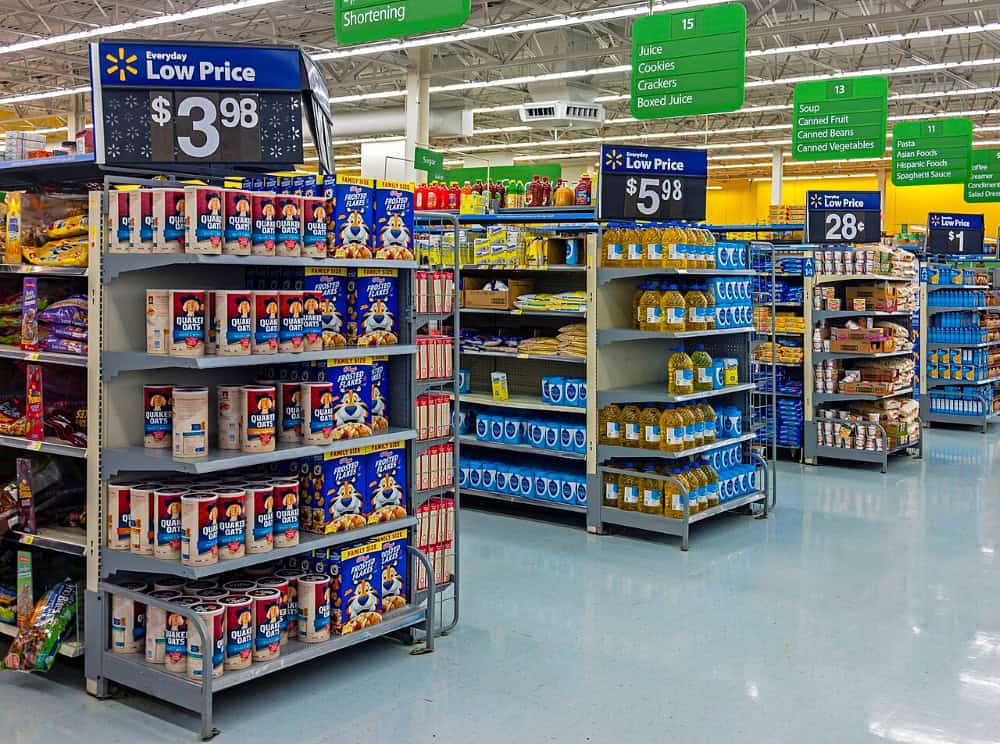
Photo: geekspin
Walmart is set to transform grocery shopping in the U.S. with the full rollout of digital shelf labels (DSLs) in all stores by the end of 2026. Following experiments by Kroger, the technology is being positioned as a tool to improve operational efficiency and customer experience, while ensuring consistent pricing across locations.
The digital labels replace traditional paper tags, allowing store associates to update prices instantly. Amanda Bailey, an electronics team leader at a Walmart in West Chester, Ohio, said DSLs have reduced pricing duties by 75%, freeing staff to focus on customer service. Spark delivery drivers also benefit, as DSLs flash to indicate item locations, improving order accuracy and speed.
Retail consultants note that DSLs can reassure shoppers with clear, accurate pricing, aligning in-store prices with weekly promotions and online listings. Scott Benedict, a former Walmart and Sam’s Club executive, emphasized that while dynamic pricing fears exist, the main purpose is operational efficiency rather than sudden price hikes. Similarly, Kroger has highlighted that DSLs improve accuracy, reduce paper waste, and allow employees to dedicate more time to customer engagement.
Concerns About Dynamic Pricing
Despite operational benefits, DSLs have drawn scrutiny from lawmakers concerned about potential surge pricing. Senators Ben Ray Luján and Jeff Merkley introduced the Stop Price Gouging in Grocery Stores Act, targeting DSLs in large stores over 10,000 square feet, including Walmart Super Centers and most Trader Joe’s locations. House legislation from Rep. Val Hoyle also seeks a ban, citing risks of targeted price manipulation if left unregulated.
Industry experts argue that fears may be overstated. Sean Turner, CTO of Swiftly, said DSLs primarily address inefficiencies, such as quick price adjustments for seasonal items, markdowns, and synchronization between online and in-store promotions. “For consumers, the biggest benefit is accuracy and consistency,” he said, noting that properly managed DSLs can also reduce food waste and improve markdown timing.
Adoption and Outlook
Digital shelf labeling is becoming increasingly common across retail sectors, following trends in airlines, entertainment, and rideshare pricing. Walmart has engaged legislators to reassure them that DSLs are meant to enhance service, not exploit shoppers. The United Food and Commercial Workers International Union has opposed the rollout, while the National Retail Federation supports it, citing legal safeguards against price gouging.
Several states, including Pennsylvania and New York, have introduced legislation addressing algorithmic and dynamic pricing practices. Industry leaders note that clear communication and predictable guardrails will be key to consumer acceptance. Amanda Mosseri Oren from Relex highlighted that when digital pricing is transparent and serves shopper interests, it builds trust; when opaque or arbitrary, backlash is likely.
Walmart’s nationwide DSL rollout signals a major shift in grocery retail, blending technological innovation with the need for consumer protection. By the end of 2026, the familiar paper price tag could be a relic, replaced by a digital system designed to enhance accuracy, efficiency, and consistency — provided lawmakers, retailers, and shoppers navigate the transition carefully.
.webp)
Popular articles



Subscribe to unlock premium content
Living History Like Never Before

Capturing the Night Like Never Before

Transforming Small Spaces Into Personal Sanctuaries

Living History Like Never Before
Capturing the Night Like Never Before
Living History Like Never Before