Uber — The Startup That Transformed Global Transportation
By
Augusta Parker
Last updated:
May 13, 2026
First Published:
May 13, 2026

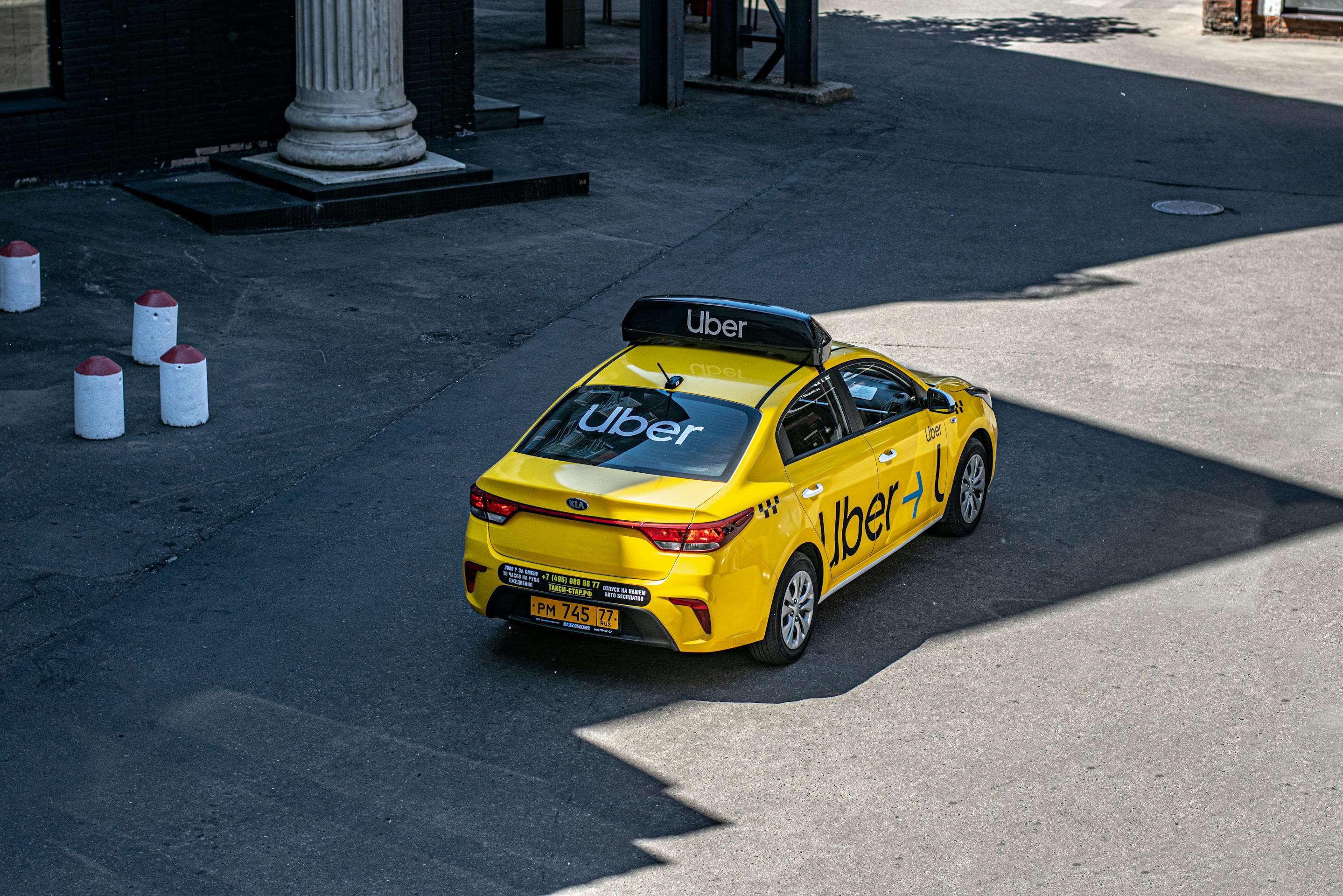
Uber – Reinventing Urban Mobility
Founded in 2009, Uber is a San Francisco-based technology startup that revolutionized the transportation industry through ride-hailing services powered by a mobile app. The platform connects passengers with drivers in real time, offering a faster and more convenient alternative to traditional taxis.
Uber’s mission is to “reimagine the way the world moves for the better.” Over time, the company expanded beyond ride-sharing into food delivery, freight logistics, and autonomous vehicle technology, becoming one of the largest mobility platforms globally.
Founding Story
Uber was founded by Travis Kalanick and Garrett Camp after the two entrepreneurs struggled to find a taxi during a snowy night in Paris in 2008. They imagined a simple solution: tap a button on a smartphone and instantly get a ride.
Originally launched as “UberCab,” the startup began with a small fleet of black luxury cars in San Francisco. Early users loved the convenience, cashless payments, and app-based booking system.
Travis Kalanick, known for his aggressive growth mindset, pushed Uber into rapid expansion mode. Garrett Camp focused heavily on product design and user experience. Together, they built a platform that challenged the traditional taxi industry worldwide.
Funding and Growth Milestones
Uber experienced one of the fastest growth trajectories in startup history:
- 2009: UberCab officially launched in San Francisco with seed funding of approximately $200,000.
- 2010: Raised $1.25 million from investors including First Round Capital.
- 2011: Expanded internationally to Paris and raised $11 million in Series A funding.
- 2013: Entered more than 100 cities globally and secured $258 million from Google Ventures.
- 2014: Valuation surged past $17 billion, making Uber one of Silicon Valley’s fastest-growing startups.
- 2016: Operated in over 70 countries with millions of rides per day.
- 2019: Went public on the New York Stock Exchange in one of the largest tech IPOs of the decade.
- 2023: Uber reported over $37 billion in annual revenue, driven by ride-sharing, Uber Eats, and logistics services.
Uber became a symbol of Silicon Valley disruption and aggressive startup scaling.
Business Model and Technology
Uber combines mobile technology, mapping systems, and flexible labor networks:
- Ride-Hailing Platform: Users request rides through the Uber app while nearby drivers accept trips.
- Dynamic Pricing: AI-powered surge pricing adjusts fares based on demand and supply.
- Multiple Services: UberX, Uber Black, Uber Pool, Uber Eats, and Uber Freight diversify revenue streams.
- Revenue Streams: Ride commissions, delivery fees, subscription programs, and logistics services.
- Technology Infrastructure: GPS tracking, route optimization, AI demand forecasting, and digital payments power the platform.
Uber’s scalable marketplace model allowed rapid global expansion with relatively low infrastructure ownership.
Market Impact
Uber dramatically changed transportation and consumer behavior worldwide:
- Convenience Revolution: Made ride-booking fast, cashless, and app-driven.
- Gig Economy Expansion: Popularized flexible work opportunities for millions of drivers globally.
- Taxi Industry Disruption: Forced traditional taxi services to modernize and adopt apps.
- Food Delivery Growth: Uber Eats became one of the largest food delivery platforms globally.
- Urban Mobility Innovation: Inspired an entire generation of mobility startups including Lyft, Bolt, Grab, and Ola.
The company transformed how people think about transportation, delivery, and on-demand services.
Challenges and Controversies
Uber’s rise has also been marked by significant controversy:
- Regulatory Battles: Faced legal challenges and bans in multiple cities over licensing and labor laws.
- Driver Classification: Debates over whether drivers should be treated as employees or independent contractors.
- Corporate Culture Issues: Allegations of toxic workplace culture led to leadership criticism and internal restructuring.
- Competition: Intense rivalry with Lyft, Grab, Didi, and Bolt in global markets.
In 2017, Travis Kalanick stepped down as CEO amid investor pressure and corporate governance concerns. Dara Khosrowshahi later took over leadership, focusing on profitability, safety, and rebuilding the company’s public image.
Future Outlook
Uber continues to evolve beyond ride-sharing:
- Autonomous Vehicles: Investing in self-driving technologies and partnerships.
- Delivery Expansion: Strengthening Uber Eats and grocery delivery operations.
- Electric Mobility: Encouraging EV adoption among drivers to reduce emissions.
- Global Logistics: Expanding Uber Freight for trucking and supply chain management.
- Subscription Ecosystem: Building recurring revenue through Uber One membership programs.
Uber aims to position itself as a complete mobility and logistics ecosystem rather than just a ride-hailing company.
From a simple idea born during a cold night in Paris to one of the world’s most influential technology companies, Uber transformed transportation through innovation, convenience, and aggressive scaling. Travis Kalanick and Garrett Camp disrupted a centuries-old industry, reshaped urban mobility, and helped create the modern gig economy. Uber’s story remains one of the most important startup success stories of the digital era.
.webp)
Popular articles



Subscribe to unlock premium content
Living History Like Never Before

Capturing the Night Like Never Before

Transforming Small Spaces Into Personal Sanctuaries

Living History Like Never Before
Capturing the Night Like Never Before
Living History Like Never Before