United Airlines Raises Checked Bag Fees as Soaring Fuel Costs Hit Travelers

United Airlines Raises Checked Bag Fees as Soaring Fuel Costs Hit Travelers
By
Leah Rosenfeld
Last updated:
April 3, 2026
First Published:
April 3, 2026

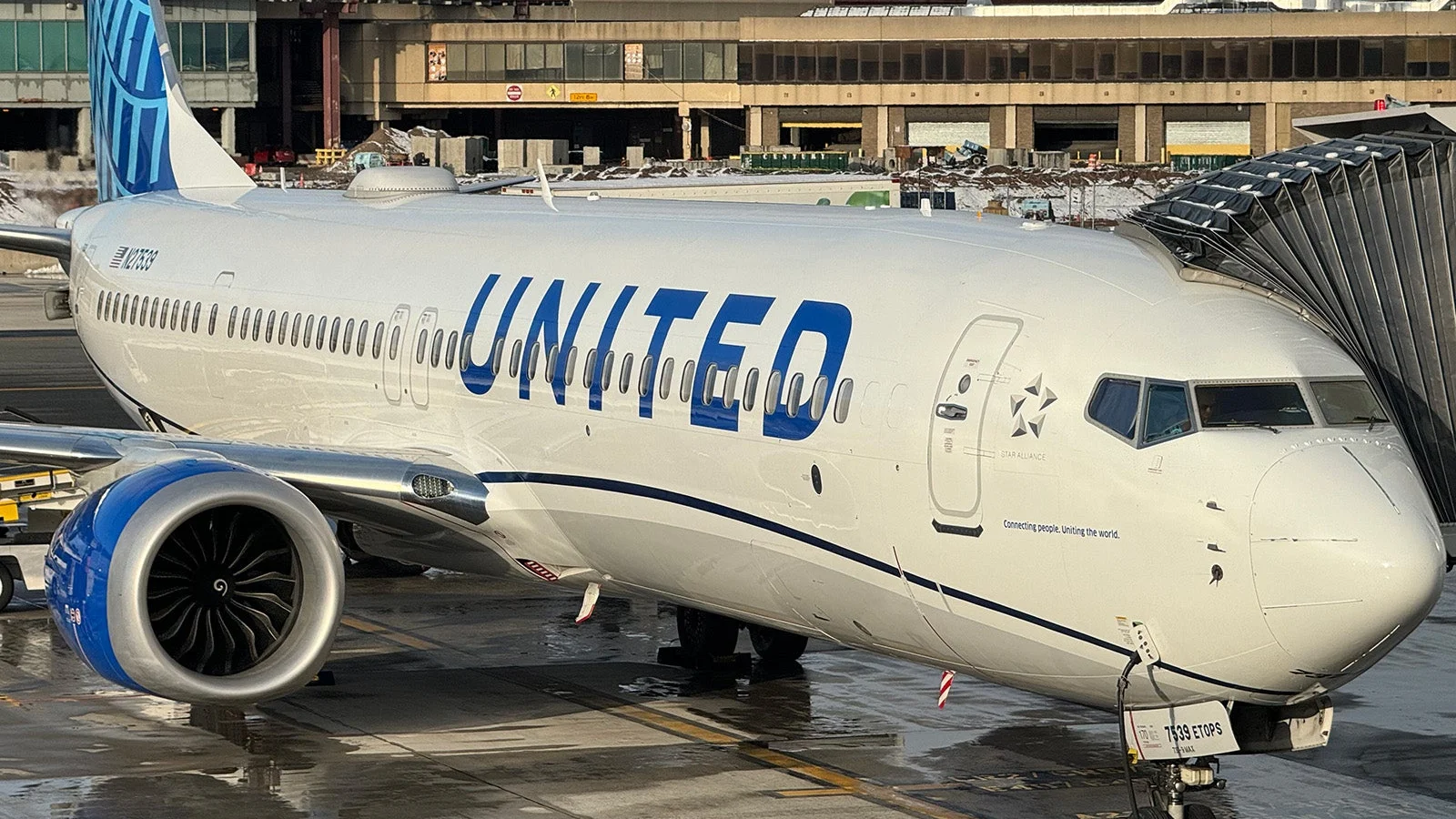
Photo: The Points Guy
United Airlines has increased its checked baggage fees, becoming the latest major carrier to pass rising operational costs onto travelers as fuel prices surge globally. The move reflects a broader trend across the airline industry, where escalating expenses—particularly jet fuel—are forcing companies to adjust pricing strategies to protect margins.
Under the new pricing structure, United will charge $45 for a first checked bag on most domestic routes if passengers prepay online, and $50 if the fee is paid within 24 hours of departure. The updated fees apply to travel across the United States, Mexico, Canada, and much of Latin America, marking a $10 increase compared to previous pricing.
This change follows a similar move by JetBlue Airways earlier in the week, which raised checked bag fees by up to $9 depending on booking timing. Historically, such pricing adjustments tend to ripple across the industry, with competitors often following suit within weeks to maintain pricing parity and offset shared cost pressures.
The primary driver behind these increases is a sharp rise in jet fuel costs, which represent one of the largest expenses for airlines after labor. Since late February, fuel prices have surged dramatically—rising more than 80% following military escalation involving the U.S., Israel, and Iran. In key aviation hubs such as Chicago, Houston, Los Angeles, and New York, jet fuel prices recently averaged around $4.56 per gallon, significantly squeezing airline profit margins.
For airlines, even small fluctuations in fuel prices can translate into billions of dollars in additional annual costs. As a result, ancillary revenue streams—such as baggage fees, seat selection, and onboard services—have become increasingly critical. In recent years, these add-ons have evolved from optional extras into core components of airline revenue models, often accounting for a substantial share of total earnings.
United last adjusted its baggage fees in 2024, and the latest increase highlights how quickly cost pressures have intensified. The airline, like many of its peers, is balancing the need to remain competitive with the necessity of maintaining profitability in a volatile cost environment.
Despite the higher fees, certain passengers can still avoid these charges. Travelers holding co-branded airline credit cards, elite frequent flyer status, or premium cabin tickets typically receive at least one free checked bag. Active-duty military personnel are also generally exempt from baggage fees. Additionally, United continues to offer a small incentive for advance payment, with a $5 discount for customers who prepay for baggage online more than 24 hours before departure.
The impact of rising fuel costs is not limited to the airline industry. Across the broader economy, higher energy prices are pushing up costs in logistics, transportation, and retail. Companies are increasingly introducing surcharges to offset these expenses. For example, major e-commerce players have begun adding fuel-related fees to third-party sellers, signaling a wider inflationary effect tied to energy markets.
For travelers, the immediate consequence is clear: the cost of flying is becoming more fragmented, with base fares often supplemented by a growing list of additional charges. While ticket prices themselves may remain competitive, the total cost of travel continues to rise once extras like baggage are factored in.
Looking ahead, further increases in ancillary fees remain a possibility if fuel prices stay elevated or climb even higher. Airlines are likely to continue fine-tuning their pricing models, using dynamic fees and targeted perks to balance customer demand with financial sustainability.
In this environment, passengers are becoming more strategic—opting for lighter travel, leveraging credit card benefits, or upgrading to fare classes that bundle services. Meanwhile, airlines are reinforcing a long-term shift toward unbundled pricing, where flexibility and customization come at an added cost.
Ultimately, United’s latest fee hike is less an isolated decision and more a reflection of broader industry dynamics, where global events, fuel markets, and competitive pressures are reshaping how airlines price their services—and how travelers experience the cost of flying.
.webp)
Popular articles



Subscribe to unlock premium content
LEGO Boutique Flagship Stores Are Redefining Global Play

How Boutique Safari Camps in Kenya Are Creating Premium Eco Experiences

Discovering Southeast Asia’s Private Culinary Travel Boom

LEGO Boutique Flagship Stores Are Redefining Global Play
How Boutique Safari Camps in Kenya Are Creating Premium Eco Experiences
LEGO Boutique Flagship Stores Are Redefining Global Play