Coca-Cola Teams Up With 13 Restaurant Chains in Major Campaign to Revive Drink Sales

Coca-Cola Teams Up With 13 Restaurant Chains in Major Campaign to Revive Drink Sales
By
Rachel Steinberg
Last updated:
April 3, 2026
First Published:
April 3, 2026

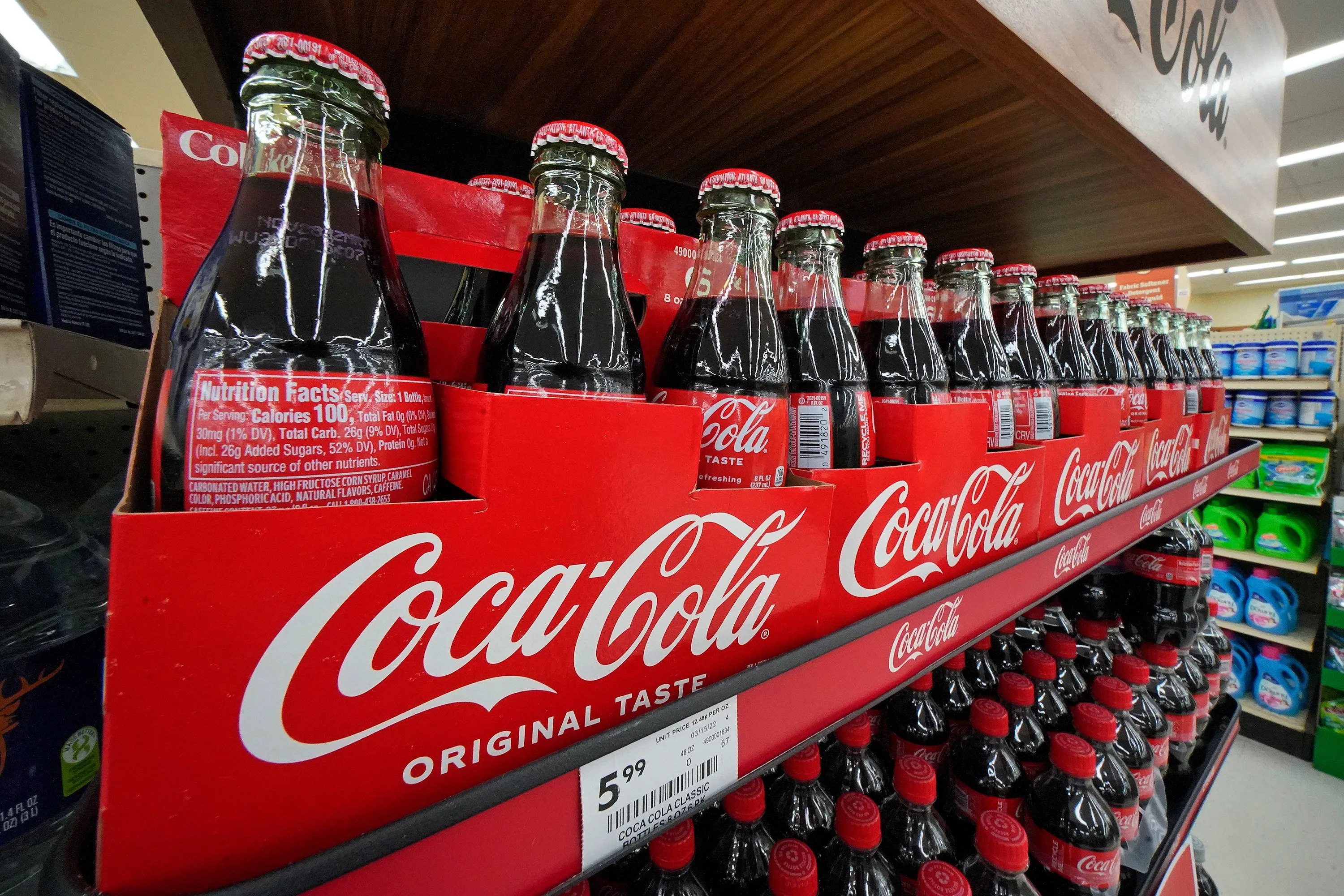
Photo: KTLA
Coca-Cola is rolling out an ambitious new advertising campaign in partnership with 13 major restaurant chains, aiming to reignite beverage sales at a time when the dining industry is grappling with declining foot traffic and cautious consumer spending. The initiative marks a strategic shift, as it is the first time the company has featured multiple restaurant brands together in a unified marketing effort.
The campaign centers on a simple but powerful consumer behavior insight: regardless of the restaurant, many customers end their order the same way—“And a Coke.” The ads showcase a variety of dining scenarios across different chains, cuisines, and occasions, reinforcing Coca-Cola’s position as a universal pairing across the fast-food and casual dining landscape.
Participating brands include a diverse mix of major players such as Arby’s, Culver’s, Domino’s Pizza, Five Guys, Jack in the Box, Jimmy John’s, Panda Express, Popeyes, Sonic, Wendy’s, Whataburger, White Castle, and Wingstop. By spanning categories from burgers and fried chicken to sandwiches and pizza, the campaign is designed to capture a wide range of dining occasions, from quick drive-thru stops to late-night cravings.
The timing of the campaign reflects mounting pressure across the restaurant industry. Data from early 2026 shows that U.S. restaurant traffic declined by approximately 2% in February, while consumer surveys indicate that nearly 4 in 10 diners are cutting back on spending when they eat out. Rising food prices, economic uncertainty, and shifting consumer habits are all contributing to slower growth across the sector.
For restaurants, beverage sales—especially fountain drinks like Coca-Cola—play a critical role in maintaining profitability. Drinks are among the highest-margin items on any menu, often delivering significantly higher profit percentages than food items. In an environment where overall traffic is softening, increasing the attachment rate of beverages to meals has become a key lever for boosting revenue.
Coca-Cola’s campaign is designed to directly support this goal. By embedding its product into the ordering experience across multiple brands, the company is not only promoting its own beverages but also helping restaurant partners drive higher ticket sizes. Even a small increase in beverage attachment rates can translate into meaningful revenue gains at scale.
Behind the scenes, Coca-Cola has been actively collaborating with restaurant partners to navigate the current slowdown. During the “value wars” that intensified in 2024, the company worked closely with chains to promote bundled meal deals that included beverages. In some cases, Coca-Cola contributed marketing support to help make low-cost meal offerings—such as $5 combo deals—more appealing to consumers.
The new campaign expands on that strategy by leveraging a broader media mix. Advertisements will debut in movie theaters before rolling out across television, digital platforms, and food delivery apps such as Uber Eats and DoorDash. This multi-channel approach is intended to reach consumers at multiple touchpoints, from entertainment venues to online ordering environments.
Notably, the participating restaurant chains did not pay to be included in the campaign. Instead, Coca-Cola views the initiative as part of its role as a strategic partner rather than just a supplier. The company has long positioned itself as a collaborator that provides marketing insights, consumer data, and promotional support to help its partners grow.
This relationship is critical to Coca-Cola’s business model. While the company does not break out exact figures, executives have indicated that roughly half of its global revenue comes from “away-from-home” channels, which include restaurants, theaters, airlines, and entertainment venues. As a result, the health of the restaurant industry is closely tied to Coca-Cola’s own performance.
Recent financial data reflects this connection. In 2025, Coca-Cola’s North American organic revenue grew by around 4%, but its unit case volume declined by 1%, suggesting that higher prices helped offset weaker demand. For 2026, the company is forecasting modest growth, signaling a cautious outlook amid ongoing economic headwinds.
The campaign also serves as a broader indicator of consumer sentiment. When restaurant traffic declines, it often signals tighter household budgets and reduced discretionary spending. By investing heavily in marketing and partnerships, Coca-Cola is attempting to counteract these trends and stimulate demand across its ecosystem.
Looking ahead, the success of the campaign will depend on whether it can meaningfully influence consumer behavior—encouraging more diners to add beverages to their orders despite tighter budgets. If effective, it could provide a template for future collaborations between beverage companies and restaurant chains in an increasingly competitive and cost-sensitive market.
Ultimately, Coca-Cola’s latest move highlights a key reality: in today’s environment, growth is no longer just about attracting customers—it’s about maximizing the value of every transaction.
.webp)
Popular articles



Subscribe to unlock premium content
LEGO Boutique Flagship Stores Are Redefining Global Play
How Boutique Safari Camps in Kenya Are Creating Premium Eco Experiences

Discovering Southeast Asia’s Private Culinary Travel Boom
LEGO Boutique Flagship Stores Are Redefining Global Play
How Boutique Safari Camps in Kenya Are Creating Premium Eco Experiences
LEGO Boutique Flagship Stores Are Redefining Global Play