Ukraine Signals Willingness to Drop NATO Bid as U.S.-Led Peace Talks Gain Momentum

Ukraine Signals Willingness to Drop NATO Bid as U.S.-Led Peace Talks Gain Momentum
By
Rachel Steinberg
Last updated:
December 15, 2025
First Published:
December 15, 2025

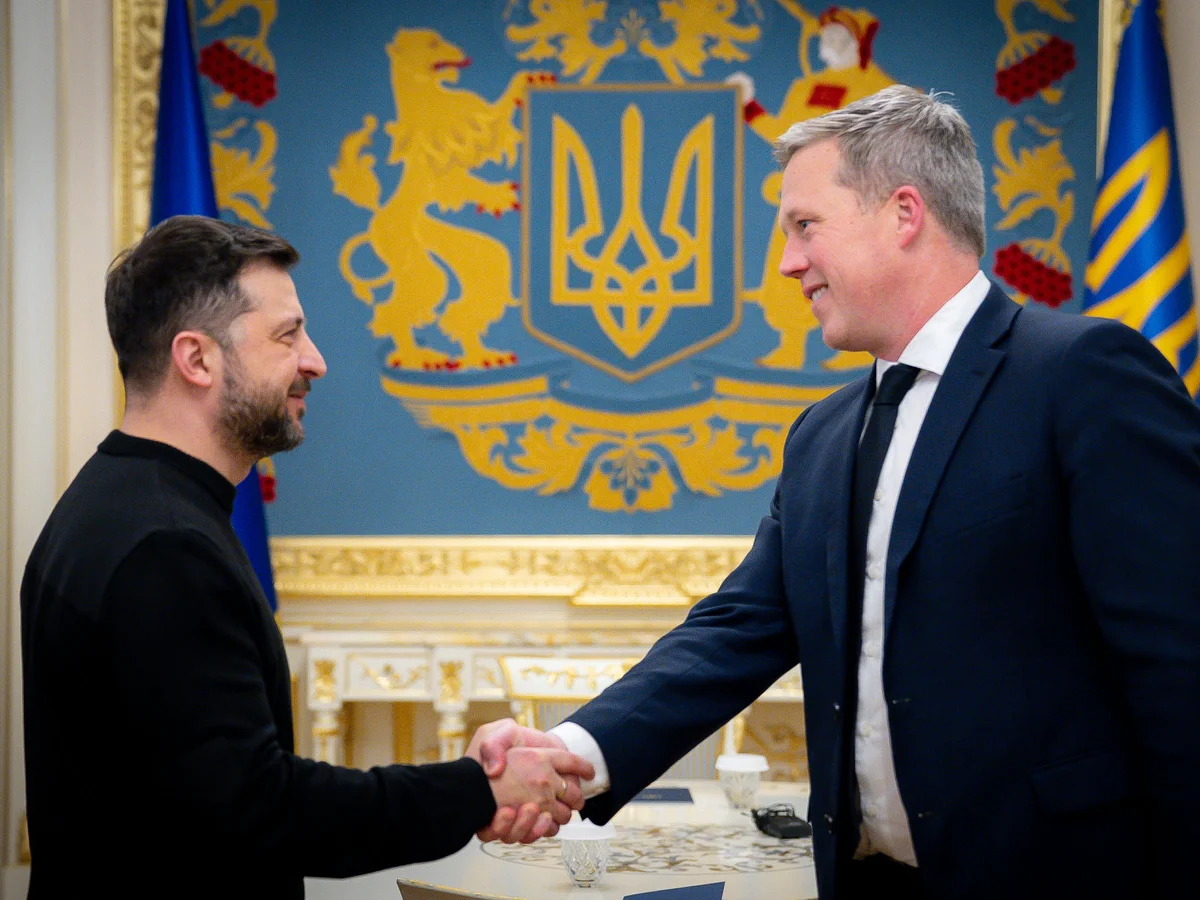
Photo: The Guardian
High-Stakes Talks in Berlin
Ukraine has indicated it is prepared to abandon its long-standing ambition to join NATO as part of an effort to secure an end to the war with Russia. The signal came during more than five hours of closed-door talks in Berlin between President Volodymyr Zelenskyy and senior U.S. representatives, with negotiations set to continue the following day.
The discussions are among the most intensive diplomatic efforts in months aimed at resolving Europe’s most destructive conflict since World War II, now approaching its fourth year since Russia’s full-scale invasion in 2022.
U.S. Envoys Report Progress
Steve Witkoff, a key envoy for U.S. President Donald Trump, said “a lot of progress was made” during the meetings, which also included Trump’s son-in-law Jared Kushner. While few specifics were disclosed, Witkoff said talks covered a broad peace framework, economic issues, and security arrangements.
Zelenskyy’s adviser, Dmytro Lytvyn, confirmed that draft documents were under review and described the talks as constructive. He said discussions would resume Monday morning, with the Ukrainian president expected to comment publicly once negotiations conclude.
The talks were hosted by German Chancellor Friedrich Merz, underscoring Europe’s central role as mediator alongside Washington. Other European leaders are expected in Germany for follow-up discussions.
A Major Shift on NATO
Ahead of the Berlin meetings, Zelenskyy publicly offered to drop Ukraine’s goal of joining NATO in exchange for binding security guarantees from Western partners. The move represents a significant departure from Kyiv’s long-held strategy, with NATO membership enshrined in Ukraine’s constitution as a core national objective.
Zelenskyy acknowledged that not all Western partners have supported Ukraine’s NATO bid and said alternative security arrangements could provide meaningful protection.
He outlined a framework involving bilateral guarantees from the United States, Article 5-style commitments, and additional assurances from European allies as well as countries such as Canada and Japan. He emphasized that any guarantees must be legally binding and robust enough to deter future Russian aggression.
Russia’s Long-Standing Demands
Ukraine’s position touches directly on one of Moscow’s central war aims. Russian President Vladimir Putin has repeatedly demanded that Ukraine formally renounce NATO membership and adopt a neutral status. Moscow has also insisted that Kyiv withdraw troops from parts of eastern Ukraine, including roughly 10% of the Donbas region that Ukraine still controls.
Russian officials have previously said Putin wants written assurances from major Western powers that NATO will not expand further east, effectively ruling out membership for Ukraine and other former Soviet states.
Despite the concession on NATO, Ukrainian officials have so far shown no willingness to cede additional territory as part of a settlement.
Ceasefire and Territorial Lines
Zelenskyy has suggested that a ceasefire along the current front lines could be a fair starting point for ending active hostilities. However, he has accused Russia of prolonging the conflict through continued strikes on cities and critical infrastructure, including power and water systems.
The war has caused massive economic damage, displaced millions of civilians, and placed sustained pressure on European energy markets and public finances, making a durable ceasefire a priority for Kyiv and its allies.
European Skepticism and Historical Warnings
Germany’s Defense Minister Boris Pistorius welcomed Washington’s engagement, calling it a positive sign that senior U.S. envoys were directly involved. At the same time, he expressed reservations about both the negotiating format and the durability of security guarantees.
Pistorius pointed to Ukraine’s experience under the 1994 Budapest Memorandum, when Kyiv gave up its Soviet-era nuclear arsenal in exchange for security assurances from the U.S., Russia, and the U.K. Those guarantees failed to prevent Russia’s invasion decades later.
He warned that security promises without strong enforcement mechanisms, particularly without deep U.S. involvement, would carry limited credibility.
Europe’s Role and Financial Backing
Britain, France, and Germany have been working to refine U.S.-backed peace proposals, some of which previously called for Ukraine to relinquish territory, abandon NATO ambitions, and accept limits on its military.
European leaders have described the current phase as a critical turning point. Alongside diplomacy, they are exploring ways to stabilize Ukraine’s economy, including the use of frozen Russian central bank assets to fund military needs, reconstruction, and essential public services.
A Defining Moment for Ukraine’s Future
The Berlin talks highlight the scale of compromise now under discussion as pressure mounts to bring the war to an end. Dropping NATO aspirations would mark one of the most consequential strategic shifts in Ukraine’s modern history.
Whether the proposed security guarantees can offer real protection, and whether Russia is prepared to accept terms that stop short of its maximal demands, will determine whether these negotiations translate into a lasting peace or another stalled diplomatic effort.

Popular articles


Subscribe to unlock premium content
The New Wave of Superyacht Ownership

Micro-Experience Convenience Stores Are Reinventing Quick Stops

Custom Vans for Digital Nomads Redefine Mobility

The New Wave of Superyacht Ownership
Micro-Experience Convenience Stores Are Reinventing Quick Stops
The New Wave of Superyacht Ownership