UK and Gulf Nations Seal Landmark Trade Agreement to Unlock Billions in Economic Growth

UK and Gulf Nations Seal Landmark Trade Agreement to Unlock Billions in Economic Growth
By
David Goldfarb
Last updated:
May 25, 2026
First Published:
May 25, 2026


Getty Images
The United Kingdom and the Gulf Cooperation Council (GCC) have entered a major new chapter in their economic relationship after finalizing a wide-ranging free trade agreement designed to expand market access, strengthen investment flows, and create new business opportunities across multiple industries.
Officials on both sides are describing the agreement as a transformative step that could reshape commercial relations between Britain and one of the world’s fastest-growing and wealthiest regions.
Bahrain’s Minister of Industry and Commerce, Abdulla bin Adel Fakhro, called the agreement a major milestone and emphasized that it delivers benefits for both economies at a time when global trade and geopolitical conditions remain uncertain.
The agreement arrives during a period of heightened regional tension and economic challenges, making the deal particularly significant for long-term growth ambitions.
A Major Trade Corridor Between Two Important Economic Regions
The GCC includes six member states:
• Bahrain
• Saudi Arabia
• United Arab Emirates
• Qatar
• Kuwait
• Oman
Together, these countries represent a combined economic output exceeding $2 trillion and a population of more than 57 million people.
The region has become increasingly important to global trade and investment, with governments accelerating efforts to diversify their economies beyond oil and gas dependence.
The U.K. already maintains extensive commercial relationships across the Gulf, and the agreement is expected to deepen those connections significantly.
Officials believe stronger trade integration will encourage additional cross-border investment and improve long-term economic resilience for both sides.
Tariff Reductions Could Unlock Hundreds of Millions in Savings
One of the most significant aspects of the agreement involves reducing import duties across a broad range of sectors.
Current estimates suggest the deal could remove approximately £580 million, equivalent to around $780 million, in annual tariffs based on existing U.K. export activity to GCC markets.
Of that amount:
• Around £360 million in duties could disappear immediately when the agreement takes effect
• Additional tariff reductions will be phased in over future years
• Certain sectors will receive gradual implementation periods extending five to ten years
The reductions are expected to lower costs for exporters and create broader access to products and services across both markets.
Industries Expected to Benefit Most
Several major sectors are expected to gain from the agreement.
Tariffs on a number of British exports will either disappear immediately or be gradually reduced over time.
Products expected to benefit include:
• Automotive exports
• Aerospace components
• Turbojet technologies
• Food and beverage products
• Consumer goods
• Electric vehicles over longer implementation periods
Meanwhile, Gulf-based industries are expected to gain stronger access to British markets and investment opportunities.
Bahrain officials indicated that sectors including petrochemicals, industrial manufacturing, and supply chain operations could experience meaningful growth.
Financial Services and Technology Could Become Key Growth Areas
Beyond physical goods, services and technology are expected to become major drivers of future cooperation.
The U.K. continues to maintain strong positions in industries including:
• Financial technology
• Professional services
• Advanced manufacturing
• Digital innovation
• Financial markets
• Artificial intelligence and emerging technologies
Gulf countries have increasingly prioritized these same sectors as part of broader economic diversification strategies.
As Gulf nations continue investing heavily in technology infrastructure and non-oil industries, partnerships with established international markets could become increasingly valuable.
Analysts expect the agreement to encourage joint ventures, knowledge sharing, and greater capital movement between the two regions.
Agreement Comes During Regional Uncertainty
The timing of the trade agreement is notable.
The Gulf region has recently faced heightened geopolitical pressure and concerns surrounding broader economic stability due to regional conflict and energy market uncertainty.
Energy prices, supply chains, and investor sentiment have all experienced increased volatility.
Regional leaders have continued emphasizing that the Gulf remains committed to economic growth and international investment despite these challenges.
Officials have also stressed stronger cooperation among GCC members as they focus on long-term priorities.
Areas receiving increased attention include:
• Manufacturing expansion
• Supply chain resilience
• Infrastructure development
• Industrial growth
• Foreign investment attraction
The agreement with the U.K. may strengthen confidence among international businesses evaluating long-term opportunities within Gulf economies.
Britain Sees Major Economic Potential
For the U.K., the agreement represents one of its largest trade developments in recent years.
Government estimates suggest the deal could contribute approximately £3.7 billion, or nearly $5 billion, annually to the British economy over the long term.
Potential benefits highlighted by policymakers include:
• Increased business investment
• Expanded export activity
• Higher wages over time
• New employment opportunities
• Greater economic resilience
The agreement also carries strategic significance because it makes Britain the first G7 nation to finalize a major trade pact with the GCC bloc.
This distinction could strengthen the country's position as it seeks broader international partnerships and long-term trade expansion.
Long-Term Partnership Extends Beyond Trade
While tariffs and exports dominate headlines, officials on both sides have framed the agreement as something larger than a traditional trade arrangement.
The deal reflects growing alignment in investment goals, industrial development, and economic transformation strategies.
For Gulf countries pursuing ambitious diversification programs and for Britain seeking stronger international commercial ties, the agreement may represent a foundation for decades of deeper cooperation.
As global trade patterns continue evolving, both sides appear focused not only on increasing transactions but also on building a broader long-term economic partnership.
.webp)
Popular articles



Subscribe to unlock premium content
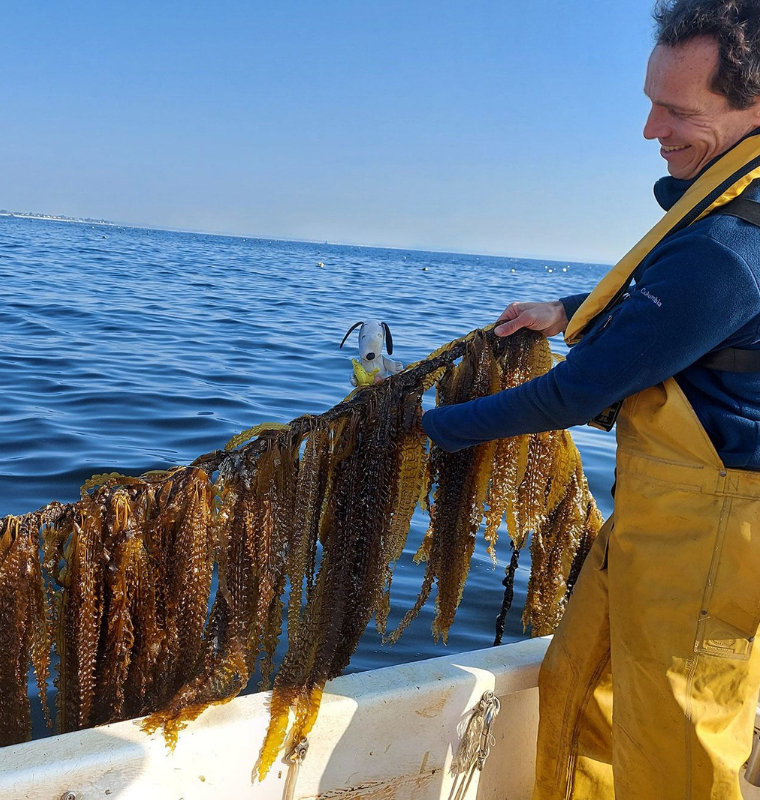
The Hidden World of Ultra-Rare Seaweed Farming
Riding Waves and Wealth in Bali

The Market for Renting Private Libraries Where Only Rare, Unpublished Manuscripts Exist

The Hidden World of Ultra-Rare Seaweed Farming
Riding Waves and Wealth in Bali
The Hidden World of Ultra-Rare Seaweed Farming