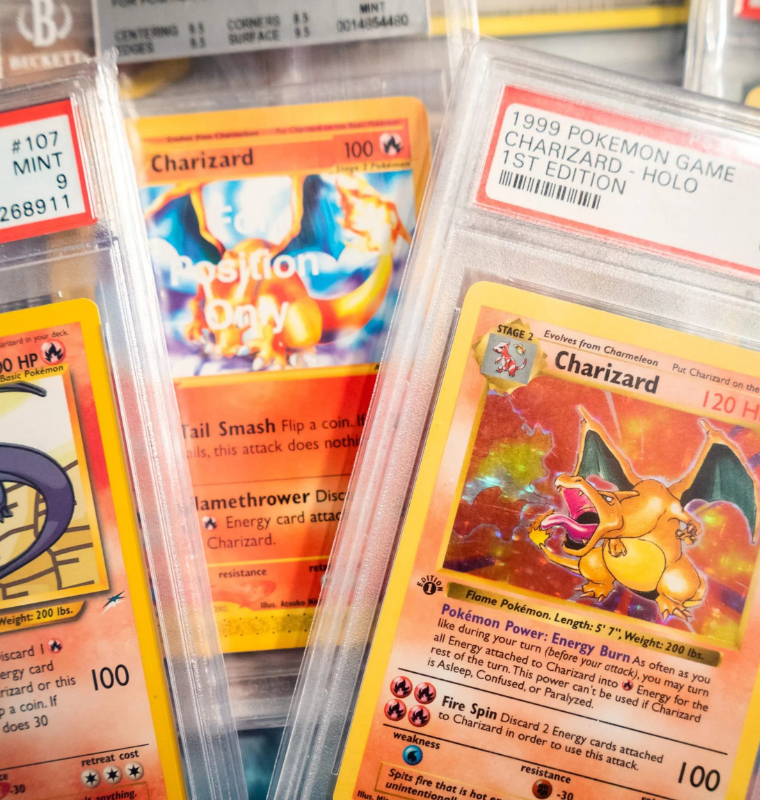
Liquid Death — The Startup Turning Canned Water into a Billion-Dollar Entertainment Brand

Liquid Death — The Startup Turning Canned Water into a Billion-Dollar Entertainment Brand
By
David Goldfarb
Last updated:
May 25, 2026
First Published:
May 25, 2026

.webp)
Liquid Death – Making Water “Extreme”
Founded in 2017, Liquid Death is a Los Angeles-based beverage startup selling mountain water, sparkling water, and iced tea in tallboy aluminum cans. At first glance, the product looks like an energy drink or beer—but it’s actually just water.
The company’s mission is not only hydration, but also to “murder your thirst” while replacing plastic bottles with infinitely recyclable aluminum cans. By combining aggressive branding, humor, and sustainability, Liquid Death transformed a basic commodity into a global lifestyle brand.
Founding Story
Liquid Death was founded by Mike Cessario, a former advertising creative director. The idea came from a simple observation: at music festivals, people often drank water from energy drink cans because bottled water felt “uncool” in those environments.
Cessario saw an opportunity—what if water was branded like a heavy metal or punk rock product instead of a boring health item?
He initially tested the concept with a low-budget viral video and mock branding before the product even existed. The response was massive, proving that branding alone could create demand even for a commodity like water.
Funding and Growth Milestones
Liquid Death scaled rapidly through viral marketing and venture capital backing:
- 2017: Concept and trademark filed by Mike Cessario.
- 2019: Official launch; initial seed funding (~$1.6M) to begin production.
- 2020: Series A (~$9M) accelerates retail expansion and brand campaigns.
- 2021: Series B and C funding push growth; revenue reaches tens of millions.
- 2022: Raises $75M at a ~$525M valuation.
- 2023: Reports over $263M in retail sales.
- 2024: Raises $67M funding at a $1.4B valuation, achieving unicorn status.
The company now distributes across tens of thousands of retail locations in the U.S. and international markets.
Business Model and Technology
Liquid Death operates as a consumer packaged goods (CPG) brand with entertainment-level marketing:
- Product Line: Still water, sparkling water, flavored water, and iced tea.
- Packaging Innovation: Aluminum cans instead of plastic bottles for sustainability and shelf differentiation.
- Revenue Model: Retail sales through supermarkets, convenience stores, and online channels.
- Brand Strategy: Heavy reliance on viral content, merchandise, and collaborations rather than traditional advertising.
- Distribution: Rapid expansion into major retail chains and event-based sales channels.
The real “technology” here is not in the product itself—but in the marketing system that turns attention into distribution velocity.
Market Impact
Liquid Death has had an outsized impact for a company selling a basic commodity:
- Reframed Water Branding: Made water feel like a cultural product rather than a utility.
- Sustainability Messaging: Promotes aluminum cans as a plastic alternative.
- Gen Z Engagement: Built a strong following through humor, shock branding, and internet-native content.
- Retail Disruption: Achieved high shelf velocity in major retailers like Whole Foods and convenience stores.
- Category Expansion: Expanded beyond water into iced tea and flavored beverages.
Challenges and Controversies
Despite its success, Liquid Death faces structural challenges:
- Commodity Risk: The product itself is replaceable—competition is low-barrier in bottled water.
- Brand Dependency: Heavy reliance on marketing means long-term success depends on sustained cultural relevance.
- Retail Margins: Beverage distribution is capital-intensive with tight margins.
- Longevity Question: Some analysts view it as a potentially trend-driven brand requiring continuous reinvention.
Future Outlook
Liquid Death is expanding beyond “just water” into a broader beverage and lifestyle ecosystem:
- Product Expansion: More flavored drinks and non-water beverages.
- Global Retail Growth: Expansion into Europe and other international markets.
- Entertainment Branding: Continued focus on viral campaigns, celebrity collaborations, and events.
- Merch & Community: Strong emphasis on lifestyle branding and community-driven marketing.
- Potential Exit Paths: IPO or acquisition by a major beverage conglomerate remains a long-term possibility.
From a simple idea of putting water in a can, Liquid Death became one of the most recognizable beverage startups in the world. Mike Cessario didn’t reinvent water—he reinvented how it is marketed, turning a commodity into a cultural statement.
Its story highlights a modern startup truth: in saturated markets, attention can be more valuable than the product itself—if executed at scale and with consistency.
.webp)
Popular articles



Subscribe to unlock premium content
Celebrity-Endorsed High-Altitude Vineyards Transform Luxury Wine Market

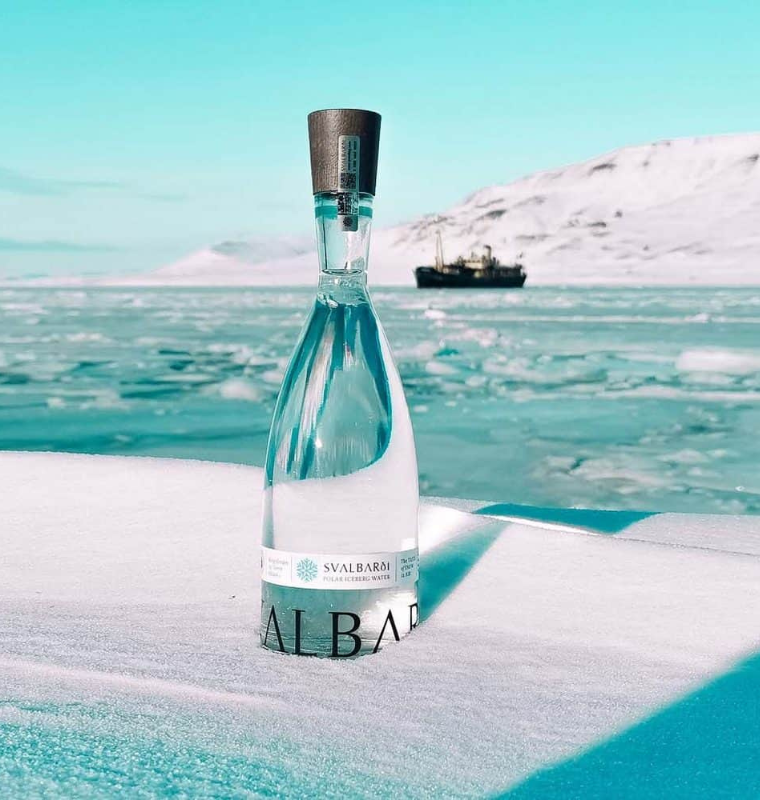
Liquid Luxury on Ice
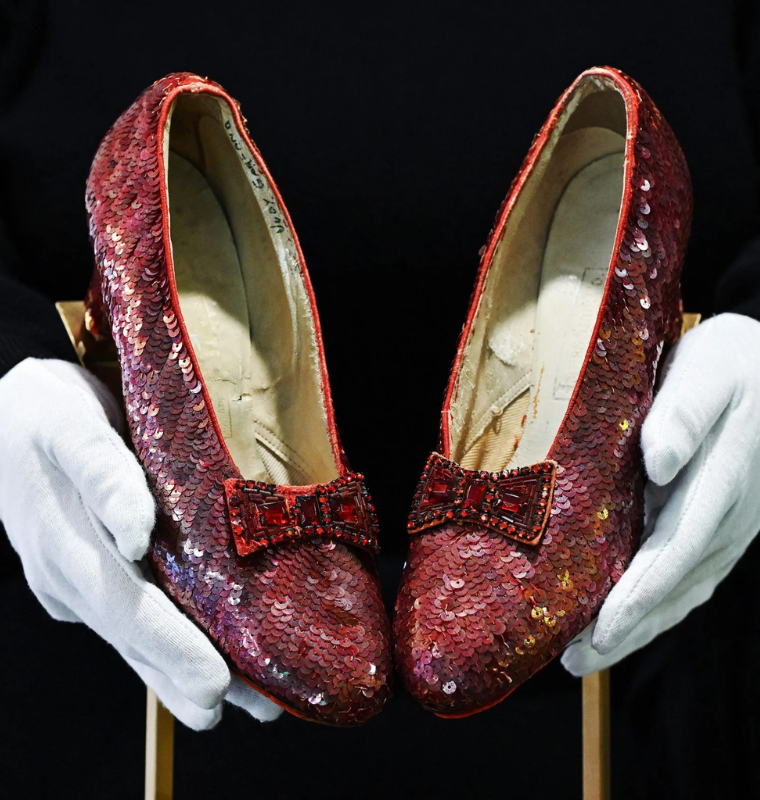
Hollywood’s Forgotten Treasures Become the Ultimate Status Symbol
Celebrity-Endorsed High-Altitude Vineyards Transform Luxury Wine Market
Liquid Luxury on Ice
Celebrity-Endorsed High-Altitude Vineyards Transform Luxury Wine Market