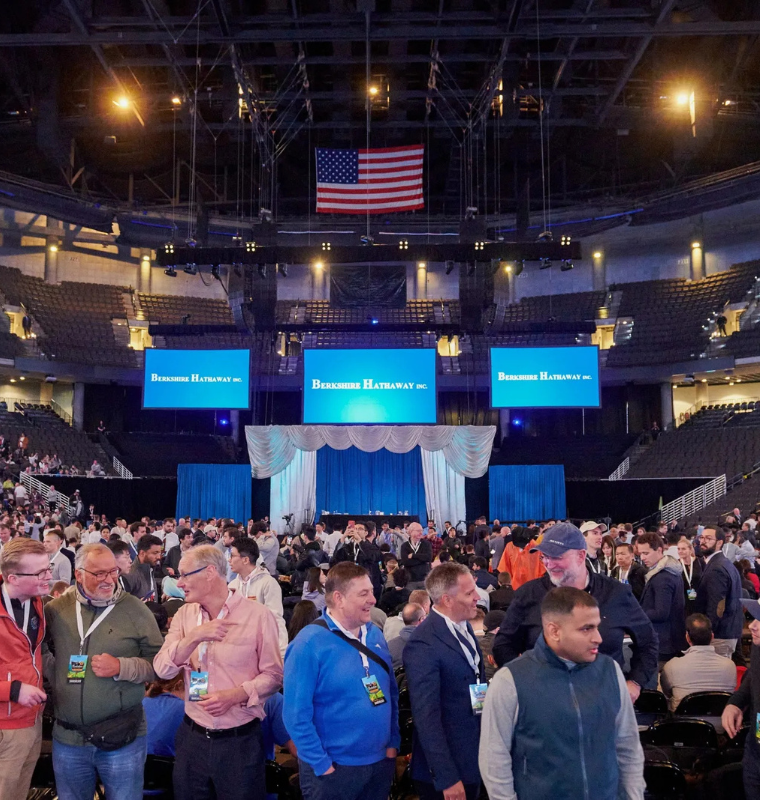
Uber Restructures Workforce as HR and Recruiting Teams Face Significant Cuts

Uber Restructures Workforce as HR and Recruiting Teams Face Significant Cuts
By
Rachel Steinberg
Last updated:
June 4, 2026
First Published:
June 4, 2026


Photo: Quartz
Ride-hailing and delivery giant Uber Technologies is undertaking a significant internal restructuring effort, eliminating nearly a quarter of its People division as part of a broader strategy to simplify operations, improve organizational efficiency, and strengthen alignment between support functions and core business units.
The move marks one of the most notable workforce reorganizations at the company in recent years and comes as businesses across the technology sector continue reevaluating staffing structures, operational costs, and productivity initiatives in an increasingly competitive environment.
According to company leadership, the reductions are intended to streamline decision-making and create a more agile organizational framework rather than serve as a response to artificial intelligence-related workforce displacement.
Nearly a Quarter of People Division Roles Eliminated
Uber confirmed that approximately 23% of positions within its People organization will be cut as part of the restructuring effort.
The People division encompasses key functions including:
- Human resources
- Talent acquisition
- Recruiting operations
- Employee experience programs
- Workforce planning
- Organizational development
While the company did not disclose the exact number of affected employees, executives indicated the reductions account for well under 1% of Uber's global workforce.
With approximately 34,000 employees worldwide, the cuts represent a relatively small percentage of Uber's overall headcount but a substantial restructuring within the People organization itself.
The move reflects a targeted effort to reshape support functions rather than a company-wide downsizing initiative.
CEO Says Changes Are Necessary for Future Growth
In a message shared with employees, CEO Dara Khosrowshahi described the restructuring as an important step toward increasing effectiveness across the organization.
According to company leadership, the goal is to position the People team to better support Uber's future growth ambitions while reducing inefficiencies that have developed over time.
Executives emphasized that the company sees substantial opportunities ahead in both mobility and delivery services and believes organizational changes are needed to fully capitalize on those opportunities.
The restructuring comes at a time when Uber continues to expand across ride-hailing, food delivery, freight, advertising, and emerging mobility services.
New President Jill Hazelbaker Takes a Larger Leadership Role
The workforce changes also arrive shortly after the promotion of Jill Hazelbaker to president and chief corporate affairs officer.
Hazelbaker has become one of the most influential executives within Uber's leadership team and is playing a central role in shaping the company's next phase of organizational development.
In communications to affected teams, she outlined a vision centered on creating a more connected, modern, and operationally efficient company.
According to leadership, certain areas within the People organization had become increasingly fragmented over time, resulting in overlapping responsibilities, unclear accountability structures, and support teams operating too far from the business units they were intended to serve.
The restructuring aims to address those challenges by consolidating responsibilities and clarifying ownership across departments.
Uber Focuses on Organizational Simplicity
Like many large technology companies that experienced rapid growth over the past decade, Uber has faced the challenge of maintaining efficiency as its workforce expanded globally.
As organizations grow, support functions often become layered and complex, leading to duplicated efforts, slower decision-making, and operational inefficiencies.
Industry analysts note that many large corporations are now prioritizing organizational simplification after years of aggressive hiring.
Key objectives typically include:
- Faster decision-making
- Reduced management layers
- Clearer reporting structures
- Improved accountability
- Stronger alignment with business objectives
- Lower administrative complexity
Uber's latest restructuring appears consistent with these broader corporate trends.
Company Rejects Claims That AI Triggered the Layoffs
The announcement comes during a period when many technology companies are citing artificial intelligence as a factor in workforce reductions.
Across Silicon Valley and the broader tech sector, firms have increasingly pointed to automation tools, AI assistants, and productivity software as reasons for reducing staffing needs in certain functions.
Uber, however, has explicitly stated that the latest workforce reductions are not the result of artificial intelligence replacing employees.
Company representatives stressed that the restructuring is rooted in organizational design and operational efficiency rather than automation-driven job elimination.
That distinction is notable given the growing public debate over AI's impact on employment.
Uber's Growing Investment in Artificial Intelligence
Although the company says AI did not drive these layoffs, Uber continues to invest aggressively in artificial intelligence technologies.
Recent reports revealed that the company implemented spending limits for employees using advanced AI and agentic software tools.
Under the current framework, some AI tools are subject to monthly spending thresholds beginning at approximately $1,500 per user, with higher tiers available depending on business needs and use cases.
These limits are designed primarily for advanced coding assistants, agentic AI platforms, and productivity-enhancing technologies that can generate significant usage costs.
The company clarified that these are flexible spending guidelines rather than hard restrictions.
AI Spending Has Expanded Rapidly
Uber's growing AI expenditures highlight a broader trend unfolding across the technology industry.
Companies are investing billions of dollars into artificial intelligence infrastructure, software platforms, cloud computing resources, and productivity tools as they seek competitive advantages.
According to previous comments from Uber's technology leadership, the company's AI-related spending exceeded internal budget expectations significantly faster than anticipated.
The rapid adoption of AI-powered tools reflects the increasing importance of automation, machine learning, and intelligent software across modern business operations.
Applications include:
- Software development
- Customer service automation
- Data analysis
- Operational forecasting
- Marketing optimization
- Internal productivity enhancements
While AI spending continues to grow, Uber maintains that its workforce restructuring should not be interpreted as a direct consequence of these investments.
Part of a Broader Corporate Trend
Uber's announcement comes amid an ongoing wave of organizational restructuring across corporate America.
Technology companies, financial institutions, consulting firms, and multinational corporations have increasingly reviewed staffing levels over the past two years as they seek to balance growth investments with profitability goals.
Many businesses are focusing less on aggressive workforce expansion and more on maximizing productivity, improving operational discipline, and generating stronger returns from existing resources.
Investors have generally rewarded companies that demonstrate cost discipline while continuing to invest in strategic growth areas such as artificial intelligence, automation, and digital infrastructure.
What Comes Next for Uber
Despite the workforce reductions within its People division, Uber remains focused on expanding its core businesses and strengthening long-term profitability.
The company continues to hold leading positions in ride-hailing and food delivery across numerous international markets while pursuing growth opportunities in advertising, autonomous vehicle partnerships, and logistics services.
Leadership believes the latest restructuring will create a more streamlined support organization capable of serving a rapidly evolving global business.
As competition intensifies across the mobility and delivery industries, Uber's ability to balance operational efficiency with innovation will likely remain a key factor shaping its future performance.
For employees, investors, and industry observers, the latest changes signal that Uber is entering another phase of organizational evolution—one focused on simplification, accountability, and preparing the company for its next chapter of growth.
.webp)
Popular articles



Subscribe to unlock premium content
The Rise of Indoor Vertical Gardening

Esports Tournaments Are Becoming the New Spectator Sport
Minimalism in Motion

The Rise of Indoor Vertical Gardening
Esports Tournaments Are Becoming the New Spectator Sport
The Rise of Indoor Vertical Gardening