U.S. Urges Americans to Exit Iran as Washington and Tehran Prepare for Critical Oman Talks

U.S. Urges Americans to Exit Iran as Washington and Tehran Prepare for Critical Oman Talks
By
David Goldfarb
Last updated:
February 6, 2026
First Published:
February 6, 2026

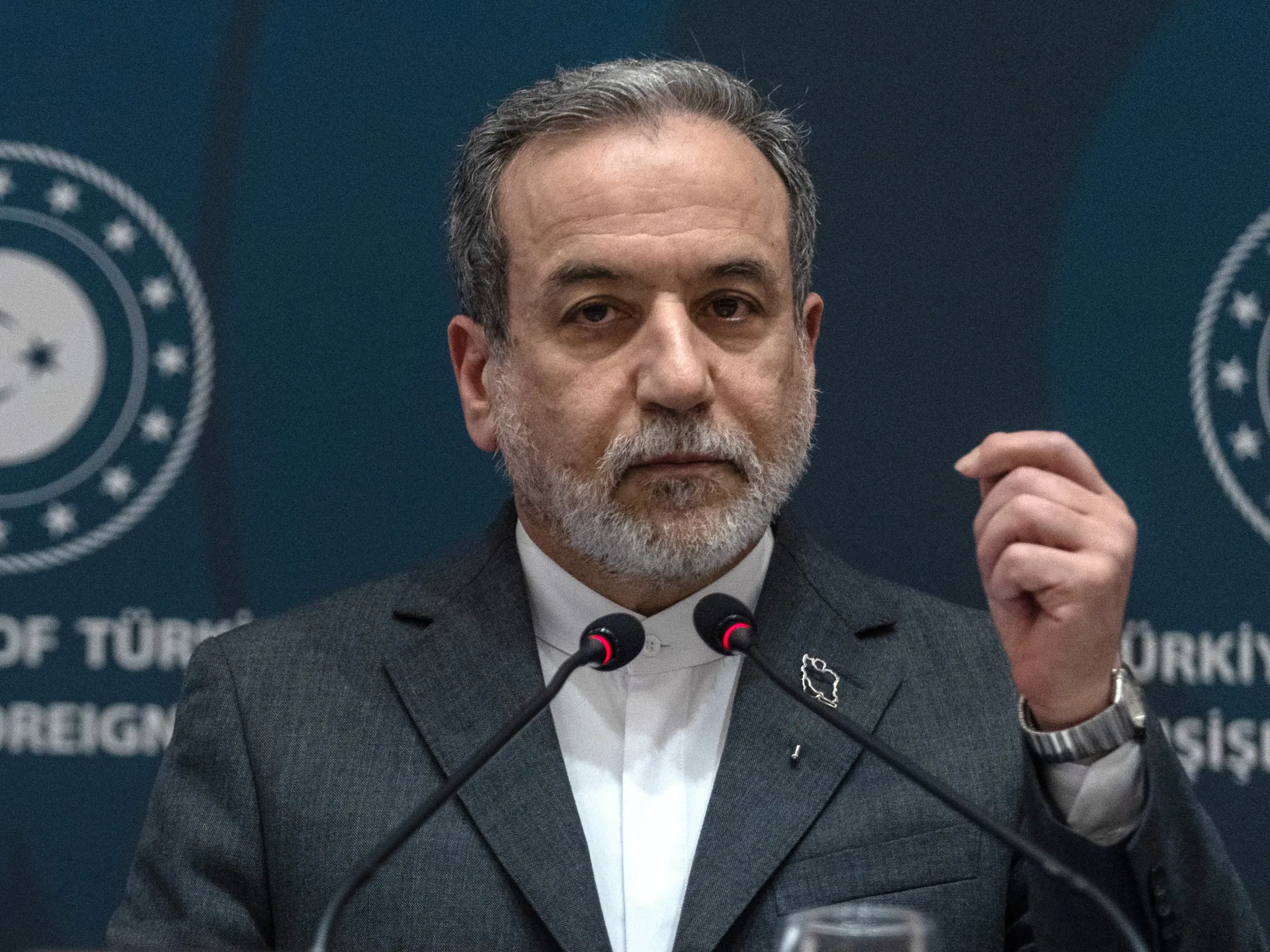
Photo: Al Jazeera
The United States has issued a fresh security warning urging American citizens in Iran to leave the country immediately, just hours before U.S. and Iranian officials were set to meet in Oman for a new round of high-stakes negotiations.
The alert, released early Friday by the U.S. Virtual Embassy in Iran, advised Americans to “leave Iran now” and to make departure plans that do not depend on U.S. government assistance. The move underscores how fragile the situation has become as diplomacy unfolds against a backdrop of rising military tension across the Middle East.
The talks mark the first formal engagement between Washington and Tehran since last year’s sharp escalation, raising hopes of dialogue but also highlighting how far apart the two sides remain.
Security Alert Signals Rising Risk
The latest warning follows a series of similar advisories issued over the past month. Most recently, on Jan. 14, U.S. authorities also urged citizens to depart Iran as President Donald Trump weighed potential responses to Tehran, including the possibility of targeted military action.
Friday’s notice reflects growing concern over the safety of foreign nationals as negotiations resume and U.S. forces increase their presence in the region. American officials have emphasized that conditions inside Iran can change rapidly, leaving limited options for evacuation if hostilities erupt.
At present, there is no U.S. embassy operating in Iran, which further complicates consular assistance for Americans on the ground.
Oman Talks Bring Key Players Back to the Table
The diplomatic meetings in Oman bring together senior representatives from both sides, including U.S. Special Envoy Steve Witkoff and Jared Kushner, President Trump’s son-in-law, alongside a delegation led by Iran’s Foreign Minister Abbas Araghchi.
The agenda is expected to center on Iran’s nuclear activities, its ballistic missile program, and its support for armed groups across the Middle East. U.S. officials are reportedly pressing Tehran to dismantle its enriched uranium stockpile, accept limits on missile development, and halt military assistance to regional militias.
Iran, for its part, has rejected these demands as violations of national sovereignty and has warned that any attack on its territory would be met with retaliation against U.S. military assets in the region and against Israel.
Although the talks were initially planned for Istanbul, Tehran requested a last-minute change to Oman and asked that participation be limited strictly to American and Iranian representatives, excluding regional mediators.
Military Posturing Raises the Stakes
Diplomacy is unfolding alongside a visible buildup of U.S. military power in the Gulf. President Trump has confirmed the deployment of what he described as a “massive armada,” led by the aircraft carrier Abraham Lincoln, into the Middle East in recent weeks.
The show of force is widely viewed as both a deterrent and a signal of Washington’s readiness to act if negotiations collapse.
Tensions have remained elevated since June last year, when a brief but intense 12-day conflict with Israel culminated in U.S. airstrikes that significantly damaged Iran’s three main nuclear facilities. That episode marked the most direct confrontation between the U.S. and Iran in years and continues to shape today’s diplomatic calculations.
Energy analysts and geopolitical strategists warn that any renewed conflict could disrupt shipping routes in the Gulf, drive oil prices sharply higher, and rattle global markets.
Analysts See Limited Room for Compromise
Many experts are skeptical about the prospects for a breakthrough.
Bob McNally, president of Rapidan Energy Group, said the core demands of Washington and Tehran remain far apart, with trust between the two sides effectively nonexistent. He estimates a 75% probability of military confrontation in the coming days or weeks, outlining scenarios ranging from selective airstrikes and naval blockades to a broader regional conflict.
McNally added that President Trump has placed U.S. credibility on the line. If Iran refuses to make substantial concessions, the White House may feel compelled to respond militarily. Conversely, if Washington pulls back, Israel could act independently against Iranian missile sites, nuclear infrastructure, or senior leadership targets.
Domestic Unrest Adds Another Layer of Pressure
The international standoff is unfolding alongside ongoing internal tensions in Iran.
Earlier this year, nationwide protests erupted across the country, prompting a harsh government crackdown. According to Human Rights Activists News Agency, at least 6,883 people have been killed as authorities moved to suppress demonstrations.
President Trump previously signaled support for Iranian protestors and at one point suggested possible intervention, though the administration ultimately refrained from taking direct military action at that stage.
The combination of domestic instability and external pressure has further complicated Iran’s negotiating position.
What Comes Next
With U.S. citizens being urged to leave Iran, American naval forces positioned in the Gulf, and diplomats meeting under intense pressure in Oman, the coming days could prove decisive.
If talks produce even modest progress, they could open the door to de-escalation and renewed diplomatic engagement. If they fail, the risk of military confrontation rises sharply, with potentially far-reaching consequences for regional security, global energy markets, and international trade.
For now, Washington’s evacuation warning serves as a stark reminder of how close diplomacy and conflict have become, as both sides navigate one of the most volatile chapters in U.S.–Iran relations in recent years.
.webp)
Popular articles



Subscribe to unlock premium content
Zara’s Hyper-Fast Fashion Supply Chain Is Changing Global Retail

The Rise of Apple Stores as Experiential Brand Centers Worldwide

Boutique Eco-Lodges in Costa Rica Redefining Ultra-Luxury Travel

Zara’s Hyper-Fast Fashion Supply Chain Is Changing Global Retail
The Rise of Apple Stores as Experiential Brand Centers Worldwide
Zara’s Hyper-Fast Fashion Supply Chain Is Changing Global Retail