
U.S. Seeks to Postpone Trump–Xi Summit as Iran Conflict Reshapes Global Priorities

U.S. Seeks to Postpone Trump–Xi Summit as Iran Conflict Reshapes Global Priorities
By
Rachel Steinberg
Last updated:
March 17, 2026
First Published:
April 25, 2026

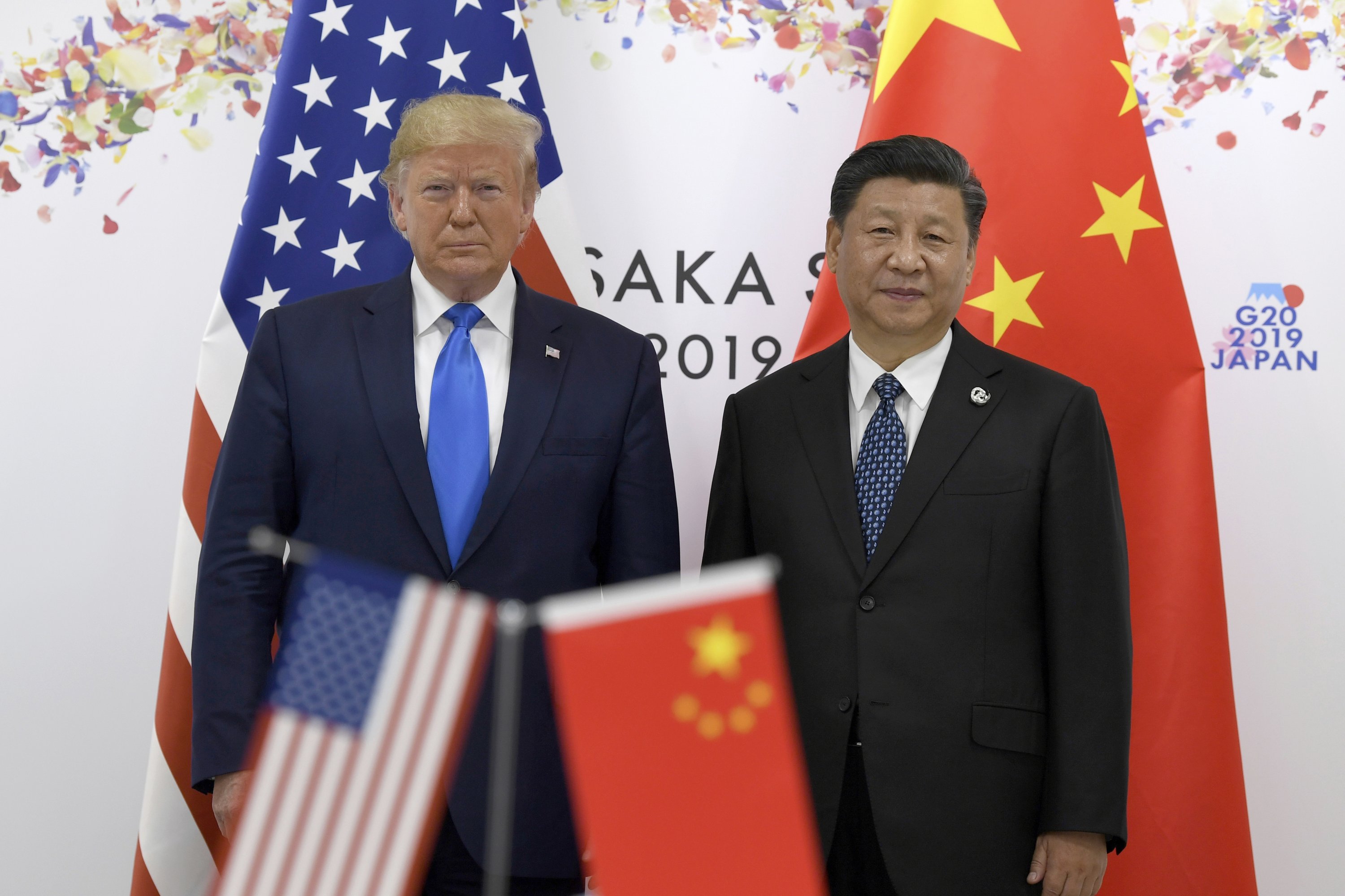
Photo: Daily Sabah
The United States has requested a delay in the highly anticipated meeting between Donald Trump and Xi Jinping, as escalating conflict in the Middle East forces Washington to reassess its immediate priorities. The summit, originally expected to take place in Beijing at the end of March, is now likely to be postponed by “a month or so,” according to Trump.
Speaking from the Oval Office, Trump indicated that his presence in the U.S. is critical amid the ongoing war involving Iran. While reaffirming his willingness to meet Xi, he emphasized that the current geopolitical situation requires him to remain focused on managing the conflict and its broader implications.
War Pressures Reshape Diplomatic Timelines
The decision to delay the summit comes as the Iran conflict enters a more volatile phase, with ripple effects being felt across global energy markets, security alliances, and diplomatic channels. The U.S. administration appears to be prioritizing crisis management over long-planned diplomatic engagements, particularly those involving major global powers.
Trump’s remarks suggest that the postponement is driven primarily by logistical and strategic considerations tied to the war, rather than a breakdown in U.S.-China relations. He reiterated that ties with Xi remain strong and expressed optimism about rescheduling the meeting in the near future.
However, the timing is significant. The summit was expected to address a range of critical issues, including trade imbalances, technology competition, and geopolitical coordination, all of which are becoming increasingly complex in the current environment.
Rising Tensions Between Washington and Beijing
The delay also comes against a backdrop of renewed friction between the world’s two largest economies. In recent weeks, the U.S. has launched fresh investigations into China’s trade practices, targeting multiple sectors and signaling a tougher stance on economic competition.
These actions follow a major legal setback for the administration after the Supreme Court struck down key tariff measures previously imposed on Chinese imports. In response, policymakers are exploring alternative mechanisms to address concerns around market access, subsidies, and industrial policy.
At the same time, China’s position on the Iran conflict has added another layer of complexity. As one of the largest importers of Iranian oil, Beijing has called for restraint and stability, while also maintaining its economic ties with Tehran. This divergence in strategic interests could influence future negotiations between the two nations.
Strategic Importance of the Delayed Summit
The Trump–Xi meeting was widely viewed as a critical opportunity to stabilize relations and potentially reset economic dialogue. With bilateral trade volumes exceeding $600 billion annually and supply chains deeply intertwined, any disruption in engagement at the highest level carries significant global implications.
The postponement introduces uncertainty into an already fragile relationship, particularly at a time when both countries are navigating shifting economic conditions. For global markets, the delay signals that geopolitical risks may continue to overshadow diplomatic progress in the near term.
Despite this, officials have downplayed the likelihood of a long-term derailment. Senior figures within the administration have suggested that the rescheduling is largely procedural, aimed at ensuring that both sides can engage under more stable conditions.
Global Implications and Market Sensitivity
The intersection of geopolitical conflict and economic diplomacy is creating a complex environment for investors and policymakers alike. The Iran war has already disrupted energy markets, with oil prices rising and shipping routes facing increased risk. These developments are indirectly influencing U.S.-China dynamics, particularly in areas such as energy security and trade flows.
Markets are likely to remain sensitive to any updates بشأن the summit’s new timeline, as well as broader signals بشأن the direction of U.S.-China relations. A successful meeting later in the year could help restore confidence, while prolonged delays may add to uncertainty.
Outlook Remains Fluid
For now, the situation remains highly dynamic. The timing of the rescheduled summit will depend not only on the trajectory of the Iran conflict but also on evolving economic and political considerations on both sides.
While the delay may appear tactical, it reflects a broader shift in global priorities, where immediate security concerns are taking precedence over long-term diplomatic engagements. As events unfold, the ability of both nations to balance competition with cooperation will be crucial in shaping the global economic landscape.
.webp)
Popular articles



Subscribe to unlock premium content
How Finland Uses Ice Swimming Festivals to Boost Winter Tourism and Local Economies

The Boom of Luxury Personal Libraries Renting Rare Books to the Ultra-Wealthy

Why Bhutan’s Hand-Woven Textiles Are Gaining Global Collector Value

How Finland Uses Ice Swimming Festivals to Boost Winter Tourism and Local Economies
The Boom of Luxury Personal Libraries Renting Rare Books to the Ultra-Wealthy
How Finland Uses Ice Swimming Festivals to Boost Winter Tourism and Local Economies


