Saba Capital Wins Control of UK Tech Investment Trust After High-Stakes SpaceX Dispute

Saba Capital Wins Control of UK Tech Investment Trust After High-Stakes SpaceX Dispute
By
Alina Sinclair
Last updated:
May 1, 2026
First Published:
May 1, 2026

.webp)
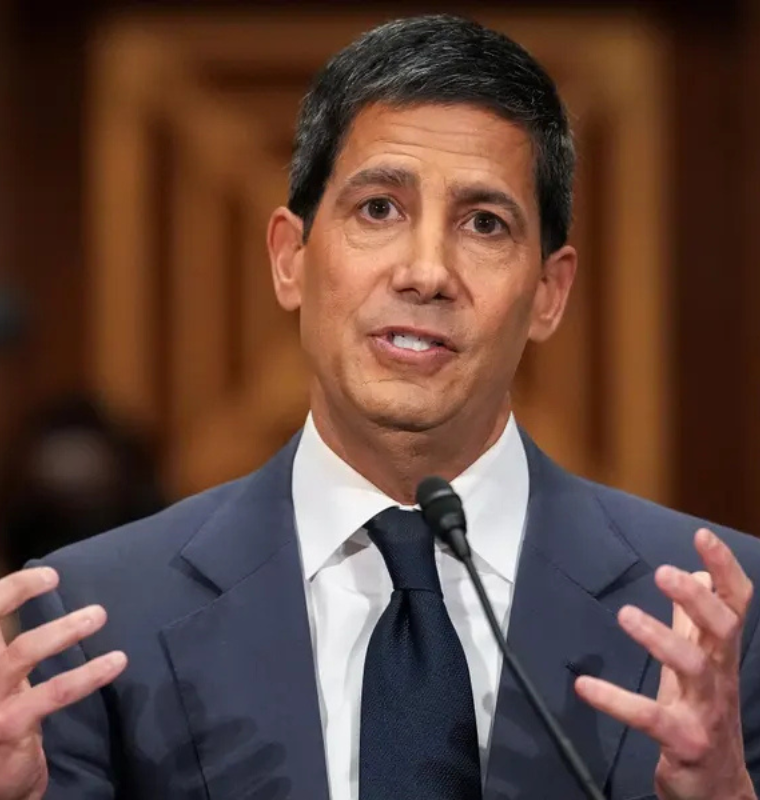
Photo: Bloomberg.com
A high-profile activist battle in the U.K. investment trust space has reached a निर्णative conclusion, with Saba Capital, led by Boaz Weinstein, successfully taking control of Edinburgh Worldwide Investment Trust. The outcome marks one of the most significant shareholder revolts in recent years and could reshape how closed-end funds are managed and valued in public markets.
The victory follows a prolonged and often contentious campaign that centered on performance concerns, valuation gaps, and strategic disagreements over one of the fund’s most valuable holdings.
Shareholder Revolt Reshapes Leadership
In a decisive vote at the trust’s annual general meeting, shareholders backed Saba Capital’s proposal to remove the existing leadership, including chairman Jonathan Simpson-Dent and five other board members.
In their place, three Saba-backed nominees will now help guide the future direction of the fund, effectively giving the activist investor control over governance and strategic decisions.
The shift reflects a broader change in the trust’s shareholder base, with institutional investors playing a critical role in tipping the outcome.
SpaceX Stake at the Heart of the Conflict
A major flashpoint in the dispute was the trust’s exposure to SpaceX, which accounts for roughly 20% of its portfolio and represents one of the most valuable private tech holdings accessible through public markets.
The investment has delivered extraordinary returns, reportedly generating gains of more than 900% since 2018. However, tensions escalated after the board reduced its position, a move Saba criticized as poorly timed given the company’s rising valuation and anticipated IPO.
For many investors, the SpaceX stake was a defining feature of the trust’s appeal, offering rare access to a high-growth private company.
The disagreement over how to manage this asset became symbolic of deeper strategic differences between the board and activist shareholders.
Discount to NAV Sparks Investor Frustration
Another key issue driving the campaign was the trust’s persistent discount to net asset value.
At various points, the fund traded at a significant discount, meaning its market price was well below the value of its underlying assets. Saba argued that this represented substantial value destruction for shareholders and pointed to governance failures as a contributing factor.
While the discount had narrowed somewhat leading up to the vote, it remained a central argument in Saba’s case for change.
The activist fund has now pledged to implement measures aimed at maintaining a tighter valuation gap, including an active share buyback program designed to support the stock price.
Strategic Overhaul Planned Under New Leadership
With control secured, Saba Capital is expected to implement a major strategic shift.
Rather than maintaining a heavy focus on early-stage and private technology investments, the fund is likely to pivot toward a more diversified portfolio consisting largely of U.K.-listed investment trusts with global exposure.
This approach aims to deliver more stable returns while addressing valuation concerns that have weighed on investor sentiment.
Saba has also indicated its intention to position itself as the new manager of the trust, signaling a deeper level of involvement in day-to-day operations and investment decisions.
Changing Shareholder Dynamics Played a Key Role
The outcome of the vote highlights a significant transformation in the trust’s ownership structure.
Over the course of the dispute, many retail and private wealth investors reduced their holdings, while large institutional investors, particularly from the United States, increased their stakes.
By the time of the vote, a small group of institutional shareholders held substantial influence, with several major funds collectively representing around 40% of the share base siding with Saba.
This shift underscores the growing power of institutional capital in shaping corporate governance outcomes, particularly in publicly listed investment vehicles.
Industry-Wide Implications Emerge
The result is expected to have ripple effects across the broader U.K. investment trust sector.
Saba Capital has already built positions in more than 40 listed trusts, raising the possibility of further activist campaigns. The success at Edinburgh Worldwide may embolden similar efforts, putting pressure on boards to improve performance, reduce discounts, and enhance shareholder returns.
Analysts suggest that many trusts could now face increased scrutiny over governance practices and capital allocation decisions.
For the sector as a whole, the episode serves as a reminder that shareholder activism is becoming an increasingly powerful force.
A Divisive Battle Leaves Lasting Impact
The campaign itself was marked by intense exchanges between both sides, with accusations of mismanagement and misleading communication.
Outgoing leadership argued that the activist approach undermined the trust’s long-term investment strategy and risked sacrificing exposure to high-growth technology opportunities. They also warned that the shift could dilute the fund’s unique positioning.
Saba, on the other hand, pointed to underperformance relative to peers and argued that change was necessary to unlock value.
The sharp contrast in perspectives reflects broader debates within the investment community about the balance between long-term vision and short-term shareholder returns.
The Bottom Line
Saba Capital’s takeover of Edinburgh Worldwide Investment Trust represents a turning point for both the fund and the wider investment trust landscape.
The outcome underscores the growing influence of activist investors and highlights the importance of aligning strategy, performance, and shareholder expectations.
As Saba moves to implement its new vision, the focus will shift to execution. Investors will be watching closely to see whether the promised improvements in valuation, governance, and returns can be delivered.
For the industry, the message is clear: in an environment of heightened scrutiny and shifting investor dynamics, standing still is no longer an option.
.webp)
Popular articles



Subscribe to unlock premium content
Step Into the Future of Art

London’s Gourmet Playgrounds

The New Frontier of Children’s Entertainment

Step Into the Future of Art
London’s Gourmet Playgrounds
Step Into the Future of Art