U.S. Greenlights Record Arms Package for Taiwan as Security Pressures Intensify

U.S. Greenlights Record Arms Package for Taiwan as Security Pressures Intensify
By
David Goldfarb
Last updated:
December 18, 2025
First Published:
December 18, 2025

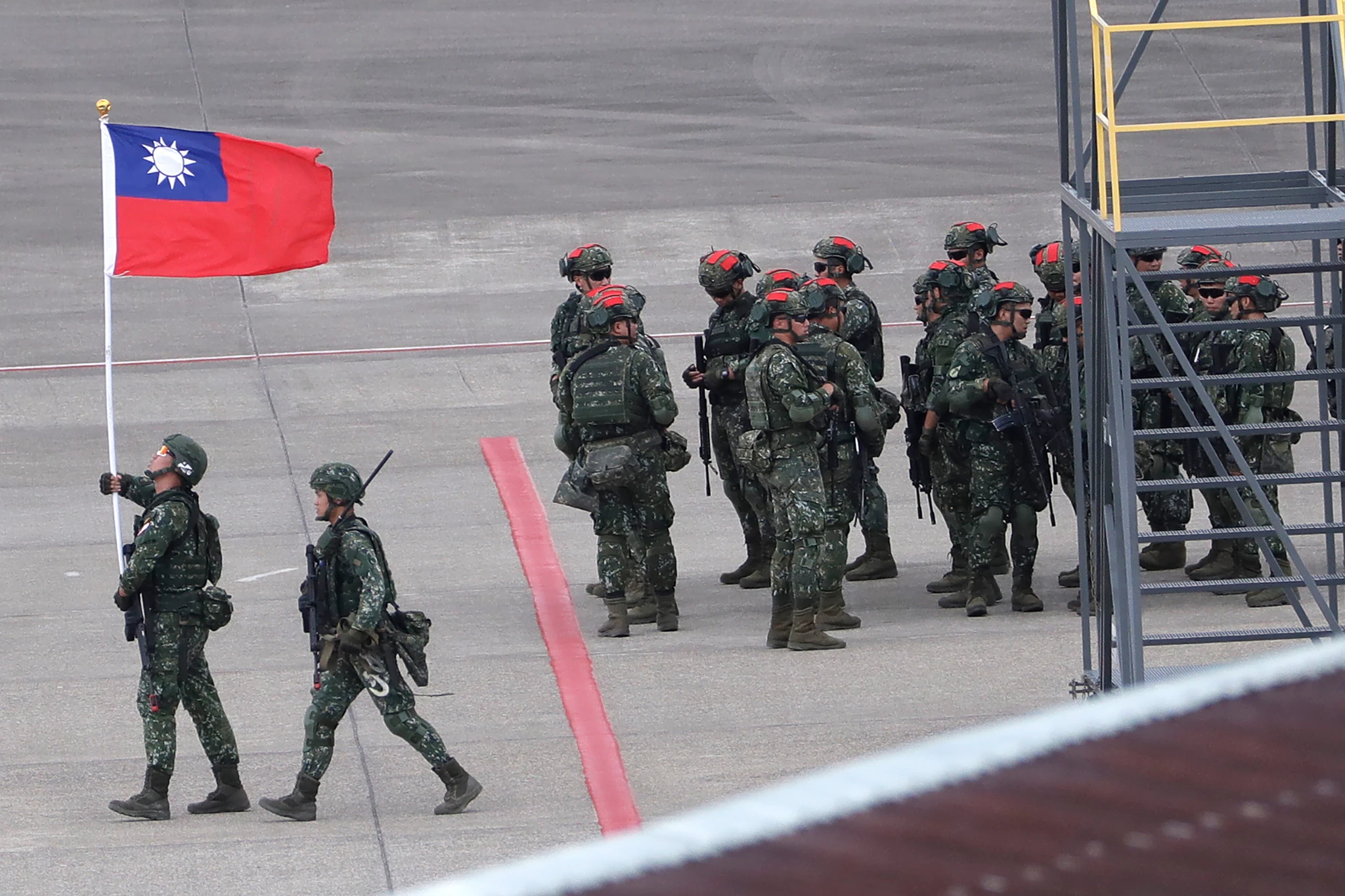
A Landmark Defense Decision
The United States has approved a sweeping $11.15 billion arms sale to Taiwan, marking the largest military package ever authorized for the island. The decision comes as Taiwan faces escalating military pressure from China and as regional tensions continue to reshape security dynamics across the Indo-Pacific.
Taiwan’s Ministry of National Defense confirmed that the package falls under a $40 billion supplementary defense budget announced in November by President Lai Ching-te. The funding is part of a broader strategy to strengthen deterrence and ensure Taiwan can maintain operational readiness amid growing uncertainty.
Taiwan’s Push for Military Readiness
President Lai has made defense modernization a central pillar of his administration. In recent remarks, he pledged to significantly enhance Taiwan’s self-defense capabilities, with the goal of achieving a high level of combat preparedness by 2027. Lai has warned that Beijing could seek to seize the island within that timeframe, citing what he described as China’s unprecedented military buildup.
Taipei has also raised concerns over increased Chinese activity not only around Taiwan but across the East and South China Seas and the wider Indo-Pacific region. Taiwanese officials say these actions signal a more assertive posture that requires urgent countermeasures.
What the Arms Package Includes
The U.S.-approved package spans a wide range of advanced weaponry and support systems designed to strengthen Taiwan’s defensive posture across land, sea, and air domains.
Key components include 82 HIMARS rocket artillery systems valued at approximately $4.05 billion, alongside 420 ATACMS missiles capable of striking targets up to 300 kilometers away. The deal also covers 60 M109A7 self-propelled howitzers and related equipment worth more than $4 billion, significantly enhancing Taiwan’s long-range firepower.
In addition, the package includes Javelin and TOW anti-tank missiles exceeding $700 million in value, unmanned surveillance platforms, military software, and spare parts for helicopters and anti-ship missile systems. Together, these assets are intended to improve Taiwan’s mobility, intelligence, and deterrence capacity.
Rising Military Activity in the Taiwan Strait
The approval comes amid heightened military movements around Taiwan. Earlier this week, Taiwan’s defense ministry reported that China’s Fujian aircraft carrier transited the Taiwan Strait, prompting Taiwanese forces to closely monitor and respond to the situation.
China has conducted multiple large-scale military drills near the island in recent years, frequently framing them as responses to what it calls separatist actions by Taiwan’s leadership. Beijing maintains that Taiwan is part of its territory and has not ruled out the use of force to achieve reunification.
Beijing’s Reaction and Regional Fallout
China’s foreign ministry condemned Taiwan’s increased defense spending, accusing the island’s ruling Democratic Progressive Party of pursuing independence through military means. Beijing insists such efforts are futile and has reiterated that reunification with Taiwan is, in its view, inevitable.
The issue has also spilled into broader regional diplomacy. In November, tensions rose between China and Japan after Japanese Prime Minister Sanae Takaichi suggested that a forced takeover of Taiwan could prompt intervention by Japan’s Self-Defense Forces. Beijing responded sharply, demanding a retraction and advising Chinese citizens against traveling to Japan amid the dispute.
The U.S. Strategy Behind the Sale
While the United States does not have a mutual defense treaty with Taiwan, the 1979 Taiwan Relations Act obligates Washington to provide defensive weapons necessary for Taiwan to maintain sufficient self-defense capabilities. Analysts view the latest arms sale as a continuation of that policy, aimed at preserving stability through deterrence rather than direct military commitments.
Geopolitical strategists say the move also reflects Washington’s balancing act with Beijing. By reinforcing Taiwan’s defenses while keeping diplomatic and trade channels open with China, the U.S. is signaling that it seeks to deter conflict without closing the door to broader engagement.
A Defining Moment for Regional Security
The record-breaking arms sale underscores how central Taiwan has become to global security calculations. For Taipei, it represents a major step toward strengthening deterrence and safeguarding sovereignty. For Beijing, it is another flashpoint in an already strained relationship with Washington and its regional partners.
As military activity intensifies and political rhetoric hardens, the implications of this decision are likely to resonate far beyond Taiwan, shaping strategic alignments across Asia for years to come.

Popular articles


Subscribe to unlock premium content
The New Wave of Superyacht Ownership

Micro-Experience Convenience Stores Are Reinventing Quick Stops

Custom Vans for Digital Nomads Redefine Mobility

The New Wave of Superyacht Ownership
Micro-Experience Convenience Stores Are Reinventing Quick Stops
The New Wave of Superyacht Ownership