
U.S. and China Hold Productive Economic Talks in Paris Ahead of Trump–Xi Summit

U.S. and China Hold Productive Economic Talks in Paris Ahead of Trump–Xi Summit
By
Rachel Steinberg
Last updated:
March 16, 2026
First Published:
April 25, 2026

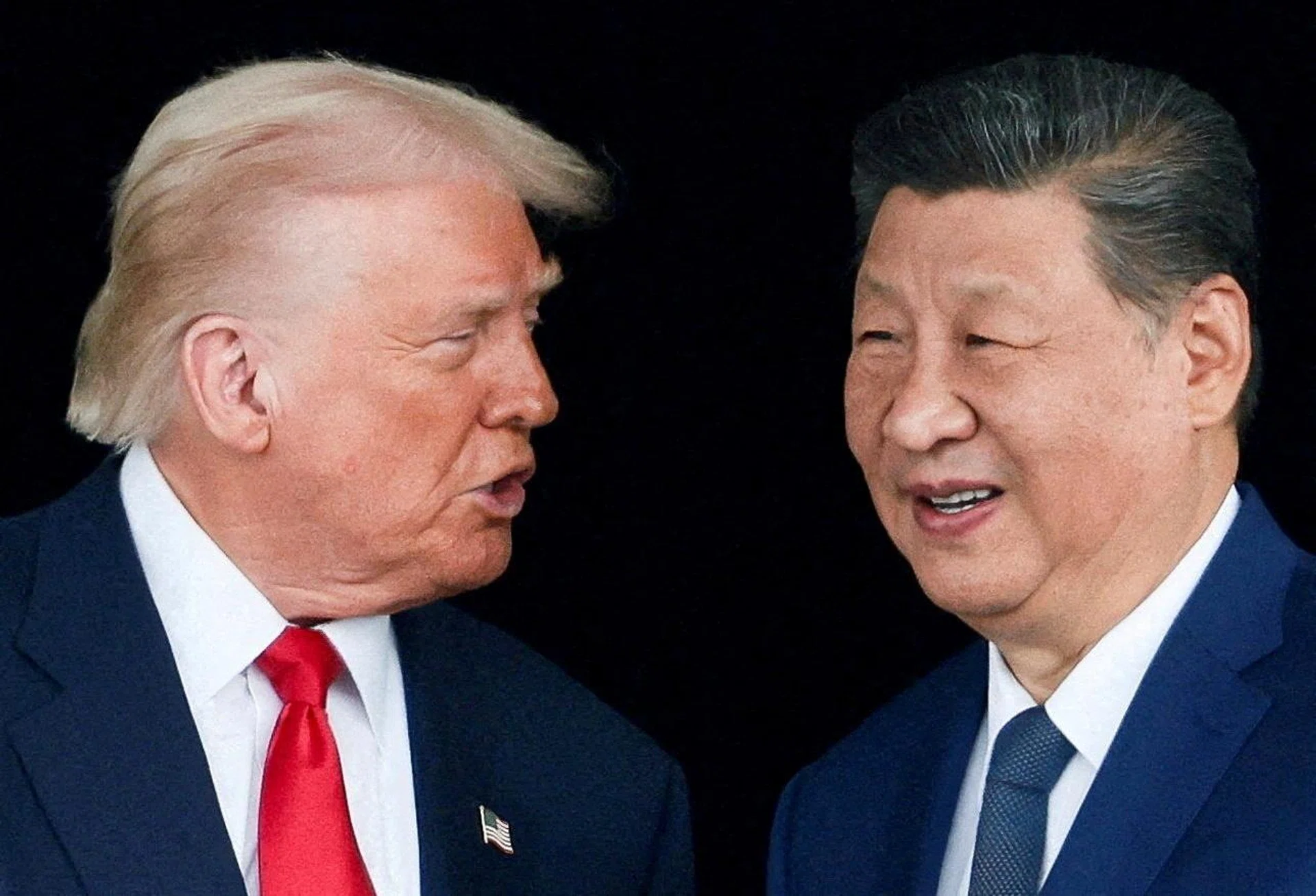
Photo: The Business Times
Senior economic officials from the United States and China held what sources described as “remarkably stable” negotiations in Paris over the weekend, signaling renewed efforts by both nations to ease tensions and identify areas of economic cooperation ahead of a potential summit between President Donald Trump and President Xi Jinping later this month.
The discussions brought together U.S. Treasury Secretary Scott Bessent and Chinese Vice Premier He Lifeng, two key figures responsible for managing the economic relationship between the world’s largest and second largest economies. The meeting took place at the headquarters of the Organisation for Economic Co-operation and Development in Paris and focused on a range of sensitive economic topics, including agricultural trade, strategic minerals, and the possibility of new frameworks to manage bilateral commerce.
While no final agreements were announced, officials familiar with the talks said the meeting produced several potential proposals that could be presented to Trump and Xi when they meet in Beijing at the end of March. The outcome of those discussions will ultimately depend on decisions made at the presidential level.
Renewed Focus on Agricultural Trade
Agricultural imports were among the most significant areas of discussion during the Paris negotiations. According to sources familiar with the talks, Chinese officials indicated openness to expanding purchases of several American farm products, including poultry, beef, and various grain crops beyond soybeans.
Agriculture has historically been one of the largest components of U.S. exports to China. In recent years, American farmers have shipped tens of billions of dollars worth of crops to the Chinese market annually, with soybeans representing the largest share.
China already remains a major buyer of U.S. soybeans, which are used primarily for animal feed and cooking oil. Sources close to the negotiations indicated that Beijing remains committed to purchasing approximately 25 million metric tons of American soybeans each year for the next three years, a volume that would represent a substantial portion of total U.S. soybean exports.
Expanding purchases of other agricultural products could provide a significant boost to American farmers, particularly those producing poultry, beef, and specialty crops. U.S. agricultural exports to China have fluctuated in recent years due to tariffs, trade disputes, and shifting domestic demand, making stability in the sector a key priority for policymakers.
Talks Aim to Stabilize U.S.–China Economic Relations
Officials described the tone of the Paris negotiations as candid but constructive, with both sides focused on rebuilding stability in the economic relationship. The United States and China together account for more than 40 percent of global economic output, meaning shifts in their trade policies can significantly affect global markets.
Over the past several years, tensions between Washington and Beijing have intensified over issues ranging from tariffs and technology restrictions to supply chain security and geopolitical competition. As a result, both governments have increasingly sought mechanisms to manage disputes and prevent sudden economic disruptions.
Sunday’s meeting followed a series of previous discussions held over the past year involving Bessent, He Lifeng, U.S. Trade Representative Jamieson Greer, and China’s chief trade negotiator Li Chenggang. Those talks have focused on creating more predictable communication channels and reducing the risk of abrupt policy changes.
Participants familiar with the meeting said the latest negotiations continued that trend, describing the atmosphere as unusually stable compared with earlier rounds of talks.
Proposed Trade Oversight Mechanisms Under Discussion
One of the most notable proposals emerging from the Paris meeting involves the potential creation of new institutional mechanisms to oversee trade and investment between the two countries.
Officials discussed the idea of establishing a U.S.–China Board of Trade, a formal platform that could help identify sectors where both economies can expand commercial exchange while maintaining national security safeguards.
The proposed board would likely focus on industries where cooperation could increase trade volumes without threatening strategic supply chains. By identifying mutually beneficial sectors, policymakers hope to avoid the kinds of broad tariff conflicts that characterized earlier phases of the U.S.–China trade dispute.
In addition to the trade board, negotiators also explored the concept of a Board of Investment, which would address specific investment related concerns between companies operating in both markets. Rather than setting broad investment policies, the body would focus on resolving particular issues that arise between businesses and regulators.
Technical discussions on both proposals were expected to continue in follow up meetings following the Paris talks.
Strategic Minerals Also Part of Negotiations
Beyond agriculture and trade management frameworks, the discussions also touched on access to critical minerals, which have become an increasingly important issue in global supply chains.
Chinese production dominates several rare earth and specialty mineral markets that are essential for advanced manufacturing technologies. These materials are widely used in electronics, renewable energy systems, defense technologies, and aerospace equipment.
During the talks, U.S. officials reportedly raised concerns about American companies’ access to certain Chinese produced minerals. One example discussed was yttrium, a rare earth element used in high temperature coatings for jet engine turbines as well as in electronics and energy technologies.
Supply constraints for materials like yttrium have raised concerns among U.S. aerospace manufacturers, which rely on stable access to specialized minerals for aircraft production and defense equipment.
Sources familiar with the discussions said both sides explored ways to ease some of these supply concerns, although no specific agreements were disclosed.
Energy and Aviation Purchases on the Agenda
American negotiators also used the meeting to emphasize Washington’s interest in expanding Chinese purchases of certain U.S. industrial exports. Among the products discussed were commercial aircraft and energy resources.
Officials highlighted the potential for China to increase orders of Boeing aircraft, which have historically been among the largest high value exports from the United States to Chinese airlines. The aerospace sector has faced challenges in recent years due to trade tensions and regulatory hurdles, making new orders an important objective for U.S. policymakers.
Energy exports were also part of the discussion. American officials reportedly encouraged China to expand purchases of U.S. coal, crude oil, and liquefied natural gas, which could help reduce trade imbalances while providing China with diversified energy supplies.
The United States has become one of the world’s largest energy exporters in recent years, particularly in liquefied natural gas, making energy trade a potentially significant area for future cooperation.
Next Steps Ahead of Trump–Xi Meeting
While the Paris talks did not produce any immediate agreements, they appear to have laid the groundwork for possible announcements during the upcoming meeting between Presidents Trump and Xi.
Diplomatic observers say such preparatory negotiations are typical before high level summits, as officials work to identify policy areas where both sides may be able to claim progress.
The final outcome will ultimately depend on political decisions made by the two leaders. However, the willingness of both governments to explore expanded trade in agriculture, energy, and manufacturing suggests that economic stability remains a shared priority.
For global markets, the tone of the discussions offers a potentially positive signal. Improved cooperation between the United States and China could help reduce uncertainty in global trade, stabilize supply chains, and provide greater predictability for businesses operating across the world’s two largest economies.
.webp)
Popular articles



Subscribe to unlock premium content
How Finland Uses Ice Swimming Festivals to Boost Winter Tourism and Local Economies

The Boom of Luxury Personal Libraries Renting Rare Books to the Ultra-Wealthy

Why Bhutan’s Hand-Woven Textiles Are Gaining Global Collector Value

How Finland Uses Ice Swimming Festivals to Boost Winter Tourism and Local Economies
The Boom of Luxury Personal Libraries Renting Rare Books to the Ultra-Wealthy
How Finland Uses Ice Swimming Festivals to Boost Winter Tourism and Local Economies


