Trump’s High-Stakes Iran Strategy Sends Global Markets Into Turmoil

Trump’s High-Stakes Iran Strategy Sends Global Markets Into Turmoil
By
Alina Sinclair
Last updated:
April 6, 2026
First Published:
April 25, 2026

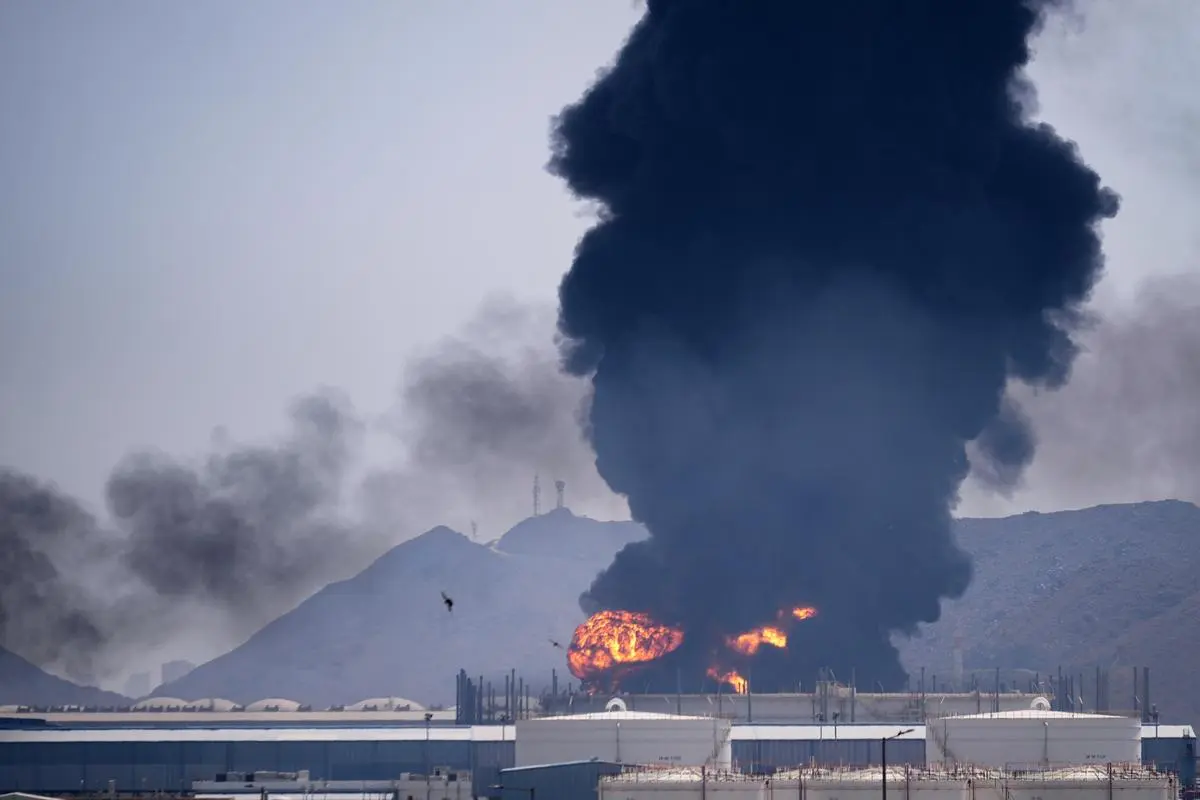
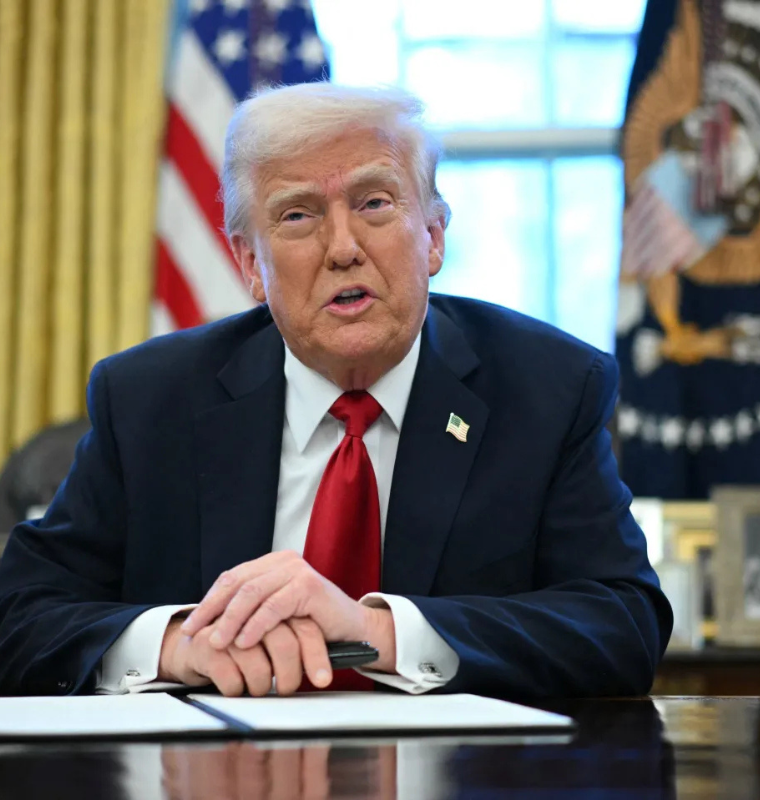
Global markets are entering a critical week defined by uncertainty, as President Donald Trump delivers sharply contrasting messages on Iran—pairing aggressive military warnings with cautious optimism about a potential diplomatic resolution. The result is a fragile investment environment where traders are forced to price in two radically different outcomes: a sudden de-escalation or a severe geopolitical escalation that could reshape global energy and financial markets.
At the center of the crisis lies the Strait of Hormuz, a strategic chokepoint responsible for nearly 20% to 25% of global oil shipments and roughly one-fifth of liquefied natural gas flows. Trump has issued a strict deadline demanding the waterway be reopened, warning of severe consequences if compliance is not met. Yet, almost simultaneously, he has suggested that a deal with Iran could materialize within days—creating a volatile mix of hope and fear across financial markets.
Iran, however, has pushed back firmly, insisting that any reopening of the strait would require compensation for war-related damages. Over the weekend, tensions escalated further with continued military activity across the Gulf region, including reported strikes targeting critical oil infrastructure. This ongoing conflict has amplified the stakes for global markets, particularly in energy and fixed income sectors.
Markets Caught Between Optimism and Panic
Investors are navigating one of the most unpredictable macro environments in recent years. The S&P 500 surged 3.4% last week—its strongest performance since late 2025—as traders rushed to buy undervalued assets on expectations of a diplomatic breakthrough. However, this optimism is being tempered by rising volatility.
The Cboe Volatility Index, often referred to as Wall Street’s “fear gauge,” has climbed from below 20 before the conflict to around 24, signaling heightened anxiety and increased hedging activity. Market participants are increasingly relying on short-term strategies, reacting rapidly to headlines rather than long-term fundamentals.
This environment reflects a broader shift toward event-driven trading, where geopolitical developments outweigh traditional economic indicators. As a result, price swings in equities, commodities, and currencies have become sharper and more frequent.
Oil Markets Near Crisis Levels
Energy markets are experiencing some of the most dramatic movements. Brent crude prices have surged to nearly $110 per barrel, representing a 50% increase since the conflict began. Meanwhile, West Texas Intermediate has climbed even higher, jumping approximately 66% to exceed $111 per barrel.
Despite a slight recovery in shipping activity, traffic through the Strait of Hormuz remains about 90% to 95% below normal levels. This severe disruption continues to choke global supply chains, driving up transportation costs and energy prices worldwide.
Attempts to stabilize the market have so far fallen short. OPEC+ recently announced a production increase of 206,000 barrels per day, but analysts widely agree that this adjustment is insufficient to offset the massive supply shock caused by the ongoing conflict.
Even in a best-case scenario where the strait reopens soon, the structural damage to supply chains and market confidence is expected to linger. Energy markets are likely to remain highly sensitive to geopolitical developments, with prices reacting sharply to any new information.
Rising Inflation and the Threat of Stagflation
The prolonged disruption in energy supplies is already feeding into global inflation. Higher oil prices are translating into increased costs for transportation, manufacturing, and consumer goods, creating inflationary pressure across both developed and emerging economies.
Economists warn that if the conflict continues or intensifies, the world could face a classic stagflation scenario—characterized by rising prices and slowing economic growth. Early indicators suggest that inflation expectations are beginning to shift upward, particularly in major economies like the United States and Europe.
This creates a complex policy dilemma for central banks, which may be forced to keep interest rates higher for longer, even as economic growth weakens.
Bond Markets Signal Growing Stress
While equity markets have drawn most of the attention, the bond market is quietly flashing warning signs. The yield on the U.S. 10-year Treasury has climbed to approximately 4.36%, up from around 3.96% before the conflict began. This sharp increase reflects investors’ reassessment of inflation risks and expectations for fewer interest rate cuts in 2026.
Higher yields are effectively tightening financial conditions, making borrowing more expensive for businesses and consumers. This could slow investment and economic activity at a time when markets are already under pressure.
Some analysts also point to the re-emergence of so-called “bond vigilantes”—investors who push yields higher in response to fiscal and inflation concerns. Their actions can amplify market instability, particularly during periods of geopolitical stress.
Gold Faces Conflicting Pressures
Traditionally viewed as a safe-haven asset, gold has delivered an unexpected performance during this crisis. Prices have fallen roughly 10% to 12% since the conflict began, currently trading near $4,670 per ounce.
This decline highlights a complex dynamic: while geopolitical uncertainty typically boosts demand for gold, a stronger U.S. dollar and rising Treasury yields are offsetting that effect. As yields increase, non-interest-bearing assets like gold become less attractive, while a stronger dollar makes gold more expensive for international buyers.
The result is a tug-of-war between safe-haven demand and macroeconomic headwinds, leaving gold prices relatively subdued despite the heightened global risk environment.
What Comes Next for Investors
As the deadline for Iran approaches, markets are expected to remain highly reactive and volatile. Reports of potential backchannel negotiations, including discussions of a temporary 45-day ceasefire, have provided some optimism, but the probability of a quick resolution remains uncertain.
In the short term, investors are closely monitoring key economic data, particularly U.S. inflation indicators such as the Personal Consumption Expenditures index. These figures will offer critical insight into whether rising energy costs are feeding into broader price pressures.
Looking ahead, the global financial landscape is likely to remain dominated by geopolitical developments rather than traditional economic drivers. Whether the outcome is a diplomatic breakthrough or a prolonged conflict, the effects will extend far beyond the Middle East—impacting energy markets, inflation trends, and investment strategies worldwide.
For now, the dominant strategy across markets is caution. With uncertainty at elevated levels and outcomes increasingly binary, investors are adopting a wait-and-watch approach, prepared to pivot quickly as new developments unfold.
.webp)
Popular articles



Subscribe to unlock premium content
The Hidden World of Ultra-Rare Seaweed Farming
Riding Waves and Wealth in Bali

The Market for Renting Private Libraries Where Only Rare, Unpublished Manuscripts Exist

The Hidden World of Ultra-Rare Seaweed Farming
Riding Waves and Wealth in Bali
The Hidden World of Ultra-Rare Seaweed Farming