
Trump Slams UK Over Chagos Deal, Straining the ‘Special Relationship’

Trump Slams UK Over Chagos Deal, Straining the ‘Special Relationship’
By
Rachel Steinberg
Last updated:
January 21, 2026
First Published:
April 25, 2026

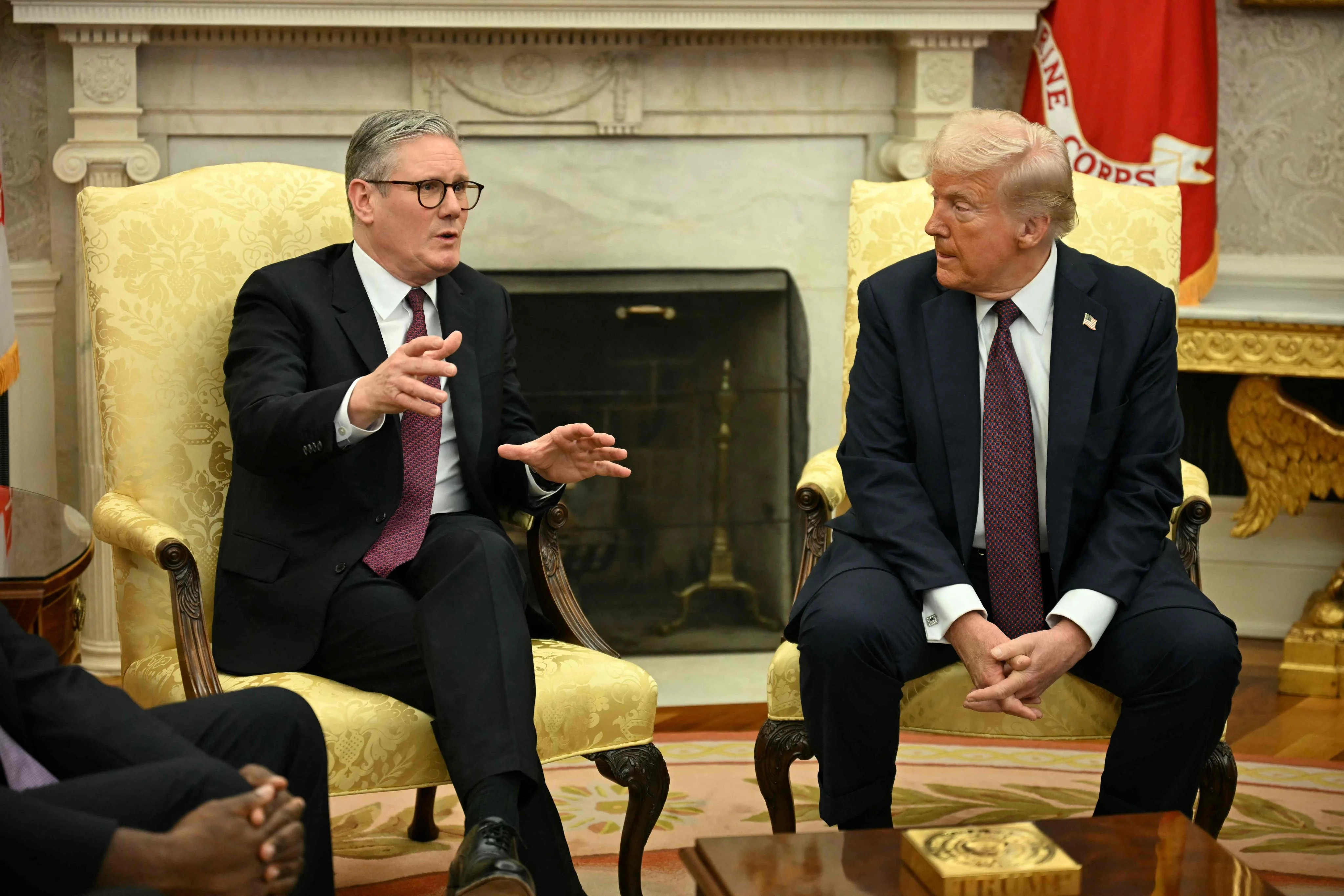
U.S. President Donald Trump has launched a fresh and unusually blunt attack on a NATO ally, this time targeting the United Kingdom, as tensions between Washington and Europe continue to escalate over security, trade, and territorial disputes. His remarks, delivered just ahead of his appearance at the World Economic Forum in Davos, have placed renewed strain on the long-touted “special relationship” between the U.S. and the UK.
At the center of the dispute is Britain’s decision to transfer sovereignty of the Chagos Islands to Mauritius, a move Trump publicly condemned despite earlier backing from his own administration.
Chagos Islands deal triggers White House backlash
The controversy revolves around the Chagos Islands in the Indian Ocean, which include Diego Garcia, home to one of the most strategically important joint UK-U.S. military bases. Under an agreement reached in May 2025, the UK agreed to hand sovereignty of the islands to Mauritius while retaining long-term access to the Diego Garcia base through a lease arrangement.
As part of the deal, Britain will pay approximately £101 million, or about $136 million, per year to lease the base, ensuring continued military operations for decades. The arrangement was designed to resolve longstanding legal challenges and international court rulings that had weakened the UK’s claim to the territory.
While the White House expressed support for the agreement last year, Trump dramatically reversed course this week.
Trump escalates rhetoric on social media
In a post on his Truth Social platform, Trump described the UK’s decision as “an act of great stupidity,” arguing that handing sovereignty to Mauritius undermines Western security interests. He claimed the move would be interpreted as weakness by geopolitical rivals such as China and Russia, which he said only respect displays of strength.
Trump went further, linking the Chagos decision to his broader argument for acquiring Greenland, suggesting that Europe’s actions repeatedly demonstrate why the U.S. must act unilaterally to protect its strategic interests. He urged Denmark and other European allies opposing his Greenland ambitions to “do the right thing.”
The comments marked one of the sharpest public rebukes of the UK by a sitting U.S. president in recent years.
UK pushes back, defends national security
The British government responded swiftly, rejecting Trump’s characterization and reaffirming its commitment to national and allied security. A UK government spokesperson said Britain would never compromise on security interests and stressed that the Chagos agreement was necessary to safeguard the future of the Diego Garcia base.
According to the UK, recent court decisions had undermined its legal position over the islands and threatened the long-term operability of the base. The sovereignty transfer, paired with a binding lease, was seen as the most viable way to protect both UK and U.S. military interests in the region.
Prime Minister Keir Starmer has consistently emphasized diplomacy and legal stability, particularly when dealing with allies.
Growing rift among NATO allies
Trump’s attack on the UK comes amid a widening rift between the U.S. and several European NATO members. The president has repeatedly clashed with Denmark, France, and others over Greenland, a self-governing Danish territory in the Arctic that Trump has said the U.S. must acquire for national security reasons.
Despite firm opposition from Greenland, Denmark, and the European Union, Trump has refused to rule out military force and has threatened at least eight European NATO allies with escalating tariffs if they continue to block his plans.
Earlier this week, Trump also warned France that it could face tariffs of up to 200 percent on wine and Champagne exports, further inflaming tensions across the Atlantic.
UK seeks de-escalation and dialogue
The UK has positioned itself as a moderating voice, urging restraint and dialogue between Washington and Europe. Speaking from Downing Street, Starmer reiterated that Britain values its close relationship with the United States but stressed that decisions about Greenland belong solely to the people of Greenland and the Kingdom of Denmark.
He warned that threatening allies with tariffs or coercion undermines the principles of trust and cooperation that underpin NATO and global stability. Starmer also confirmed that he raised these concerns directly with Trump during a phone call over the weekend.
Despite the sharp rhetoric, Starmer and Trump have historically maintained a cordial relationship. The UK was the first country to secure a trade deal with Washington last year, aided by Trump’s personal warmth toward Britain and a high-profile state visit marked by extensive ceremony.
Trade, security, and diplomacy collide
Trump’s latest remarks underscore how trade policy, military strategy, and personal diplomacy have become deeply intertwined under his leadership. By linking the Chagos Islands, Greenland, and tariff threats, the president has signaled that traditional alliances may increasingly be tested by transactional demands.
For the UK and its European partners, the challenge now is preserving strategic cooperation with the U.S. while pushing back against rhetoric and policies they see as destabilizing. With Davos underway and global leaders watching closely, the episode highlights the fragile state of transatlantic relations at a time of rising geopolitical uncertainty.
.webp)
Popular articles



Subscribe to unlock premium content
Crypto in the Arctic
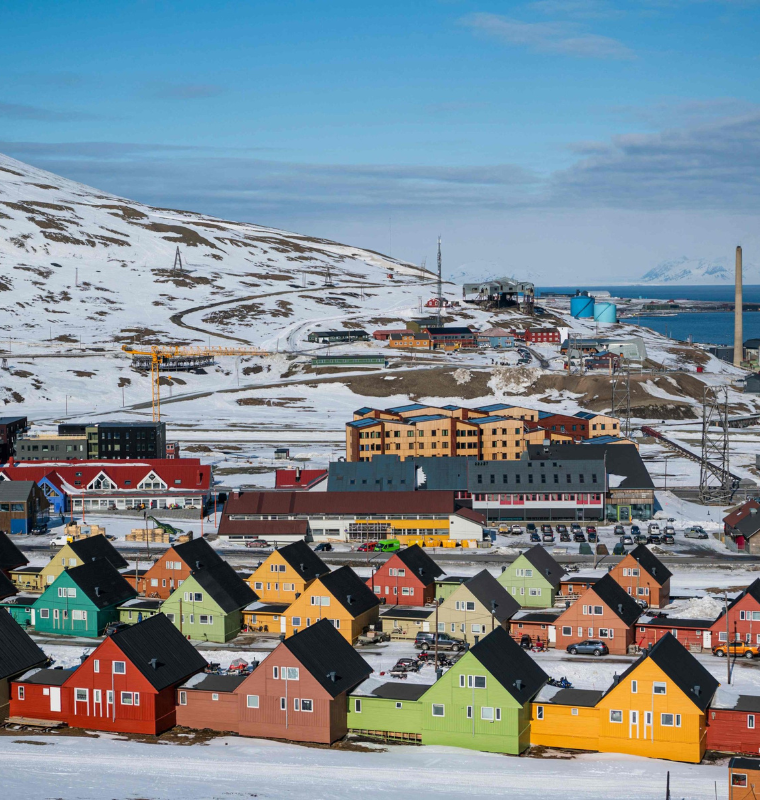
Iceland’s Seaweed Revolution
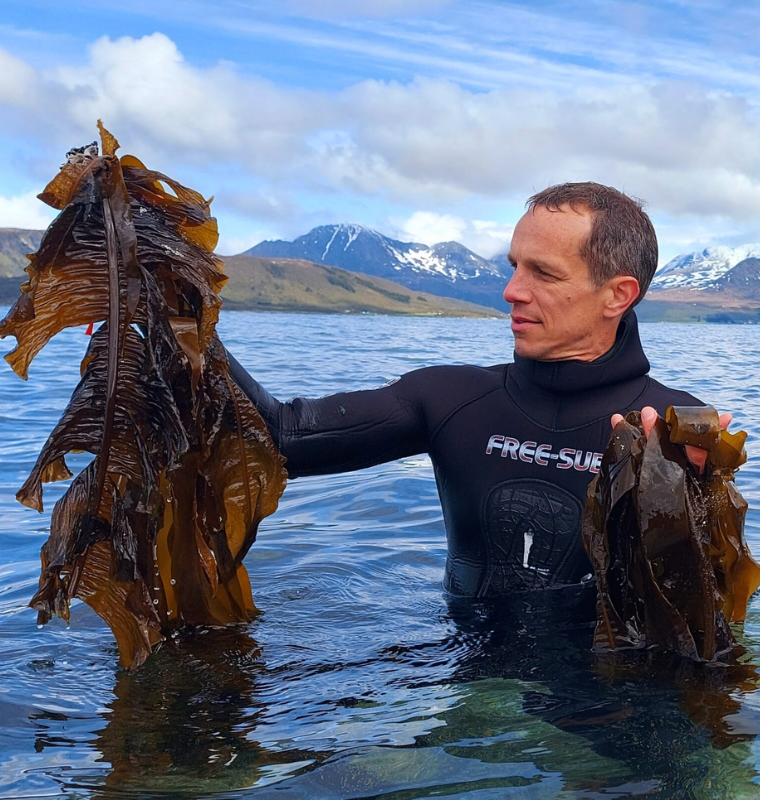
Private Island Rentals for Corporate Retreats Hit $1 Billion
Crypto in the Arctic
Iceland’s Seaweed Revolution
Crypto in the Arctic


