
Trump Raises Possibility of Postponing China Summit Amid Pressure Over Strait of Hormuz

Trump Raises Possibility of Postponing China Summit Amid Pressure Over Strait of Hormuz
By
David Goldfarb
Last updated:
March 16, 2026
First Published:
April 25, 2026

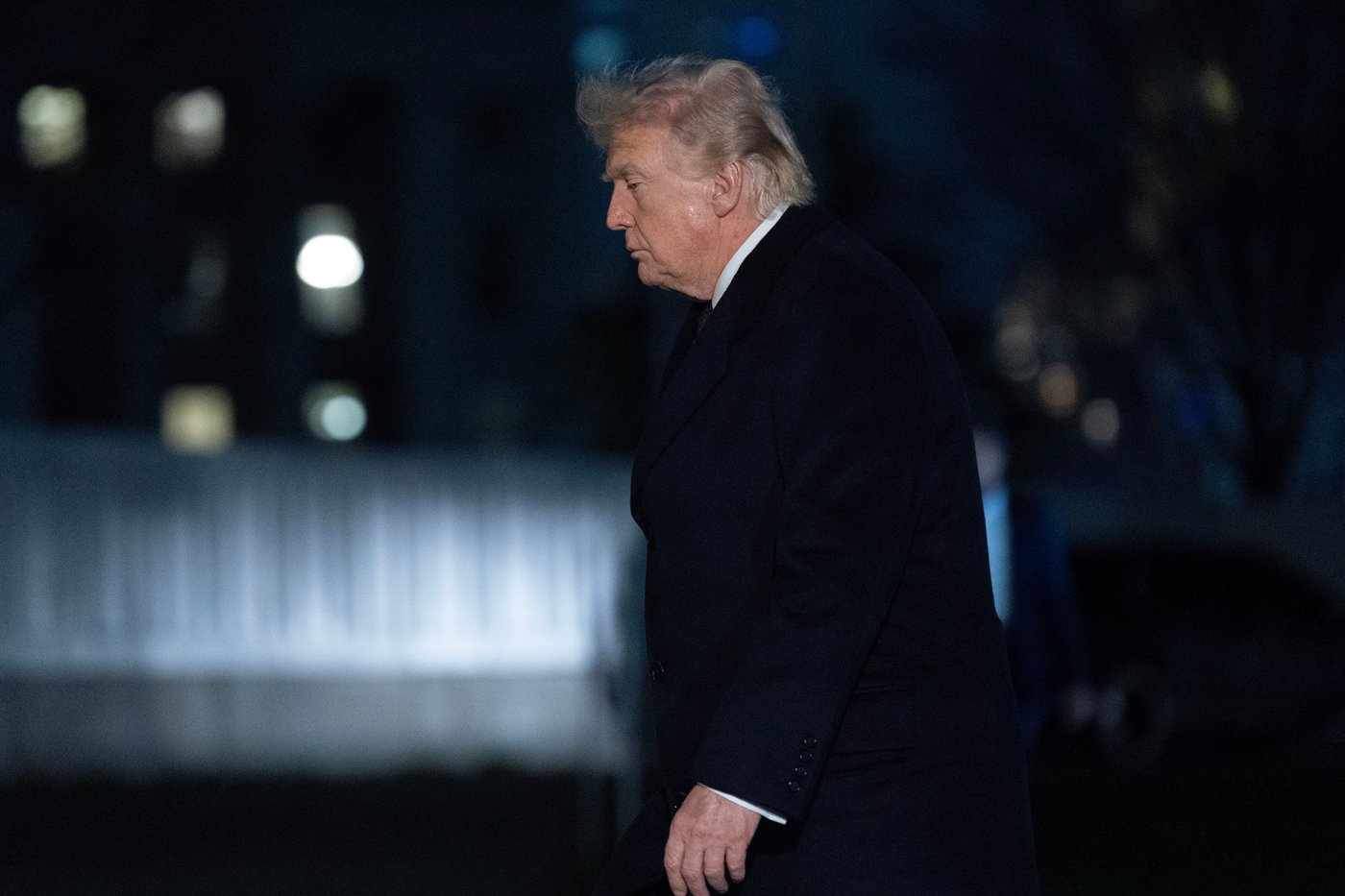
U.S. President Donald Trump has indicated that his upcoming diplomatic visit to China could be postponed as Washington increases pressure on Beijing to play a more active role in reopening the Strait of Hormuz, one of the world’s most strategically important oil shipping routes.
The comments signal rising geopolitical tension between the United States and China just weeks before a planned summit between Trump and Chinese President Xi Jinping in Beijing. The meeting, tentatively scheduled to take place between March 31 and April 2, is expected to address a wide range of issues including global trade, energy security, and the evolving conflict in the Middle East.
Trump suggested that progress on stabilizing the Strait of Hormuz could influence whether the summit proceeds as planned, highlighting the growing connection between global energy security and U.S.–China diplomacy.
Summit Timing Now Uncertain
Speaking in an interview with the Financial Times, Trump said the possibility of delaying the Beijing trip remains on the table as Washington evaluates Beijing’s willingness to cooperate on the crisis surrounding the Strait of Hormuz.
The narrow waterway, located between Iran and Oman, is one of the most critical energy chokepoints in the world. Roughly 20 percent of global oil shipments pass through the strait each day, making it essential to the stability of international energy markets.
Trump suggested that the United States expects China to contribute to efforts aimed at ensuring the shipping lane remains open. Without clearer progress on that front, the president indicated that his visit to Beijing could be pushed back.
The comments came just two weeks before the scheduled summit, which would mark the first visit by a sitting U.S. president to China since Trump’s earlier trip in 2017 during his first term in office.
Diplomatic Talks Continue Behind the Scenes
Despite the uncertainty surrounding the summit’s timing, diplomatic activity between the two countries has continued in recent days. U.S. Treasury Secretary Scott Bessent and Chinese Vice Premier He Lifeng held economic discussions in Paris as part of broader preparations for the potential meeting between the two leaders.
China has not formally confirmed the dates for the summit, following its usual practice of announcing major diplomatic visits closer to their scheduled start.
The meeting would come several months after Trump and Xi last met in the South Korean city of Busan. During that encounter, the two leaders agreed to a one year truce in an escalating trade conflict that had previously seen tariffs between the two countries rise dramatically, at times reaching triple digit levels on certain products.
Chinese Foreign Minister Wang Yi has previously indicated that preparations for the summit were already underway and that the agenda for discussions had largely been outlined.
U.S. Appeals for Global Cooperation on Hormuz
Trump has publicly called on several major economies to support efforts aimed at keeping the Strait of Hormuz open and secure. In addition to China, the United States has reportedly approached European and Asian governments to encourage greater cooperation on safeguarding maritime traffic through the region.
The strategic importance of the waterway stems from its role as a key export route for oil produced in the Middle East. Major energy exporters including Saudi Arabia, Iraq, Kuwait, and the United Arab Emirates rely heavily on tankers passing through the strait to reach global markets.
Any disruption to this shipping corridor can quickly push oil prices higher and trigger volatility across financial markets.
Trump has argued that China has a strong incentive to help stabilize the region, suggesting that the country relies heavily on oil shipments passing through the strait.
China’s Energy Exposure May Be More Limited
However, several energy analysts and policy experts say the reality of China’s energy exposure is more complex than the president’s remarks suggest.
Over the past two decades, China has invested heavily in diversifying its energy supply chain. The country has expanded oil imports from multiple regions, developed strategic petroleum reserves, and increased investments in renewable energy technologies.
As a result, China may be better insulated from potential disruptions in the Strait of Hormuz than previously assumed.
Estimates indicate that China currently holds approximately 1.2 billion barrels of crude oil in onshore storage facilities, enough to cover national demand for roughly three to four months in the event of a supply interruption.
In addition, only a portion of China’s oil imports actually pass through the strait. Studies suggest that shipments through Hormuz represent less than half of China’s seaborne crude imports, and account for only about 6.6 percent of the country’s total energy consumption.
These figures suggest that while a closure of the strait would still affect global markets, China may have greater flexibility in managing supply disruptions compared with many other economies.
Continued Oil Flows From Iran to China
Satellite tracking data from maritime intelligence firms indicates that crude oil shipments from Iran to China have continued despite the broader regional tensions triggered by the ongoing conflict.
Iran has remained one of China’s key energy suppliers in recent years, particularly as Western sanctions have limited the number of buyers willing to purchase Iranian oil.
These shipments often occur through complex trading networks and shipping arrangements, allowing Iranian crude to reach Chinese refineries even during periods of heightened geopolitical pressure.
The continuation of these flows highlights the complicated economic ties that persist between the two countries, even as diplomatic tensions rise between Beijing and Washington.
Analysts Question Whether Summit Delay Is Likely
Some geopolitical analysts believe Trump’s suggestion that the Beijing summit could be postponed may be primarily a negotiating tactic rather than a serious threat to cancel the meeting.
Experts argue that China is unlikely to deploy naval forces to help reopen the Strait of Hormuz, particularly given Beijing’s longstanding policy of avoiding direct military involvement in conflicts outside its immediate region.
At the same time, analysts note that the summit itself could serve as a valuable platform for both leaders to address broader geopolitical tensions and discuss economic cooperation.
From this perspective, the possibility of delaying the meeting may be intended to increase diplomatic leverage rather than signal an actual cancellation.
Rising Trade Tensions Add to the Pressure
The diplomatic maneuvering surrounding the summit is also taking place against the backdrop of renewed trade tensions between the two countries.
The United States recently launched a series of trade investigations targeting multiple countries over concerns related to industrial overcapacity and allegations of forced labor in supply chains.
Chinese officials strongly criticized the investigations, arguing that Washington was abusing trade laws to impose unilateral pressure on its trading partners.
China’s Ministry of Commerce issued a statement condemning the probes as discriminatory and inconsistent with international trade rules. The ministry also confirmed that Beijing had formally lodged complaints with U.S. authorities and warned that it would take steps to defend its economic interests if necessary.
Global Stakes for the Upcoming Summit
The potential meeting between Trump and Xi carries significant global implications. The United States and China together represent the two largest economies in the world, and their relationship influences everything from global trade flows to energy markets and financial stability.
If the summit proceeds as planned, discussions are expected to address not only the Strait of Hormuz crisis but also broader issues including supply chain resilience, trade imbalances, and the future of technological competition between the two countries.
With geopolitical tensions rising and global markets closely watching developments, the outcome of these diplomatic efforts could shape economic relations between Washington and Beijing for years to come.
.webp)
Popular articles



Subscribe to unlock premium content
How Finland Uses Ice Swimming Festivals to Boost Winter Tourism and Local Economies

The Boom of Luxury Personal Libraries Renting Rare Books to the Ultra-Wealthy

Why Bhutan’s Hand-Woven Textiles Are Gaining Global Collector Value

How Finland Uses Ice Swimming Festivals to Boost Winter Tourism and Local Economies
The Boom of Luxury Personal Libraries Renting Rare Books to the Ultra-Wealthy
How Finland Uses Ice Swimming Festivals to Boost Winter Tourism and Local Economies


