Trump Launches $10 Billion Lawsuit Against BBC Over Panorama Documentary

Trump Launches $10 Billion Lawsuit Against BBC Over Panorama Documentary
By
Junia Wells
Last updated:
December 16, 2025
First Published:
December 16, 2025

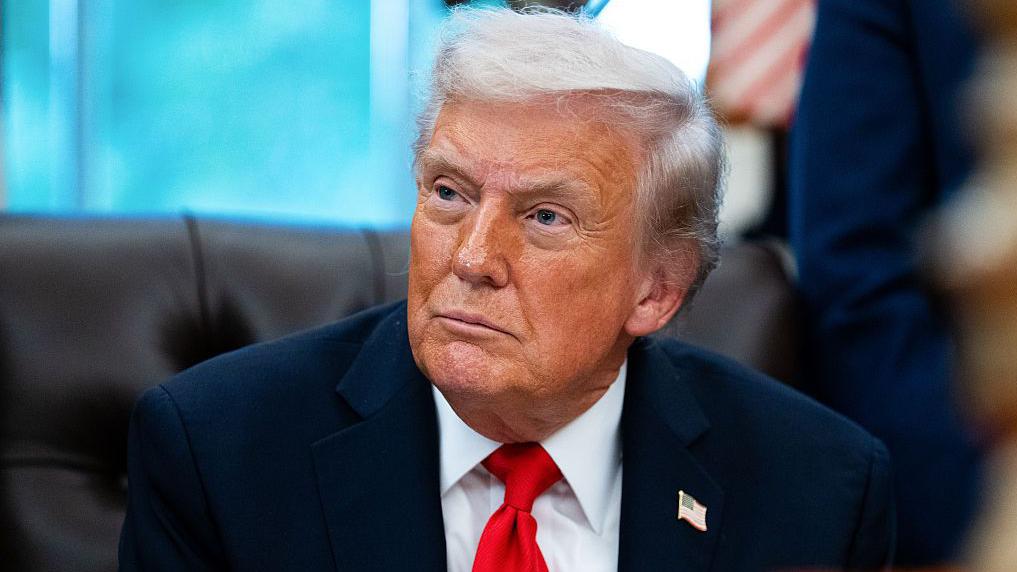
Photo: BBC
Lawsuit Filed in U.S. Federal Court
President Donald Trump has filed a 10 billion dollar defamation lawsuit against the British Broadcasting Corporation alleging that the public broadcaster deliberately manipulated footage in a Panorama documentary to damage him politically ahead of the 2024 presidential election.
The lawsuit was filed Monday night in federal court in Miami and centers on a documentary titled Trump A Second Chance which aired one week before voters went to the polls. Trump claims the program presented a distorted and misleading portrayal of his words and actions particularly in relation to the events of Jan. 6 2021.
Core Allegations Against the BBC
According to the civil complaint the BBC produced what Trump describes as a false deceptive and malicious depiction intended to portray him as directly encouraging violence at the U.S. Capitol. The suit alleges that the broadcaster edited together portions of Trump’s speech delivered outside the White House on Jan. 6 in a way that fundamentally altered its meaning.
Trump argues that the documentary made it appear as though he explicitly urged supporters to march to the Capitol and engage in violence. Specifically the lawsuit states that the program stitched together separate remarks including the phrases “I’ll be there with you” and “we fight like hell” to suggest they were spoken consecutively.
The complaint says this sequence never occurred. Trump’s legal team maintains that the phrase “and we fight” was delivered nearly 55 minutes after the earlier comment and in a different context entirely.
Claims of Election Interference
Beyond defamation the lawsuit accuses the BBC of intentionally attempting to influence the outcome of the 2024 election. Trump’s filing characterizes the documentary as a calculated effort to undermine his candidacy at a critical moment in the campaign when early voting was already underway in several states.
The suit further alleges that internal concerns were raised within the BBC prior to the documentary’s release but were ignored. According to the complaint no corrective action was taken despite warnings that the edit could mislead viewers and expose the broadcaster to legal risk.
Damages and Legal Basis
Trump is seeking a total of 10 billion dollars in damages divided evenly between two claims. Five billion dollars is tied to defamation while the remaining five billion is sought under Florida’s Deceptive and Unfair Trade Practices Act.
The lawsuit argues that the BBC’s actions caused reputational harm on a global scale given the broadcaster’s international reach and credibility and that the alleged misconduct was both intentional and reckless.
BBC Response and Internal Fallout
The BBC has previously acknowledged an error in judgment related to the documentary. On Nov. 13 the broadcaster issued a formal apology to Trump and pledged that the program would not be aired again or distributed on any of its platforms.
BBC Chair Samir Shah publicly admitted that the edit was a mistake. In the aftermath both the director general and the head of news resigned intensifying scrutiny around editorial standards and governance at the organization.
Despite the apology the BBC stated that it strongly disagrees with the assertion that the documentary meets the legal threshold for defamation. The broadcaster has not yet commented publicly on the newly filed lawsuit.
Trump’s Legal Team Pushes Back
A spokesperson for Trump’s legal team described the BBC as a once respected institution that deliberately altered video to fit a political narrative. The statement accused the broadcaster of long standing bias and claimed the documentary was part of a broader pattern of misleading coverage aimed at Trump.
Trump himself previewed the lawsuit earlier in the day while speaking to reporters at the White House stating that the BBC had put words in his mouth and attributed statements to him that he never made.
Part of a Broader Legal Strategy
The case against the BBC is the latest in a growing list of high profile lawsuits Trump has brought against major media organizations. In recent months he has pursued legal action against The New York Times Rupert Murdoch and the publisher of The Wall Street Journal CBS and ABC.
Several of those cases have resulted in large settlements including payments totaling tens of millions of dollars directed toward Trump’s future presidential library. These outcomes have emboldened Trump’s legal strategy and raised broader questions about media liability editorial standards and the financial risks facing news organizations in politically charged reporting.
What to Watch Next
Legal experts say the BBC case could test how U.S. courts view foreign media entities accused of influencing American elections and whether existing consumer protection laws can be applied to international broadcasters.
As the case moves forward investors regulators and media executives alike will be watching closely for its implications on cross border journalism election coverage and the growing legal exposure faced by global news organizations.

Popular articles


Subscribe to unlock premium content
Haute Power in the Boardroom

Tapping Into Seasonal Markets for Global Growth

The Secret Billion-Dollar Market of Corporate Carbon Credit Trading

Haute Power in the Boardroom
Tapping Into Seasonal Markets for Global Growth
Haute Power in the Boardroom
.png)