
Trump Criticizes Zelenskyy for Not Reviewing U.S. Peace Proposal as Tensions Escalate

Trump Criticizes Zelenskyy for Not Reviewing U.S. Peace Proposal as Tensions Escalate
By
Leah Rosenfeld
Last updated:
December 9, 2025
First Published:
April 25, 2026

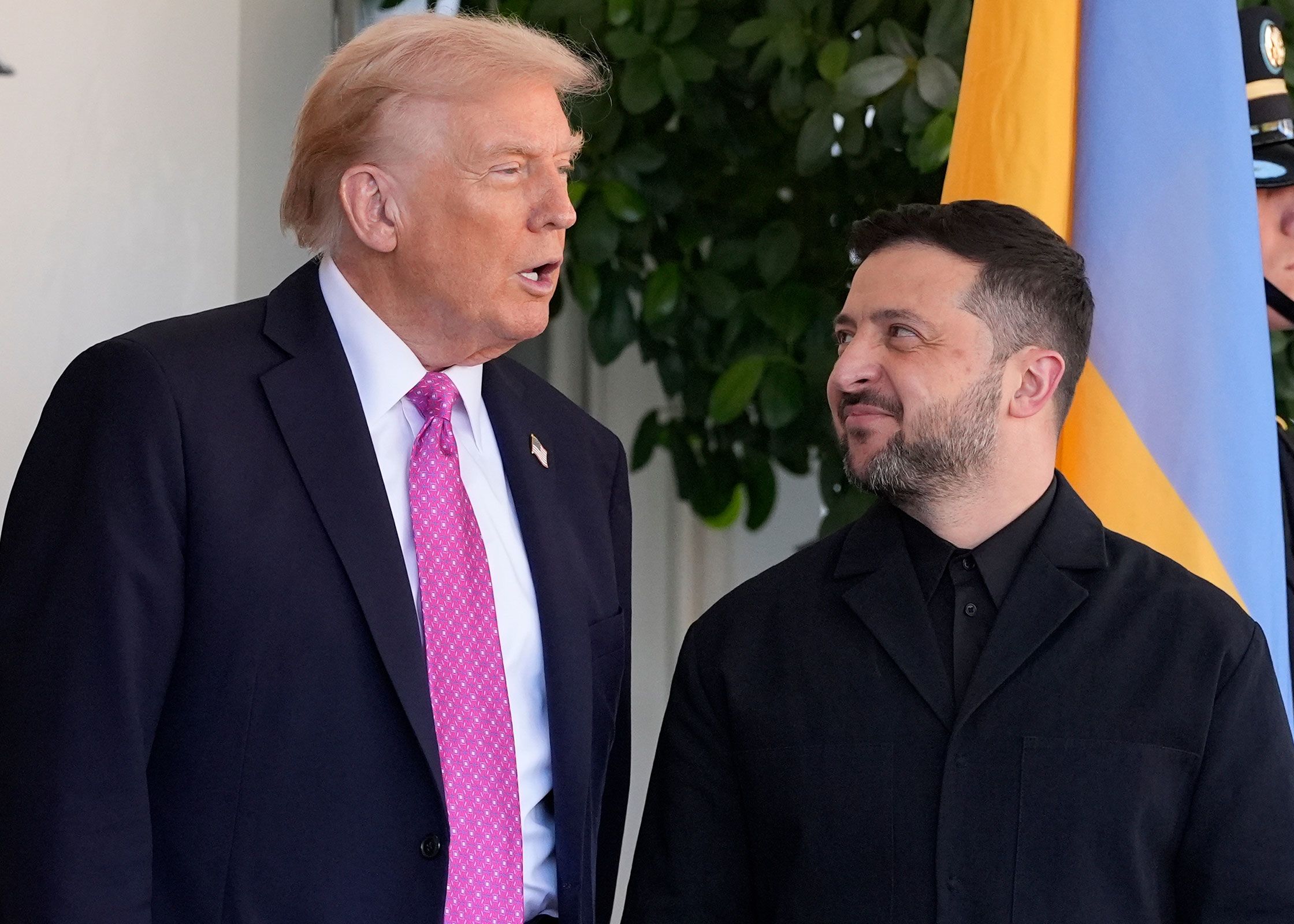
Photo: CNN
Trump Voices Frustration Over Peace Plan Review
U.S. President Donald Trump claimed on Sunday that Ukrainian President Volodymyr Zelenskyy had not yet read the latest U.S.-backed peace proposal for ending the conflict with Russia. “I’m a little bit disappointed that President Zelenskyy hasn’t yet read the proposal, that was as of a few hours ago,” Trump told reporters.
Trump suggested that while Zelenskyy’s team supports the plan, the Ukrainian leader himself remained unengaged, adding uncertainty over whether Kyiv would accept terms that Russia reportedly favors.
The remarks came a day after high-level talks between U.S. and Ukrainian officials concluded in Miami without reaching an agreement on the proposed draft. Multiple versions of the plan have circulated, with disagreements centering on territorial concessions and security guarantees for Ukraine.
Mixed Signals From Both Sides
Trump’s former Ukraine envoy, Keith Kellogg, described the deal as “really close,” contingent on resolving two critical issues: the status of the Donbas region in eastern Ukraine, largely occupied by Russian forces, and the security of the Russian-controlled Zaporizhzhia nuclear plant in southern Ukraine.
Zelenskyy provided a measured assessment in his nightly address, describing the Miami discussions between his negotiators Rustem Umerov and General Andriy Hnatov, and Trump’s representatives Steve Witkoff and Jared Kushner as “constructive, though not easy.” He emphasized that certain issues could only be resolved through in-person discussions rather than phone calls.
Zelenskyy Turns to European Allies
Following Miami, Zelenskyy traveled to London to meet European leaders, including U.K. Prime Minister Keir Starmer, French President Emmanuel Macron, and German Chancellor Friedrich Merz. The meetings are aimed at ensuring Ukraine’s territorial integrity and security while navigating U.S. pressure to accept peace terms perceived as favoring Russia.
European allies are exploring a potential “Coalition of the Willing,” which could include foreign forces to help stabilize a post-war Ukraine — a proposal strongly opposed by Moscow. President Vladimir Putin has warned that any foreign troops on Ukrainian soil would be “legitimate targets,” raising the stakes for international negotiations.
U.S. National Security Strategy Adds Pressure
The release of Trump’s latest national security strategy has heightened European concerns. The document warned that Europe faces “civilisational erasure” and questioned whether European countries can remain reliable U.S. allies, while advocating strategic engagement with Russia. Kremlin officials praised the strategy, noting its alignment with Moscow’s long-term vision, though immediate peace talks remain unresolved.
Last week, talks in Moscow between Witkoff, Kushner, and Russian officials concluded without a breakthrough. Russian presidential aide Yuri Ushakov described the discussions as “constructive and highly informative” but stressed that further private work is needed before a tangible agreement can emerge.
Next Steps and International Implications
Both Washington and Kyiv are navigating a delicate balance between advancing peace and safeguarding national and regional security. As Zelenskyy engages European leaders in London, Brussels, and Rome, the outcome of these discussions will be pivotal for Ukraine, the U.S., and the broader European security landscape.
The ongoing negotiations underscore the complexity of reconciling U.S. proposals, Ukrainian sovereignty concerns, and Russian demands, with the success of any peace plan dependent on careful coordination among all parties involved.
.webp)
Popular articles



Subscribe to unlock premium content
Crypto in the Arctic
Iceland’s Seaweed Revolution
Private Island Rentals for Corporate Retreats Hit $1 Billion

Crypto in the Arctic
Iceland’s Seaweed Revolution
Crypto in the Arctic


