Trump Administration Halts $10 Billion in Child and Family Aid Over Fraud Allegations

Trump Administration Halts $10 Billion in Child and Family Aid Over Fraud Allegations
By
David Goldfarb
Last updated:
January 7, 2026
First Published:
January 7, 2026

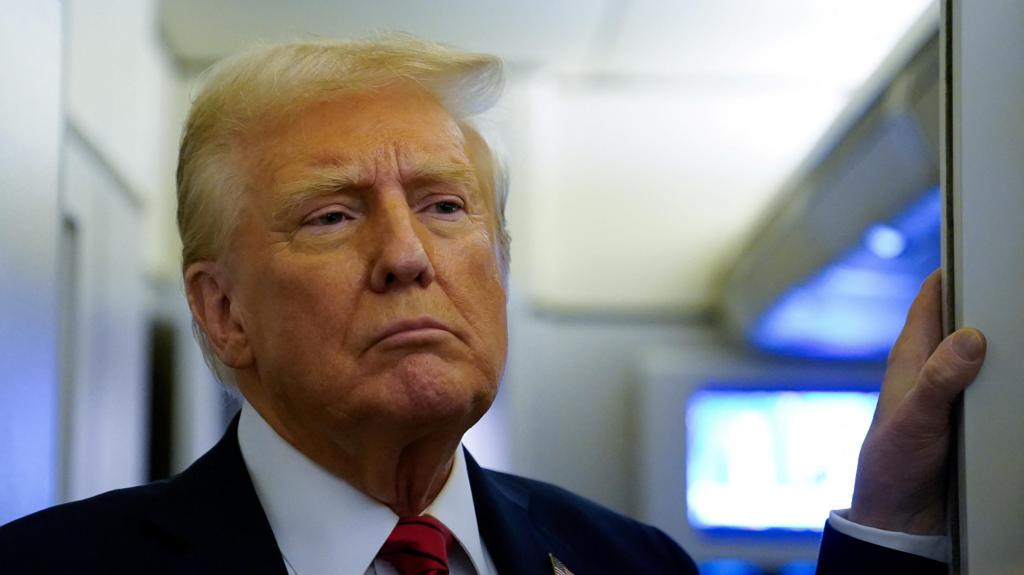
Photo: BBC
Funding Freeze Shakes State Social Programs
The Trump administration has frozen approximately $10 billion in federal funding for child care and family assistance programs across five states, citing what it describes as serious and systemic fraud within state-administered social service systems. The move immediately disrupts funding streams that support millions of low-income families and working parents.
The affected states California, Colorado, Illinois, Minnesota, and New York are all led by Democratic governors, a detail that has intensified the political fallout surrounding the decision.
Programs and Dollars Impacted
The freeze applies to three major federal programs administered by the Department of Health and Human Services through its Administration for Children and Families.
More than $7.3 billion has been halted under the Temporary Assistance for Needy Families program, which provides cash aid and employment support to low-income households. Nearly $2.4 billion in funding under the Child Care and Development Fund has also been frozen, directly affecting subsidies that help families afford child care. An additional $840 million allocated through the Social Services Block Grant program has been suspended.
Combined, these programs represent a critical financial backbone for state-level child care providers, family support agencies, and anti-poverty initiatives.
Fraud Concerns Drive Federal Action
Federal officials say the decision reflects growing alarm over lax oversight and mounting losses tied to fraudulent claims. According to prosecutors and investigators, some state systems allowed payments to be made before attendance or services were verified, creating opportunities for abuse.
In Minnesota alone, a federal prosecutor has estimated that fraud tied to social service and child care programs exceeded $9 billion, making it one of the largest public assistance fraud cases in U.S. history. The funding freeze was announced just one day after Minnesota Governor Tim Walz withdrew his bid for a third term amid political pressure stemming from those revelations.
Deputy Health and Human Services Secretary Jim O’Neill said families deserve assurance that taxpayer-funded programs are managed responsibly and lawfully. He emphasized that the administration’s action is intended to restore accountability, protect public funds, and enforce compliance with federal rules.
Rule Rollbacks and Tighter Oversight
The funding decision follows a broader policy shift at HHS. Earlier this week, the department rescinded several child care rules introduced under the Biden administration. Those rules had required states to pay providers before verifying attendance or before care was actually delivered.
HHS officials argued that the 2024 regulatory changes weakened safeguards and increased exposure to waste, fraud, and abuse, particularly in states already under federal investigation. The rollback reinstates stricter verification requirements aimed at preventing improper payments.
Last week, HHS had already frozen all federal child care funding to Minnesota alone, amounting to roughly $185 million per year, signaling that broader enforcement actions were imminent.
Governors Push Back Forcefully
Democratic governors in affected states quickly condemned the funding freeze, warning that it could harm families who rely on child care support to remain in the workforce.
Illinois Governor JB Pritzker accused the administration of punishing working families rather than addressing affordability challenges. He said thousands of households depend on these programs and argued that the freeze puts livelihoods at risk.
New York Governor Kathy Hochul described the move as vindictive and cruel, saying it would make life more expensive for children and families while intensifying economic pressure on already strained households. Both governors pledged to challenge the decision and explore legal options to restore funding.
Families and Providers Caught in the Middle
While the administration frames the freeze as a necessary step to protect taxpayers, child care providers and social service organizations warn of immediate consequences. Many centers operate on thin margins and depend heavily on federal reimbursements to cover payroll, rent, and basic operating costs.
Advocacy groups caution that prolonged funding disruptions could lead to closures, reduced capacity, and higher out-of-pocket costs for families, particularly in urban areas where demand for subsidized child care already exceeds supply.
A Broader Policy Signal
Beyond the immediate financial impact, the funding freeze signals a broader shift in federal social policy under the Trump administration. The emphasis on fraud prevention and fiscal discipline is reshaping how aid is distributed, with states facing stricter scrutiny and fewer allowances for administrative flexibility.
As legal challenges and political negotiations unfold, the fate of billions of dollars and the families who rely on them now rests on how quickly states can address federal concerns and restore confidence in the integrity of their programs.

Popular articles


Subscribe to unlock premium content
The New Wave of Superyacht Ownership

Micro-Experience Convenience Stores Are Reinventing Quick Stops

Custom Vans for Digital Nomads Redefine Mobility

The New Wave of Superyacht Ownership
Micro-Experience Convenience Stores Are Reinventing Quick Stops
The New Wave of Superyacht Ownership