Trip.com Stock Crashes as China Launches Major Antitrust Investigation

Trip.com Stock Crashes as China Launches Major Antitrust Investigation
By
Alina Sinclair
Last updated:
January 15, 2026
First Published:
January 15, 2026

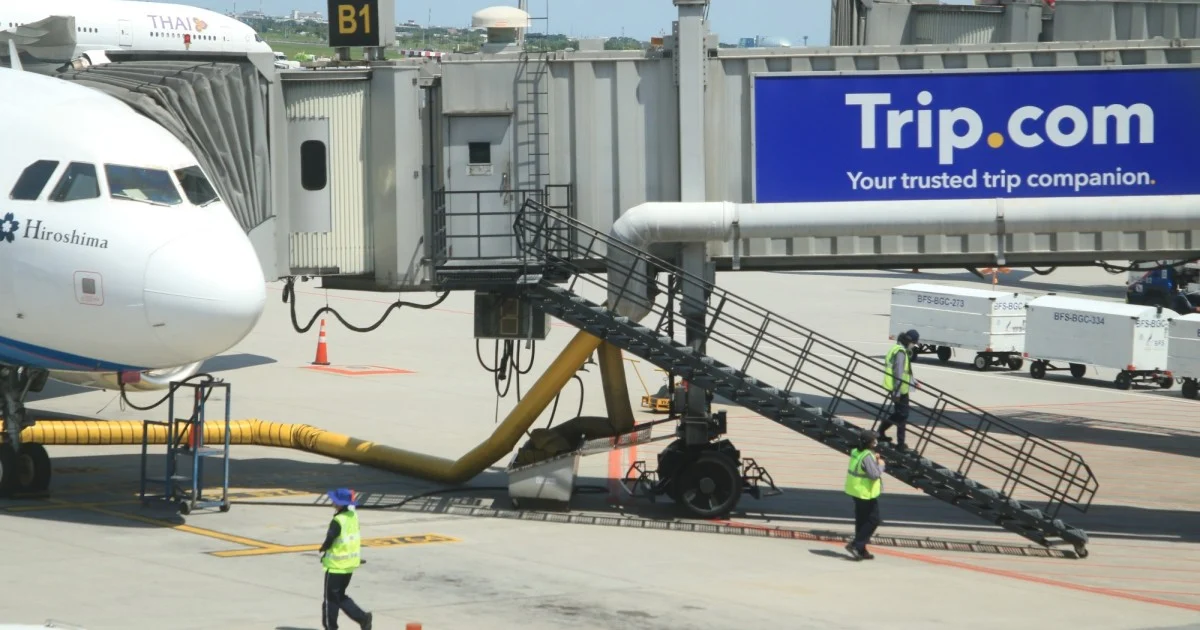
Photo: South China Morning Post
Shares of Trip.com tumbled sharply after Chinese regulators announced a formal antitrust investigation into the online travel giant, raising fresh concerns about regulatory pressure on major technology platforms in China.
Trip.com’s Hong Kong–listed shares plunged nearly 22% on Thursday, making it the worst-performing stock on the Hang Seng Index for the session. The selloff followed an already steep decline in U.S. trading, where the company’s American depositary shares closed down about 17% the previous day. The move puts the stock on track for its worst single-day performance since its Hong Kong listing in April 2021.
Beijing opens antitrust probe
China’s State Administration for Market Regulation said late Wednesday that it had opened an investigation into Trip.com over suspected abuse of market dominance and monopolistic practices. The regulator did not provide detailed allegations but confirmed the probe falls under China’s anti-monopoly law, which has been used in recent years to rein in powerful internet platforms.
Trip.com responded by stating it will actively cooperate with authorities and emphasized that its business operations remain normal. The company did not disclose whether any specific business practices are under review.
Market reaction and investor concerns
The scale of the market reaction highlights investor sensitivity to regulatory risk in China’s technology and consumer internet sectors. A nearly 22% intraday decline wiped billions of dollars off Trip.com’s market capitalization and reignited comparisons to earlier crackdowns on major Chinese tech firms.
Investors remain wary after previous high-profile cases, including the 2021 investigation into Alibaba, which resulted in a record fine of 18.2 billion yuan, or roughly $2.8 billion at the time. That case reshaped how global markets assess regulatory exposure for Chinese platform companies.
A global travel heavyweight
Trip.com is Asia’s largest online travel services provider by market capitalization and one of the most influential players globally. The company operates a wide ecosystem covering flight bookings, hotels, vacation packages, and corporate travel services. It also holds strategic stakes in several major international platforms, including UK-based Skyscanner and India’s MakeMyTrip, alongside multiple domestic Chinese travel businesses.
This broad footprint has helped Trip.com dominate key segments of the travel booking market, but it also places the company squarely in the sights of regulators focused on competition, pricing practices, and platform behavior.
Investigation comes amid travel boom
The timing of the probe is notable, as China’s tourism sector is entering a strong growth phase. Industry estimates suggest mainland Chinese travelers could take between 165 million and 175 million cross-border trips in 2026, up from roughly 155 million last year, driven by rising disposable incomes and the continued normalization of international travel.
Domestic travel is also expanding. During the 2025 Chinese New Year holiday period, around 501 million people traveled within China, marking a year-on-year increase of nearly 6%. Tourism spending during the holiday climbed about 7% to 6.77 billion yuan, underlining the sector’s growing economic importance.
The upcoming Chinese New Year holiday, running from early to late February, traditionally represents one of the busiest travel periods in the world, further amplifying the relevance of online travel platforms like Trip.com.
What comes next
While the investigation is still at an early stage, investors will be closely watching for further guidance from regulators and any potential penalties or required changes to Trip.com’s business practices. For now, the probe adds a new layer of uncertainty to a company that had been positioned to benefit strongly from a rebound in both domestic and international travel.
The outcome could have broader implications for China’s online travel industry, signaling how aggressively authorities intend to apply antitrust rules to consumer-facing platforms during a period of rapid sector growth.
.webp)
Popular articles



Subscribe to unlock premium content
Zara’s Hyper-Fast Fashion Supply Chain Is Changing Global Retail

The Rise of Apple Stores as Experiential Brand Centers Worldwide

Boutique Eco-Lodges in Costa Rica Redefining Ultra-Luxury Travel

Zara’s Hyper-Fast Fashion Supply Chain Is Changing Global Retail
The Rise of Apple Stores as Experiential Brand Centers Worldwide
Zara’s Hyper-Fast Fashion Supply Chain Is Changing Global Retail