TikTok Restructures U.S. Operations With New Joint Venture

TikTok Restructures U.S. Operations With New Joint Venture
By
Leah Rosenfeld
Last updated:
January 23, 2026
First Published:
January 23, 2026

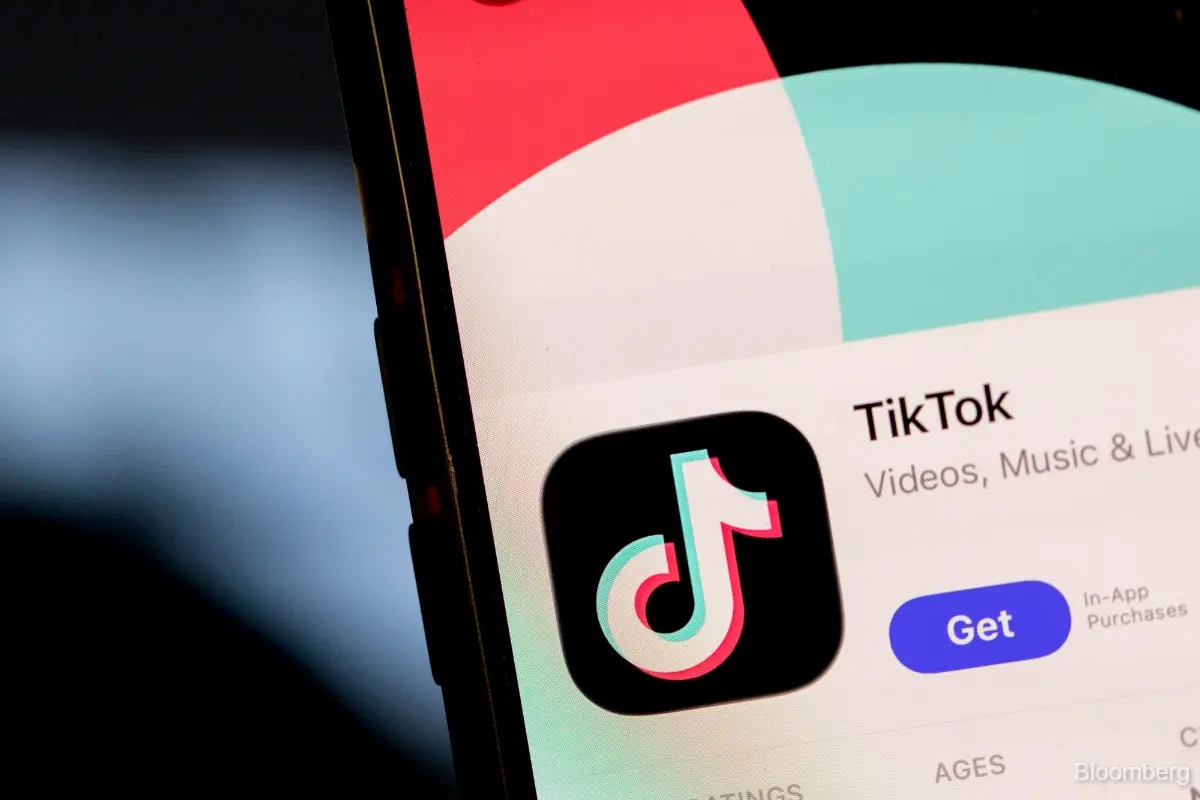
Photo: The Edge Malaysia
TikTok has formally restructured its U.S. business, announcing the creation of a new joint venture designed to keep the video-sharing platform operating in the country under American leadership. The move marks a major turning point in a years-long standoff between U.S. regulators and TikTok’s Chinese parent company, ByteDance, over data security and national security concerns.
The newly formed entity, named TikTok USDS Joint Venture, will operate as an independent company with its own governance, leadership, and safeguards focused on U.S. users.
New leadership and governance structure
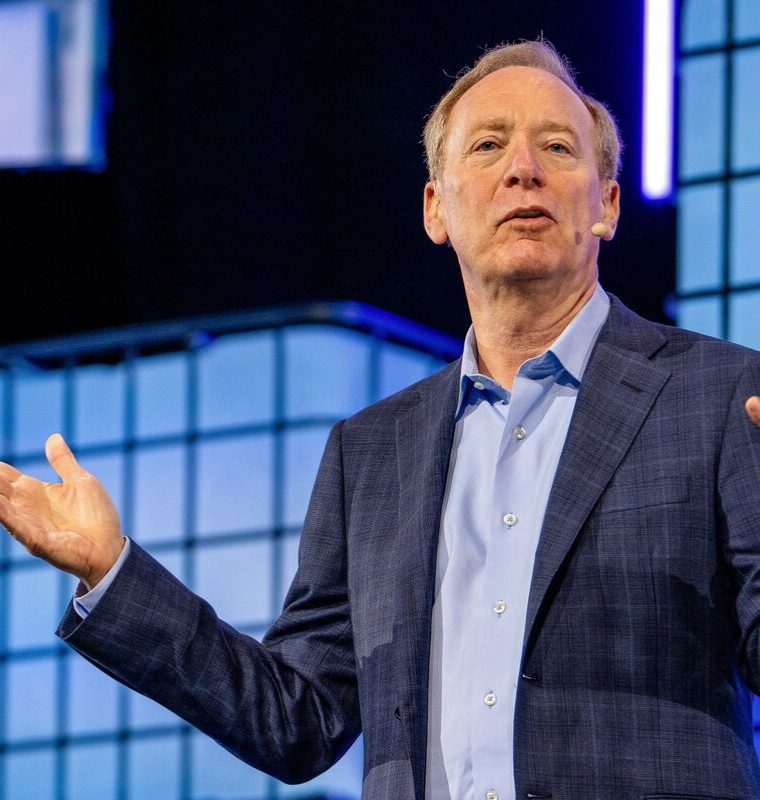
Adam Presser, TikTok’s longtime head of operations and trust and safety, has been appointed chief executive officer of the U.S. joint venture. Presser has spent nearly four years at TikTok and previously held senior leadership roles at Warner Bros., giving him experience managing large-scale media and technology operations.
TikTok’s global CEO, Shou Chew, will serve as a director on the board but will not be involved in day-to-day management, reinforcing the venture’s operational independence.
The joint venture will be overseen by a seven-member board of directors, with a majority of seats held by American executives and investors. Board members include senior figures from TPG Global, Susquehanna International Group, Silver Lake, DXC Technology, Oracle, and MGX, alongside Chew.
Ownership split and investor lineup
Under the new structure, ByteDance will retain a 19.9 percent minority stake in the venture, significantly reducing its influence over TikTok’s U.S. operations. Control will rest with a group of American institutional investors led by Silver Lake, Oracle, and MGX, who are designated as managing investors.
Additional financial backers include Michael Dell’s Vastmere Strategic Investments, Alpha Wave Partners, Revolution, and Via Nova, an affiliate of General Atlantic. Collectively, the investor group represents some of the largest names in global private equity, technology infrastructure, and growth capital.
U.S. officials have previously estimated the value of TikTok’s American business at around $14 billion, reflecting its massive user base, advertising reach, and growing e-commerce ambitions.
National security safeguards at the core
TikTok said the new venture has been designed with extensive protections aimed at addressing long-standing U.S. security concerns. These include strict data localization, enhanced algorithm security, robust content moderation standards, and independent software assurance processes for American users.
One of the most significant changes involves TikTok’s recommendation algorithm, widely considered the platform’s most valuable asset. The algorithm will now be hosted within Oracle’s U.S.-based data centers and will be retrained, tested, and updated exclusively using U.S. user data. This step is intended to prevent foreign access to sensitive information and reduce concerns about external influence.
The new framework also ensures continued operations for related apps and services in the U.S., including CapCut and Lemon8, which had faced uncertainty under earlier regulatory threats.
Political backing and international coordination
President Donald Trump praised the deal publicly, describing the new ownership group as a collection of prominent American investors and crediting the agreement with securing TikTok’s future in the U.S. market. He also thanked Chinese President Xi Jinping for cooperating with the process and approving the arrangement, though Beijing has not issued an official public statement confirming its position.
The restructuring follows years of legal and political uncertainty. ByteDance had been subject to a national security law signed under former President Joe Biden that required TikTok to divest its U.S. operations or face a nationwide ban. Enforcement of that law was repeatedly delayed by executive orders issued by President Trump, allowing time for negotiations and buyer discussions to continue.
Those executive orders prevented the Justice Department from enforcing the ban while TikTok worked to reach a deal acceptable to both U.S. and Chinese authorities.
Global reach with U.S. control
Despite the separation, TikTok emphasized that U.S. users and creators will continue to benefit from the platform’s global reach. The company said interoperability between the U.S. entity and TikTok’s global operations will allow American creators to be discovered worldwide and enable cross-border advertising, e-commerce, and marketing activity.
While TikTok USDS will manage U.S.-specific data, governance, and security, certain global product functions and commercial coordination will remain aligned with TikTok’s broader ecosystem.
A defining moment for Big Tech regulation
The formation of TikTok USDS Joint Venture represents one of the most complex corporate restructurings ever undertaken by a major social media platform under government pressure. It sets a precedent for how foreign-owned technology companies may be required to localize operations, governance, and data infrastructure to continue operating in the U.S.
For TikTok, the deal provides a path forward in its largest advertising market, home to tens of millions of users and creators. For regulators, it signals a new model for balancing national security concerns with the economic and cultural influence of global digital platforms.
With new leadership in place and a redefined ownership structure, TikTok’s U.S. chapter now enters a new phase, one shaped as much by geopolitics as by technology and growth ambitions.

Popular articles


Subscribe to unlock premium content
Healing from Afar in Brazil

The Culinary Revolution Delivered to Your Door

Paws of Prestige in Singapore

Healing from Afar in Brazil
The Culinary Revolution Delivered to Your Door
Healing from Afar in Brazil