The Rise of the "Digital Employee": Jensen Huang’s Plan to Pay Humans in AI Tokens

The Rise of the "Digital Employee": Jensen Huang’s Plan to Pay Humans in AI Tokens
By
David Goldfarb
Last updated:
March 23, 2026
First Published:
March 23, 2026

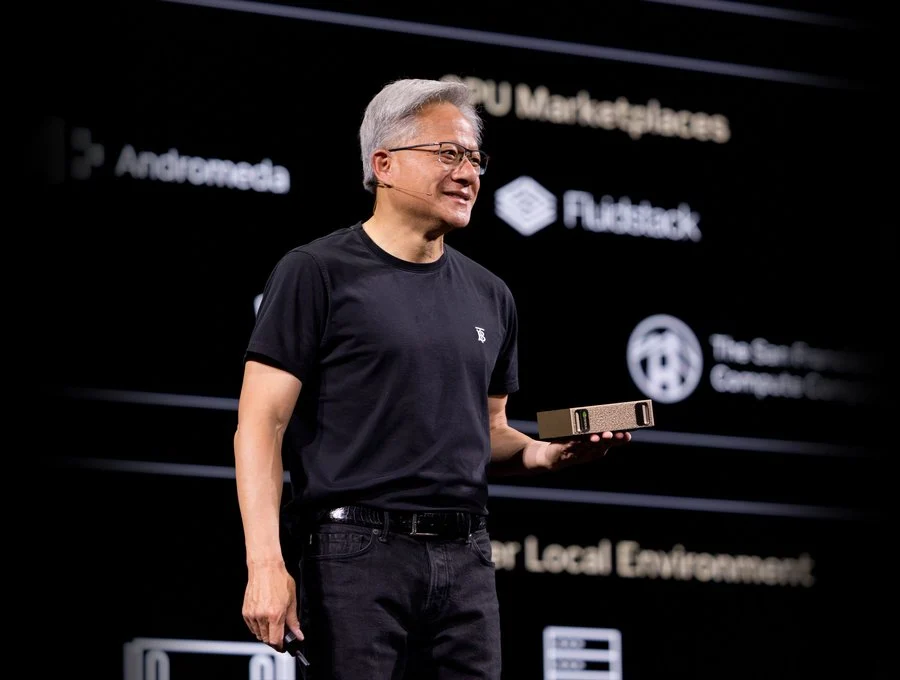
The traditional Silicon Valley paycheck is getting a futuristic upgrade. At Nvidia’s latest GPU Technology Conference, CEO Jensen Huang introduced a provocative concept for the modern workforce: "AI tokens" as a performance incentive. Under this model, an engineer earning a base salary of $200,000 might receive an additional $100,000 worth of tokens. These aren't just digital credits; they are the "fuel" engineers use to deploy autonomous AI agents, effectively turning every human employee into a manager of a digital fleet.
From 42,000 Humans to Hundreds of Thousands of Agents
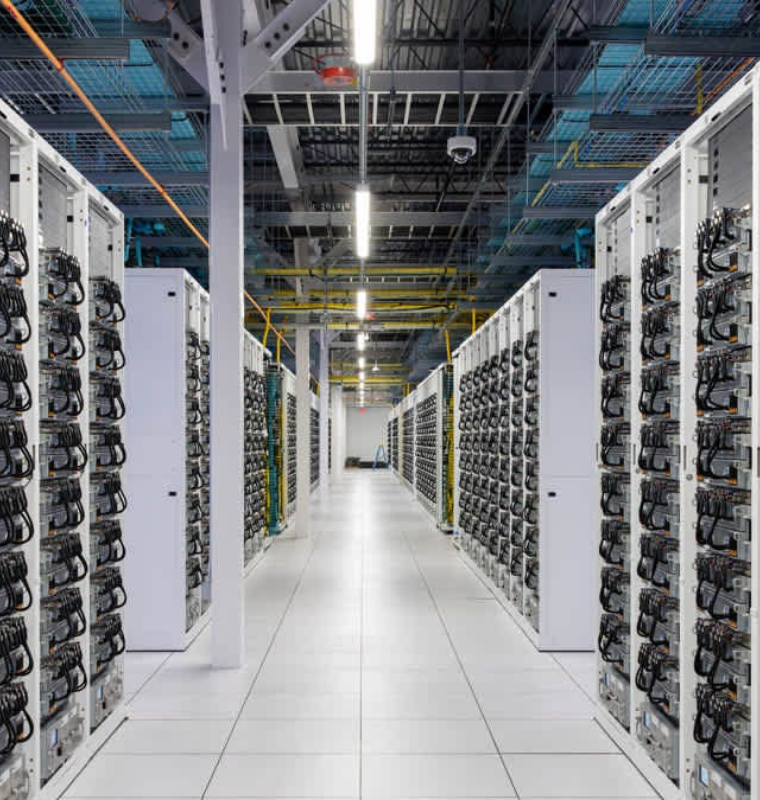
Huang’s vision isn't just about productivity; it’s about a total structural overhaul. Nvidia currently employs 42,000 "biological" workers, but Huang expects the company to one day employ hundreds of thousands of "digital" workers. These AI agents are not just simple chatbots; they are sophisticated software systems capable of executing complex, multi-step projects—such as writing and testing code—with minimal human intervention.
This "agentic" shift is creating what experts call a paradigm shift in software engineering. Bruno Guicardi, founder of IT firm CI&T, notes that engineers are moving away from traditional programming languages to "telling" computers what to do in plain English. What used to be a months-long development cycle is being compressed into mere days.
The $Trillion Labor Displacement Debate
The rapid ascent of AI agents has triggered a wave of "job apocalypse" fears among white-collar professionals. Unlike previous iterations of AI that required constant human prompting, these new agents act autonomously. Veteran investor Howard Marks of Oaktree Capital Management points out that this autonomy is the "missing link" that elevates AI from a $50 billion niche to a multi-trillion-dollar labor substitute.
The economic projections are equally sobering:
- Goldman Sachs: Estimates that AI could automate up to 25% of all work hours in the U.S.
- Productivity vs. Displacement: While a 15% boost in global GDP is possible, roughly 6% to 7% of current jobs could be entirely displaced during the transition.
- The Junior Gap: Mercer Asia warns of a "talent paradox" where entry-level "stepping-stone" tasks are automated, making it harder for new graduates to gain the experience needed for senior roles.
The Counterintuitive Software Boom
While some fear AI will kill the need for software, Huang argues the opposite. He believes AI agents will become the software industry's most "voracious customers." As the number of digital agents grows, the demand for underlying infrastructure—compilers, Python programs, and computing instances—is exploding. In Huang’s world, more automation doesn't lead to less software; it leads to an insatiable need for more complex digital tools to manage the agents.
A Frictionless Transition?
Despite the optimism, the road to an "agent-first" company is littered with failed experiments. Industry data suggests that 80% to 85% of AI projects have failed to deliver results since 2018. The challenge isn't just the code—it’s the culture. Integrating hundreds of thousands of digital employees into human workflows is a management nightmare that most corporations aren't yet equipped to handle.
However, history offers a silver lining. As Goldman’s Joseph Briggs notes, 60% of workers today hold jobs that didn't exist in 1940. From content creation to the gig economy, technology has a track record of destroying roles only to create entirely new industries that were once considered science fiction.
.webp)
Popular articles



Subscribe to unlock premium content
Scented Sophistication at Home

Rediscovering Cinema in the Age of Streaming

Speed, Luxury, and Adrenaline

Scented Sophistication at Home
Rediscovering Cinema in the Age of Streaming
Scented Sophistication at Home