The OpenClaw Mania: Why a Viral AI Craze is Sending Secondhand MacBook Prices Soaring in China

The OpenClaw Mania: Why a Viral AI Craze is Sending Secondhand MacBook Prices Soaring in China
By
Leah Rosenfeld
Last updated:
March 23, 2026
First Published:
March 23, 2026

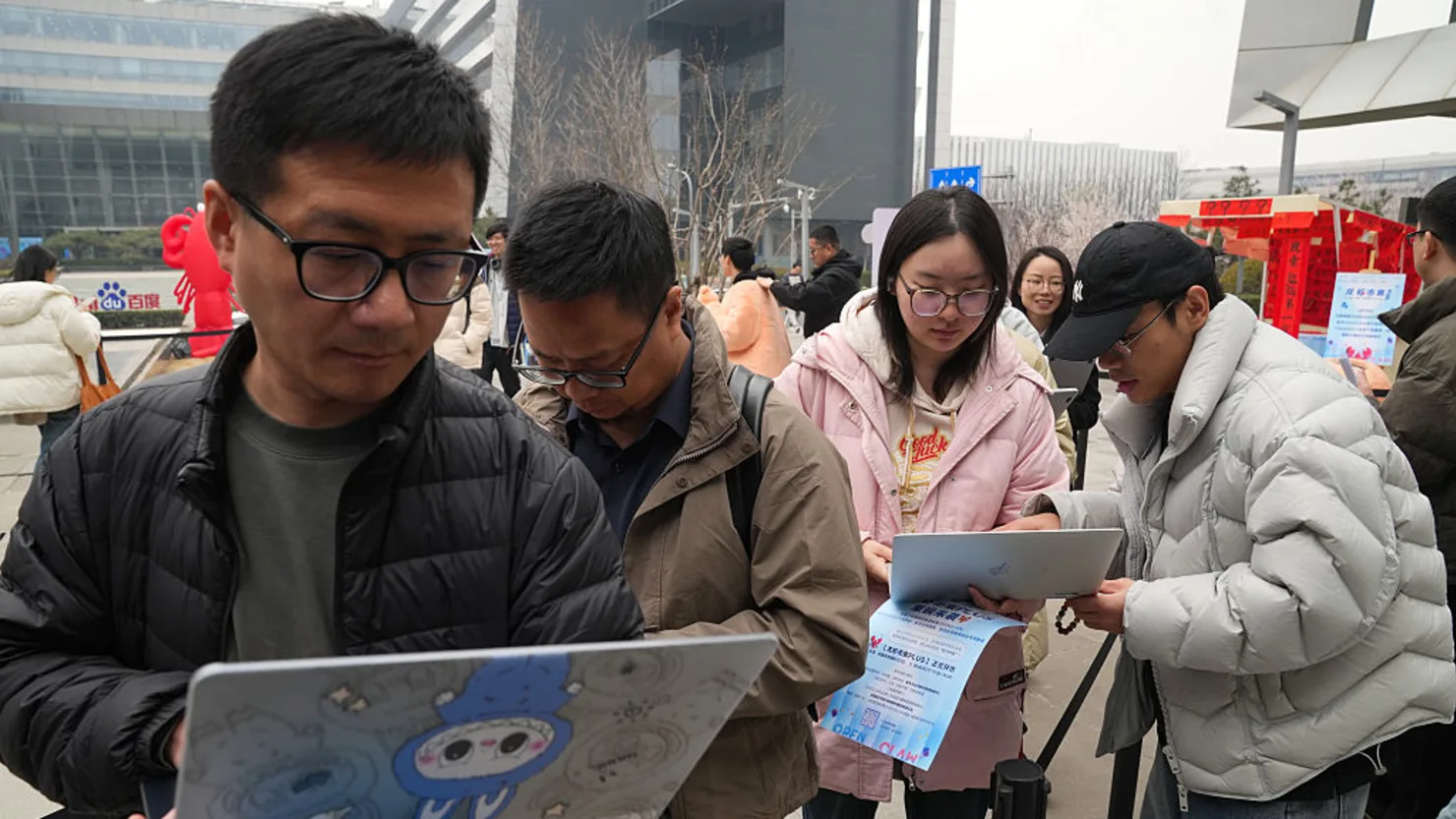
Attendees bring their laptops to install the OpenClaw AI agent during a Baidu event in Beijing, China, on Tuesday, March 17, 2026.
Bloomberg | Bloomberg | Getty Images
In the world of consumer electronics, spring is usually the season of the "price slide," as excitement from autumn launches fades. However, a revolutionary open-source AI agent named OpenClaw is flipping the script. In China, the frenzy to run this autonomous software has become so intense that it is driving a localized "hardware gold rush," pushing the prices of preowned MacBooks and Mac Minis to levels rarely seen outside of a new iPhone launch window.
The OpenClaw Factor: Why Apple is the Preferred Engine
OpenClaw isn't just another chatbot; it is an "AI agent" capable of autonomously managing emails, shopping online, and executing complex workflows. Because the software requires significant local processing power and poses unique security risks—potentially accessing banking data if not isolated—users are flocking to secondary devices to run it.
According to Jeremy Ji, Chief Strategy Officer at ATRenew (a major partner for Apple and JD.com in China), the MacBook has become the gold standard for this trend. Apple’s silicon—specifically the M4 and M5 chips—offers a level of power efficiency and neural processing that Windows-based alternatives are struggling to match. The result? A massive wave of consumers trading in older M1 and M2 models for high-spec secondhand M4 and M5 machines.
Market Defiance by the Numbers
The economic impact of this AI craze is visible across the balance sheets of major resellers:
- Seasonal Anomalies: Typically, prices for used electronics dip significantly from March to May. This year, prices have remained pinned at "peak season" levels, mirroring the high-demand period of a major September product release.
- The Price Gap: New MacBooks currently command a premium of only about 15% over high-quality used units at ATRenew, a remarkably narrow margin that signals a desperate struggle for supply.
- Processing Volume: While ATRenew processes roughly 100,000 devices per day, the share of laptops and PCs in their business is expected to jump from 15% to 20% due to the OpenClaw surge.
- The Buyback War: To keep up with demand, resellers have been forced to increase their buyback prices to incentivise owners to part with their silicon.
A "Job for Humanity": The Next ChatGPT?
The hype isn't just local. Nvidia CEO Jensen Huang recently dubbed OpenClaw "definitely the next ChatGPT," calling it the most successful open-source project in human history. This endorsement has sent the global demand for AI-capable memory chips into overdrive, further inflating the cost of new hardware and making the secondhand market even more attractive to budget-conscious techies.
In China, tech giants like Tencent are already using OpenClaw to lure users into their ecosystems, further cementing the software's status as a must-have tool. Because memory chip prices for new Android flagships are rising, even smartphone buyers are pivoting toward used iPhones to save capital for their AI hardware investments.
The "Secondary Device" Security Trend
A fascinating side effect of the OpenClaw boom is the rise of the "sacrificial laptop." Because an autonomous agent can technically "take over" a computer to perform tasks, cybersecurity firms like SecurityScorecard have noted a surge in users running the software on cloud servers or isolated secondary Mac Minis. This "better safe than sorry" approach is a primary driver for the secondhand market, as users seek powerful but "disposable" hardware to act as a sandbox for their AI experiments.
As we look toward the rest of the year, ATRenew’s Jeremy Ji expects this trend to remain "very strong," potentially redefining the used electronics market for the duration of 2026.
.webp)
Popular articles



Subscribe to unlock premium content
Scented Sophistication at Home

Rediscovering Cinema in the Age of Streaming

Speed, Luxury, and Adrenaline

Scented Sophistication at Home
Rediscovering Cinema in the Age of Streaming
Scented Sophistication at Home