The Netflix Effect: How a Single Cooking Show Is Redefining Global Tourism and Fueling a 303% Surge in Dining

The Netflix Effect: How a Single Cooking Show Is Redefining Global Tourism and Fueling a 303% Surge in Dining
By
Junia Wells
Last updated:
March 23, 2026
First Published:
March 23, 2026

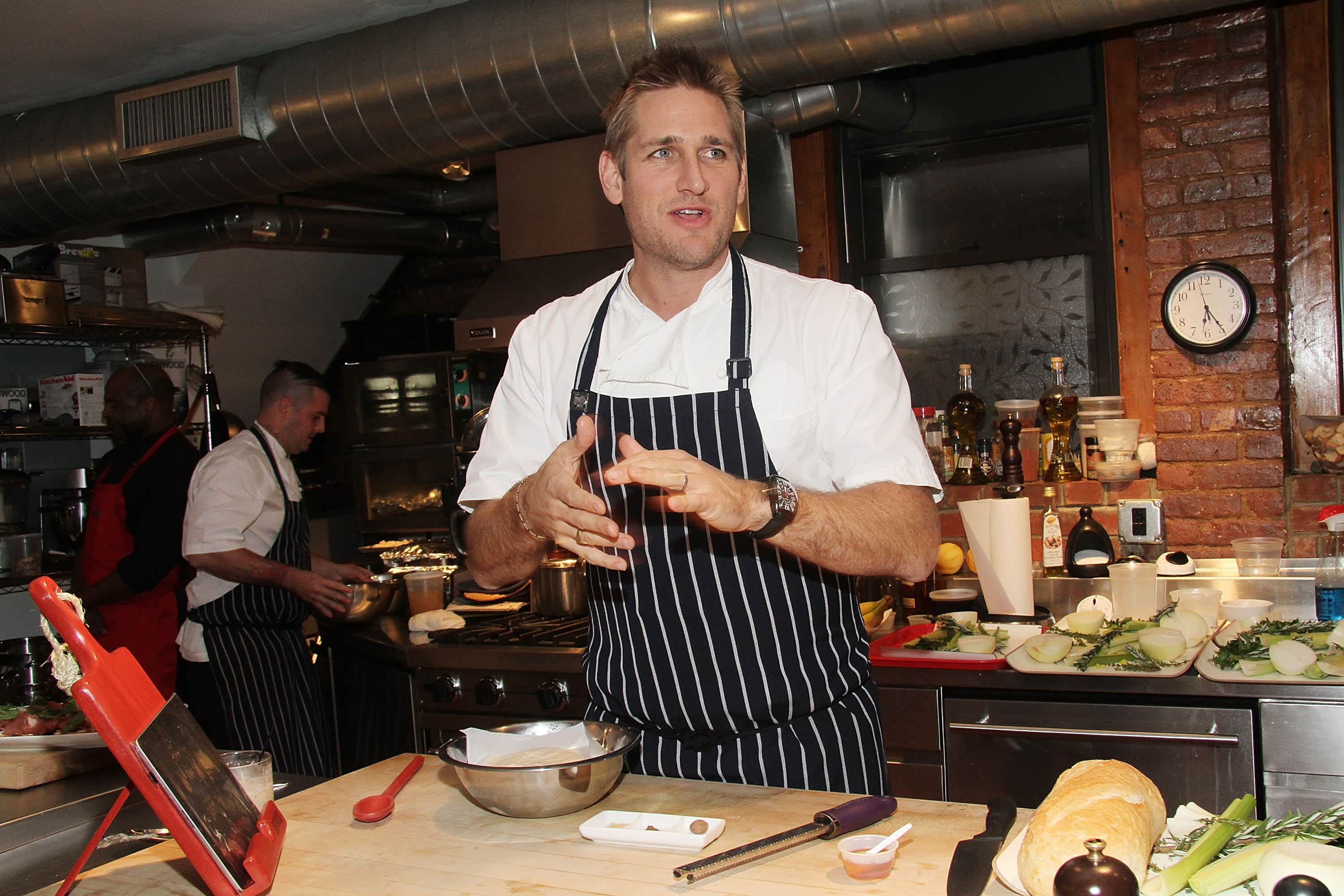
Getty Images
Streaming platforms have long influenced what we wear and how we speak, but they are now dictating exactly where we fly and what we eat. A new phenomenon, largely credited to the massive success of the South Korean hit "Culinary Class Wars," is fundamentally altering the hospitality landscape. Data reveals that featured restaurants are experiencing an unprecedented 303% explosion in bookings, proving that the "Netflix Effect" is no longer just about digital engagement—it is a powerful engine for physical commerce.
The Multiplier Effect on Local Economies
The impact of this culinary craze extends far beyond the television screen. When a chef or a specific dish goes viral on a global platform, it triggers a chain reaction in the travel sector. Online travel agencies and booking platforms like Catch Table have reported that search volumes for featured dining spots aren't just rising; they are shattering previous records.
Industry analysts have noted that this isn't a localized trend. Travelers are now planning entire itineraries around "destination dining," with many flying thousands of miles specifically to secure a seat at a table they saw during a binge-watching session. This influx of "food tourists" provides a massive boost to local economies, benefiting hotels, ride-sharing services, and nearby retail shops.
Inside the Numbers: A 303% Jump in Demand
The 303% increase in restaurant reservations is a staggering figure that highlights a shift in consumer spending. For many of these establishments, the sudden fame is a double-edged sword. While revenue is soaring, the sheer volume of interest has forced restaurants to upgrade their digital infrastructure to handle the traffic.
- Reservation Apps: Platforms are seeing millions of new users signing up solely to get on a waitlist for a "Black Spoon" or "White Spoon" chef’s restaurant.
- Social Media Metrics: Visual-heavy platforms like Instagram and TikTok have seen hashtags related to the show garner billions of views, creating a secondary wave of marketing that costs the restaurants zero dollars in traditional advertising.
- Secondary Spending: Data suggests that for every dollar spent at a featured restaurant, travelers spend an additional three to four dollars in the surrounding local area.
The Evolution of Travel Habits
We are witnessing the birth of "Screen-to-Table" tourism. Modern travelers are moving away from traditional sightseeing at monuments and museums, opting instead for authentic, high-stakes culinary experiences. This shift is particularly prevalent among Gen Z and Millennials, who prioritize "brag-worthy" experiences that offer both high-quality flavor and a compelling backstory.
The success of these shows has forced tourism boards to rethink their strategies. Many are now partnering with production houses to ensure their local food scenes are highlighted, recognizing that a ten-minute segment on a global streaming giant can be more effective than a multi-million dollar traditional ad campaign.
A Sustainable Trend or a Passing Fad?
While the initial 303% spike is breathtaking, the industry is now looking at how to sustain this momentum. Restaurants are beginning to diversify their menus and offer exclusive experiences to keep the "post-show" crowd coming back. For the corporate and hospitality sectors, the lesson is clear: in a hyper-connected world, the line between entertainment and industry is almost non-existent.
.webp)
Popular articles



Subscribe to unlock premium content
Scented Sophistication at Home

Rediscovering Cinema in the Age of Streaming
Speed, Luxury, and Adrenaline
Scented Sophistication at Home
Rediscovering Cinema in the Age of Streaming
Scented Sophistication at Home