The Deal Buffett Says He Should Never Have Made

The Deal Buffett Says He Should Never Have Made
By
David Goldfarb
Last updated:
December 26, 2025
First Published:
December 26, 2025

Getty Images
A Legendary Exit Approaches
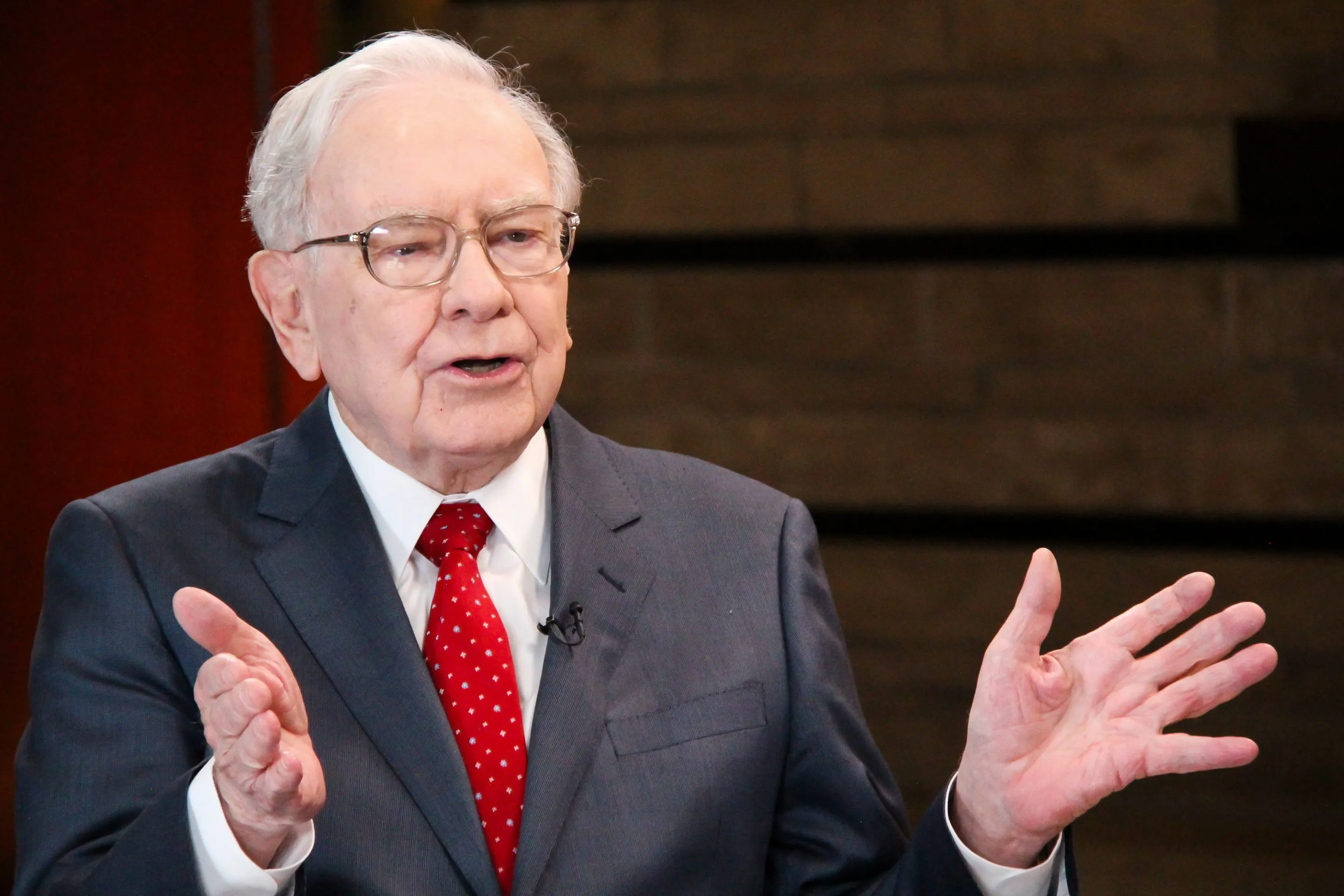
As Warren Buffett enters his final week as CEO of Berkshire Hathaway, the scale of his legacy is difficult to overstate. Since taking control of the company in 1965, Buffett has transformed what was once a struggling New England textile manufacturer into a global conglomerate valued at over 1 trillion dollars. The journey created extraordinary wealth for long term shareholders and cemented Buffett’s reputation as the most successful investor of the modern era.
Today, nearly all of Buffett’s estimated 151 billion dollar net worth is tied to Berkshire Hathaway Class A shares, placing him among the top ten richest individuals globally. Yet, despite six decades of success, Buffett has consistently described his initial purchase of Berkshire as the worst investment decision of his life.
From Cheap Stock to Costly Commitment
Buffett’s involvement with Berkshire began in the early 1960s, when he was running a small investment partnership managing roughly 7 million dollars. At the time, Berkshire Hathaway appeared cheap by traditional balance sheet standards. The textile business was shrinking, mills were being shut down, and management was buying back shares using liquidation proceeds.
Buffett’s original strategy was purely opportunistic. He intended to buy shares at depressed prices, tender them back to the company, and exit with a modest profit. In 1964, after accumulating a meaningful stake, Buffett met with then CEO Seabury Stanton, who informally agreed to buy Buffett’s shares at 11 dollars and 50 cents.
When the official tender offer arrived at 11 and three eighths, the decision became emotional. Feeling slighted over a fraction of a dollar, Buffett refused to sell. Instead, he bought more shares, took control of the company, and dismissed Stanton. What began as a short term trade turned into a lifelong corporate commitment.
Building an Empire on a Weak Foundation
While Berkshire ultimately became the platform for Buffett’s greatest successes, the textile business itself was fundamentally flawed. The industry faced relentless global competition, shrinking margins, and structural disadvantages that no amount of managerial talent could fix.
For two decades, Buffett continued to allocate capital in an attempt to revive the textile operations. Even with capable and ethical managers in place, the business consistently failed to generate acceptable returns. By Buffett’s own estimates, Berkshire was earning close to nothing on its capital for years, acting as a persistent drag on overall performance.
Buffett later acknowledged that if he had simply walked away from textiles and used the same capital to build an insurance focused company from scratch, Berkshire could have been worth twice as much. By his estimate, that decision alone cost shareholders roughly 200 billion dollars in lost potential value.
The Insurance Pivot That Changed Everything
The turning point came in 1967, when Berkshire acquired National Indemnity, a small but well run insurance company. This purchase introduced Buffett to the power of insurance float, low cost capital that could be reinvested across a wide range of opportunities.
Insurance eventually became the economic engine behind Berkshire’s expansion into railroads, utilities, manufacturing, consumer brands, and large equity stakes in public companies. However, the legacy textile operations remained an anchor on the balance sheet for years, tying up capital that could have been deployed more productively elsewhere.
Buffett ultimately shut down the textile business in the mid 1980s, nearly 20 years after recognizing that it was structurally unsound.
The Core Lesson Buffett Never Stops Repeating
From this experience emerged one of Buffett’s most quoted principles: great management cannot overcome bad economics. He has often said that when a brilliant manager meets a business with poor fundamentals, it is the business that wins.
This realization marked Buffett’s evolution away from pure bargain hunting, a strategy he learned from Benjamin Graham, toward buying high quality businesses at fair prices. He credits Charlie Munger with reinforcing this shift as early as their first meeting in 1959, advice Buffett admits he was slow to fully embrace.
Why Difficulty Does Not Earn Extra Returns
Buffett frequently compares investing to an activity with no degree of difficulty bonus. Unlike sports or competitions where harder tasks earn more points, business rewards outcomes, not effort. Investors do not earn higher returns simply for tackling complex or struggling industries.
This philosophy explains why Buffett has walked away from countless opportunities over the years, even when others believed Berkshire had the resources to fix them. He prefers stepping over low hurdles rather than attempting high jumps with unfavorable odds.
A Mistake That Shaped a Master Investor
Ironically, the investment Buffett regrets most also became the vehicle through which he achieved historic success. Berkshire Hathaway taught him patience, capital discipline, and the importance of business quality over statistical cheapness.
Buffett has often joked that if he had not learned this lesson from Berkshire, he might never have learned it at all. The mistake cost billions in foregone value, but it reshaped his philosophy and, in doing so, defined one of the most successful investing careers in history.

Popular articles


Subscribe to unlock premium content
The New Wave of Superyacht Ownership

Micro-Experience Convenience Stores Are Reinventing Quick Stops

Custom Vans for Digital Nomads Redefine Mobility

The New Wave of Superyacht Ownership
Micro-Experience Convenience Stores Are Reinventing Quick Stops
The New Wave of Superyacht Ownership