Swiss Bar Fire Claims Dozens of Lives, With Teen Victims Among the Dead

Swiss Bar Fire Claims Dozens of Lives, With Teen Victims Among the Dead
By
Leah Rosenfeld
Last updated:
January 5, 2026
First Published:
January 5, 2026

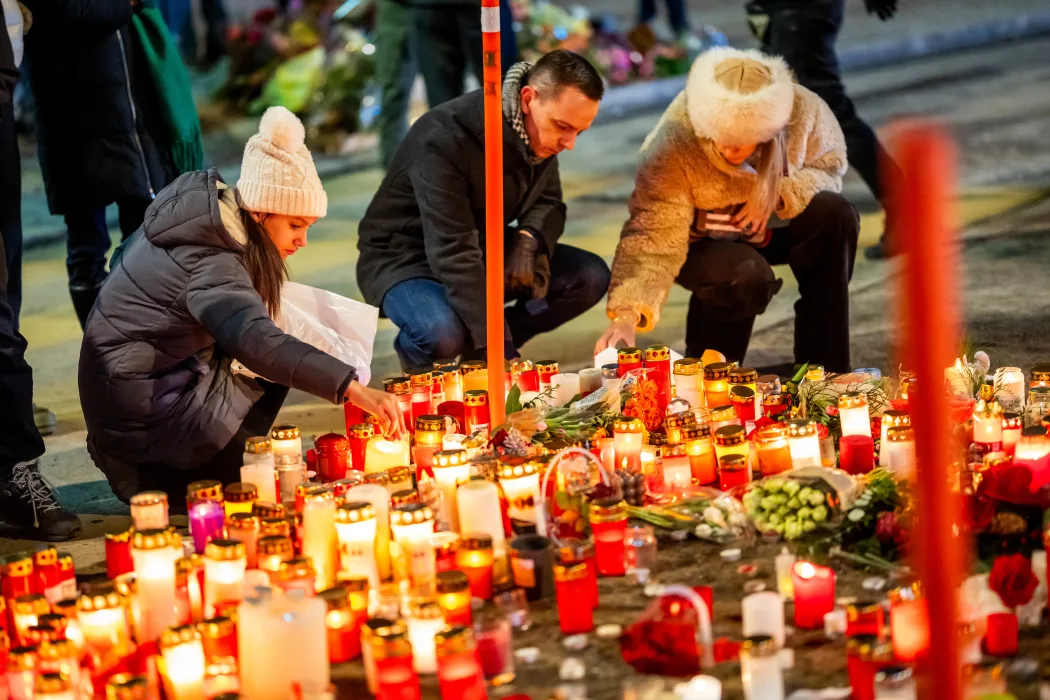
Photo: RNZ
Tragedy Strikes Alpine Resort on New Year’s Eve
Swiss authorities have confirmed that teenagers were among those killed in a devastating New Year’s Eve fire at a crowded bar in the mountain resort of Crans-Montana, deepening national shock over one of the deadliest civilian disasters in the country’s recent history. The blaze claimed 40 lives and left more than a hundred people injured, many with life-altering burns.
Police said victims included children as young as 14 and 15, underscoring the scale of the tragedy and the youthful profile of many who had gathered to celebrate the arrival of the new year.
Victims Identified as Investigation Continues
Valais cantonal police announced on Sunday that 16 additional victims had been formally identified, bringing the total number of identified dead to 24. The newly confirmed victims included 10 Swiss nationals, two Italians, one individual holding Italian-Emirati citizenship, and one person each from Romania, France, and Turkey. Authorities have not released names publicly.
Among those identified were a 14-year-old Swiss girl, two Swiss girls aged 15, and ten teenagers between the ages of 16 and 18. Police also confirmed the deaths of two Swiss men aged 20 and 31, as well as a 39-year-old French national.
Earlier confirmations included two Swiss women aged 22 and 24, and two Swiss men aged 18 and 21.
Families Begin to Grieve
The tragedy has rippled through communities across Switzerland. Overnight, the mother of a 16-year-old Swiss boy confirmed that her son, Arthur Brodard, was among the victims.
“Our Arthur has departed to party in heaven,” his mother wrote in an emotional message shared on social media. “Now we can start our mourning, knowing he is in peace.”
Such personal losses have turned the disaster into a deeply personal national wound, particularly given the number of young lives cut short.
National and Global Expressions of Sympathy
Hundreds of mourners gathered at a church service in Crans-Montana on Sunday morning, where Bishop Jean-Marie Lovey said condolences had poured in from around the world. Messages of sympathy came from international leaders and religious figures, including the Pope.
Bishop Lovey told attendees that Pope Leo XIV had sent a message expressing compassion for the victims’ families and solidarity with all those suffering in the wake of the disaster.
“Countless people join us — people whose hearts are broken,” the bishop said during the service.
Switzerland to Observe Day of Mourning
Swiss President Guy Parmelin announced that the country will hold a national day of mourning on Friday. Church bells will ring across Switzerland, and a minute of silence will be observed nationwide.
“This moment of reflection will allow everyone in Switzerland to personally remember the victims of this disaster,” Parmelin said, describing the tragedy as one that has touched the entire nation.
Cause of the Fire Under Scrutiny
Investigators believe the fire began when “fountain candle” sparklers were raised too close to the bar’s ceiling during New Year celebrations at the Constellation bar. The resulting blaze spread rapidly through the packed venue, leaving many patrons trapped inside.
A total of 119 people were injured, with dozens suffering severe burns. Several victims were transferred to specialized burn units in hospitals across Switzerland and neighboring European countries, highlighting the scale of the emergency response.
Criminal Investigation Launched
Prosecutors have confirmed that two individuals responsible for operating the bar are under criminal investigation on suspicion of offenses including homicide by negligence. Authorities are examining compliance with fire safety regulations, crowd management practices, and the use of pyrotechnic devices indoors.
Police said identification efforts are ongoing, and the full human toll of the disaster is still being assessed as families await confirmation about missing loved ones.
A Nation in Mourning
As Switzerland prepares for a day of national remembrance, the focus remains on the victims, many of them young, whose lives ended during what was meant to be a moment of celebration. The tragedy has reignited debate over safety standards in nightlife venues and the use of fireworks indoors, with calls growing louder for stricter enforcement to prevent such a disaster from happening again.

Popular articles


Subscribe to unlock premium content
The New Wave of Superyacht Ownership

Micro-Experience Convenience Stores Are Reinventing Quick Stops

Custom Vans for Digital Nomads Redefine Mobility

The New Wave of Superyacht Ownership
Micro-Experience Convenience Stores Are Reinventing Quick Stops
The New Wave of Superyacht Ownership