Supreme Court Tariff Ruling Reshapes Apple’s Cost Outlook and Supply Chain Strategy

Supreme Court Tariff Ruling Reshapes Apple’s Cost Outlook and Supply Chain Strategy
By
Rachel Steinberg
Last updated:
February 21, 2026
First Published:
February 21, 2026

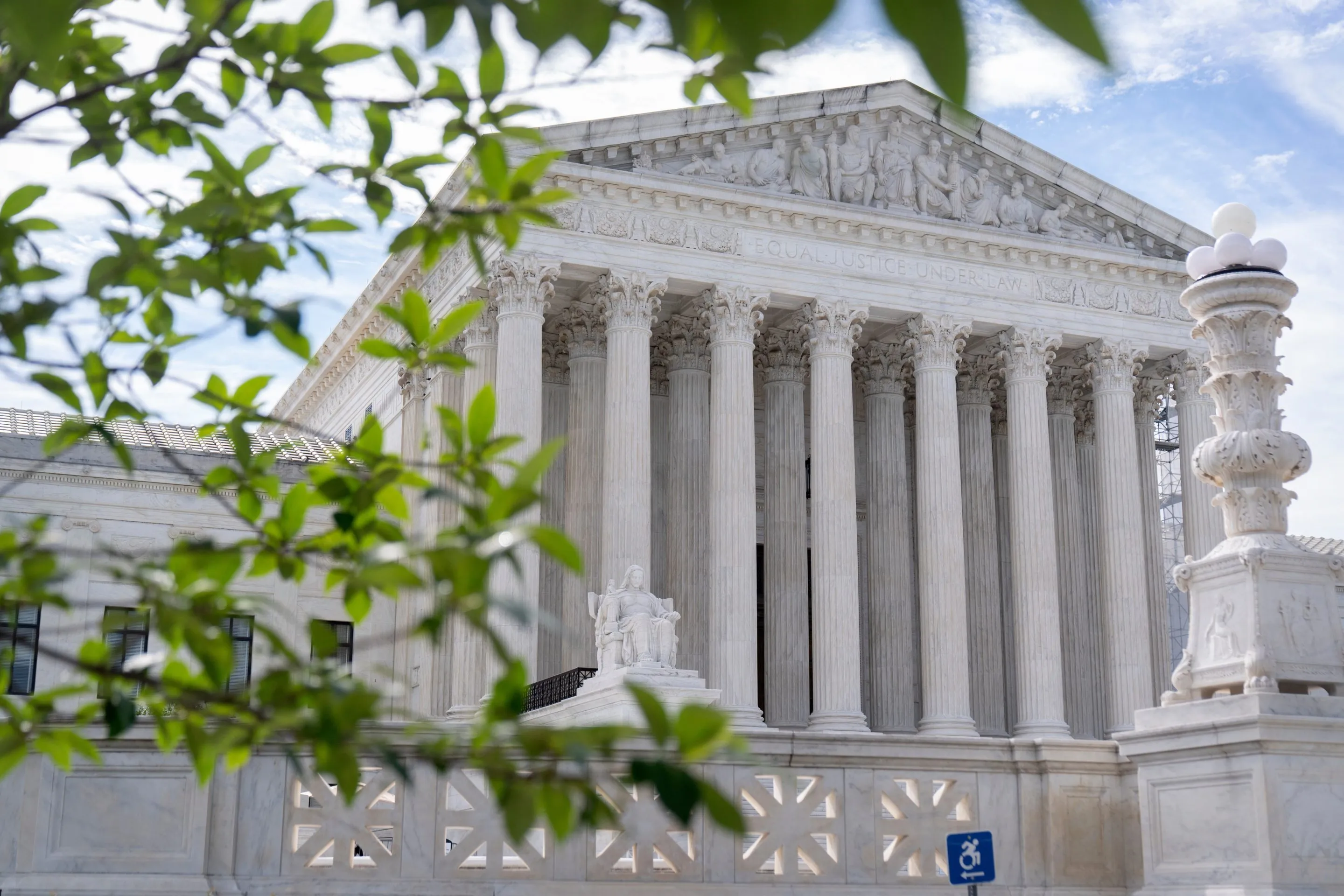
Photo: Fortune
A Landmark Decision With Immediate Financial Implications
Apple stands to benefit significantly after the U.S. Supreme Court struck down major portions of former President Donald Trump’s sweeping tariff framework. Since the duties were introduced, the company has accumulated roughly $3.3 billion in tariff expenses, averaging close to $1 billion per quarter at peak levels.
With the ruling removing large portions of those import levies, Apple’s cost base for U.S.-bound devices could decline meaningfully, potentially improving margins across its flagship hardware lineup and easing pressure on pricing strategies.
Lower Tariffs Could Simplify Apple’s Global Supply Chain
Tariffs had forced Apple to diversify manufacturing away from China, shifting significant production capacity to India and Vietnam to mitigate higher import duties. At one point, about half of iPhones sold in the U.S. were sourced from India, while Macs, Apple Watches, and AirPods for the American market were largely produced in Vietnam.
Now, with steep tariffs on China-made goods — previously reaching as high as 47 percent — effectively nullified, Apple has greater flexibility to rebalance production toward its most efficient manufacturing hubs. This could streamline logistics, reduce component costs, and shorten lead times across its supply chain.
The Question of Tariff Refunds
One of the most closely watched issues is whether Apple will attempt to recover the billions it has already paid. Analysts estimate that the federal government could ultimately face more than $175 billion in refund claims from importers following the court’s decision.
However, the process may be lengthy and legally complex. Government officials have signaled that reimbursement disputes could take years to resolve, leaving companies to weigh the financial upside of pursuing claims against the potential political and regulatory implications.
Pricing Strategy and Margin Protection
Throughout the tariff period, CEO Tim Cook repeatedly emphasized that Apple absorbed a substantial share of the additional costs rather than passing them fully on to consumers. That approach helped maintain demand stability across key product categories, though it weighed on gross margins.
With tariff pressures easing, Apple now has the option to either expand profitability or reinvest savings into product development, services, and supply chain resilience initiatives.
Ongoing Policy Uncertainty
Despite the favorable ruling, the broader trade environment remains fluid. New tariff mechanisms — including temporary global levies and ongoing trade investigations — could reintroduce costs or alter sourcing decisions in the future. For a company with one of the world’s most complex manufacturing networks, even modest policy shifts can translate into billions of dollars in operational impact.
As a result, Apple is likely to maintain a diversified production footprint while closely monitoring regulatory developments, balancing efficiency with geopolitical risk management.
Market Reaction and Strategic Outlook
Investors responded positively in the immediate aftermath of the decision, with Apple shares ticking higher as expectations for improved margins took hold. Over the longer term, the ruling reinforces Apple’s ability to preserve pricing power while maintaining flexibility in how and where it builds its products.
The company’s next moves — particularly around supply chain allocation and potential refund claims — will be closely watched as indicators of how multinational manufacturers adapt to a rapidly evolving global trade landscape.
.webp)
Popular articles



Subscribe to unlock premium content
Visa and the Invisible Engine Powering Global Digital Money

Disney’s Streaming Empire Built on Regional Storytelling Power

The Slow Revolution of Steel and Memory Across Eastern Europe

Visa and the Invisible Engine Powering Global Digital Money
Disney’s Streaming Empire Built on Regional Storytelling Power
Visa and the Invisible Engine Powering Global Digital Money