Retailers Welcome Tariff Rollback but Warn the Policy Battle Isn’t Over

Retailers Welcome Tariff Rollback but Warn the Policy Battle Isn’t Over
By
David Goldfarb
Last updated:
February 21, 2026
First Published:
February 21, 2026

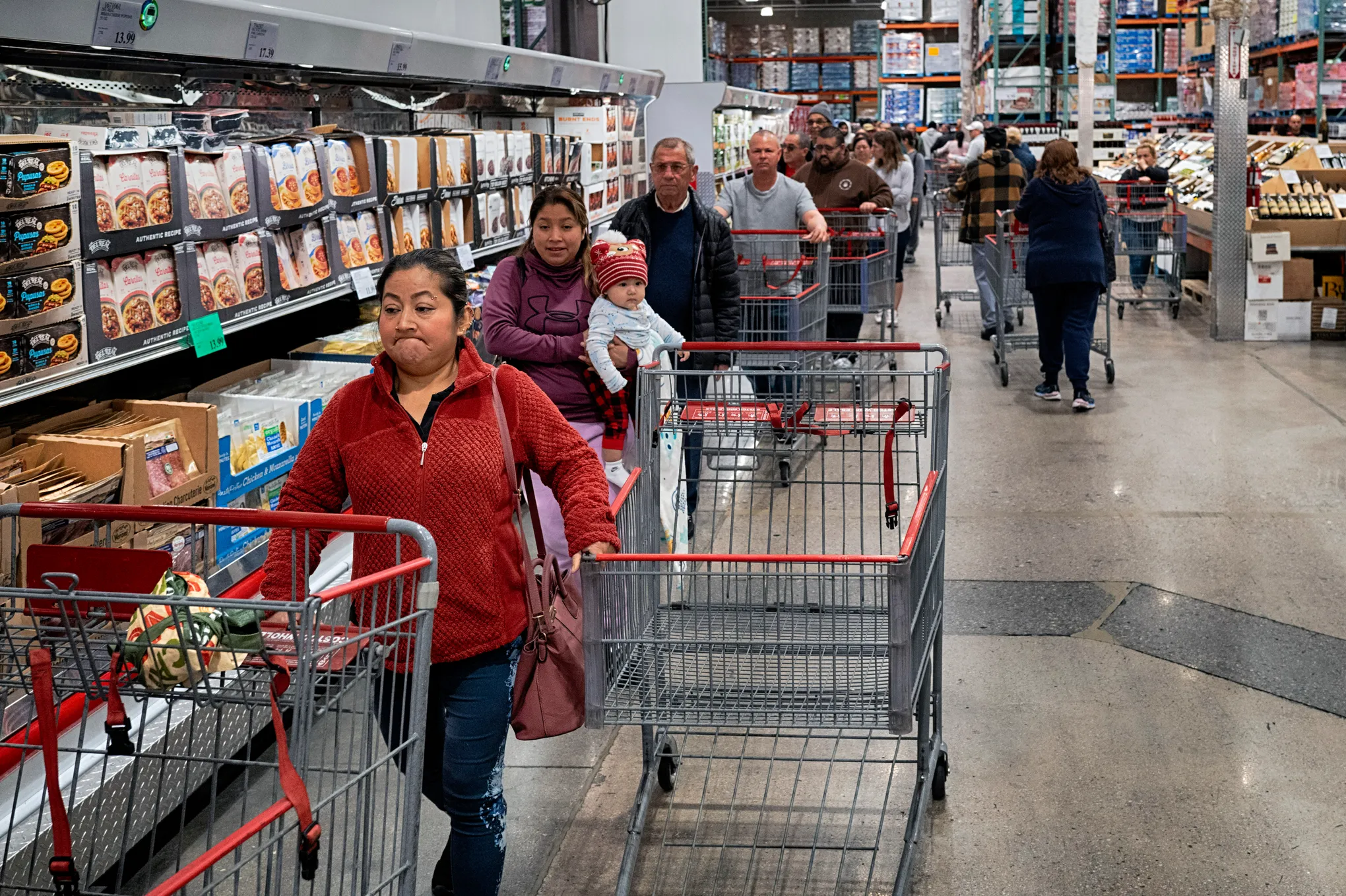
Photo: The Seattle Times
Industry Reaction to the Court Decision
Retail executives and trade associations broadly applauded the recent Supreme Court decision that invalidated key portions of former President Donald Trump’s global tariff framework, describing it as a step toward greater policy stability after years of uncertainty.
Organizations representing thousands of retailers said the ruling removes a major layer of ambiguity that had complicated pricing, sourcing, and inventory planning. For many companies, tariffs had translated into higher import costs, tighter margins, and difficult decisions around price increases or supply-chain restructuring.
The decision is expected to influence a sector responsible for trillions of dollars in annual consumer spending and millions of jobs across logistics, manufacturing, and storefront operations.
What the Ruling Means for Retail Costs
Industry groups emphasized that predictable trade policy is essential for long-term planning. With certain tariffs invalidated, retailers may gain flexibility to adjust pricing strategies and renegotiate supplier contracts.
However, the immediate financial impact remains uncertain. Key questions include whether previously collected duties will be refunded and how quickly those reimbursements might be processed. Some analysts estimate that refunds across the retail sector could total several billions of dollars, depending on how the government implements the decision.
Trade associations have urged policymakers to create a streamlined process for reimbursements, arguing that returning funds would allow companies to invest in hiring, technology upgrades, and price reductions.
Continued Policy Uncertainty
Despite the positive reaction, the ruling does not eliminate tariff risk altogether. The administration signaled that alternative trade measures — including narrower or sector-specific tariffs — remain on the table, reinforcing the view that tariffs will continue to be a core policy tool.
Retail policy experts note that while the court decision limits the scope of certain authorities, other legal mechanisms still allow tariffs to be introduced, though typically with stricter procedural requirements or time limits.
This means retailers may experience less volatility than before, but not a complete end to trade-related cost pressures.
Impact on Key Retail Segments
Apparel, footwear, and other discretionary categories have been among the most exposed to tariff swings because of their heavy reliance on overseas manufacturing, particularly in China and Southeast Asia.
The footwear industry is especially sensitive. Industry data indicates that nearly all shoes sold in the United States are imported, leaving brands vulnerable to even modest changes in duty rates. For many companies, shifting production back domestically is not economically viable due to higher labor and infrastructure costs.
Executives say the court’s decision reduces the risk of sweeping tariff hikes, allowing companies to focus on incremental supply-chain diversification rather than large-scale relocation.
Business Planning and Investment Implications
Retail leaders say tariff relief could translate into several operational benefits:
- More accurate demand forecasting
- Improved margin visibility
- Greater willingness to invest in expansion or hiring
- Potential moderation in consumer prices
Still, analysts caution that geopolitical tensions and trade negotiations will continue influencing sourcing strategies, meaning retailers must maintain flexible supply networks.
The Bottom Line for the Retail Sector
The Supreme Court ruling represents a meaningful win for retailers by removing one of the most sweeping tariff tools used in recent years. It provides a clearer framework for trade policy and reduces some of the cost pressures that have weighed on the industry.
Yet executives and analysts agree the broader trade environment remains fluid. Until refund mechanisms, replacement policies, and future tariff strategies become clearer, retailers are likely to remain cautious even as they welcome the near-term relief.
.webp)
Popular articles



Subscribe to unlock premium content
Visa and the Invisible Engine Powering Global Digital Money

Disney’s Streaming Empire Built on Regional Storytelling Power

The Slow Revolution of Steel and Memory Across Eastern Europe

Visa and the Invisible Engine Powering Global Digital Money
Disney’s Streaming Empire Built on Regional Storytelling Power
Visa and the Invisible Engine Powering Global Digital Money