Streaming Deal Battle Ends as Netflix Steps Back From Warner Bros. Discovery Pursuit

Streaming Deal Battle Ends as Netflix Steps Back From Warner Bros. Discovery Pursuit
By
David Goldfarb
Last updated:
February 27, 2026
First Published:
February 27, 2026

A Pivotal Shift in a High-Profile Media Takeover
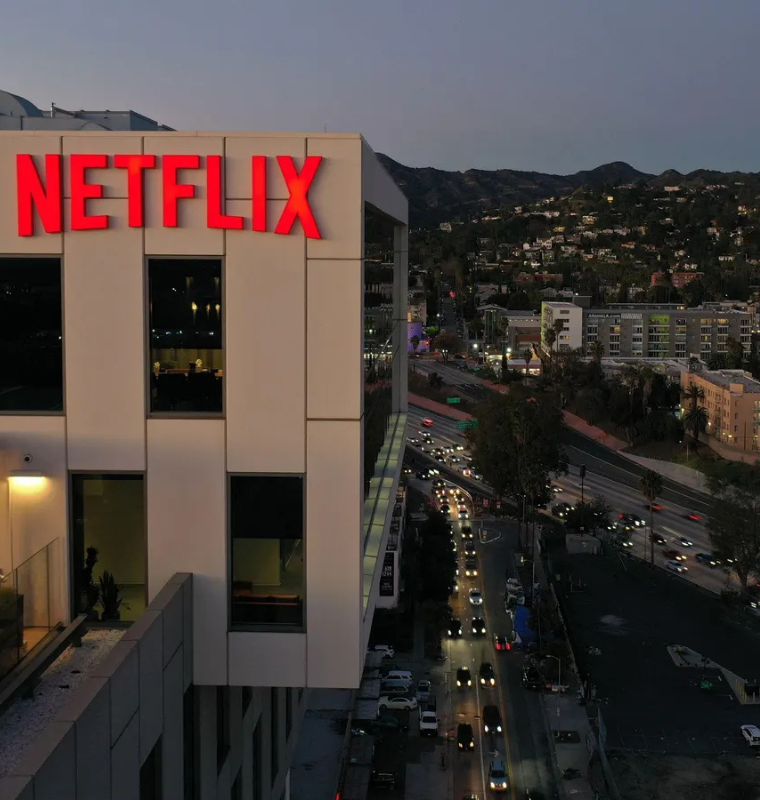
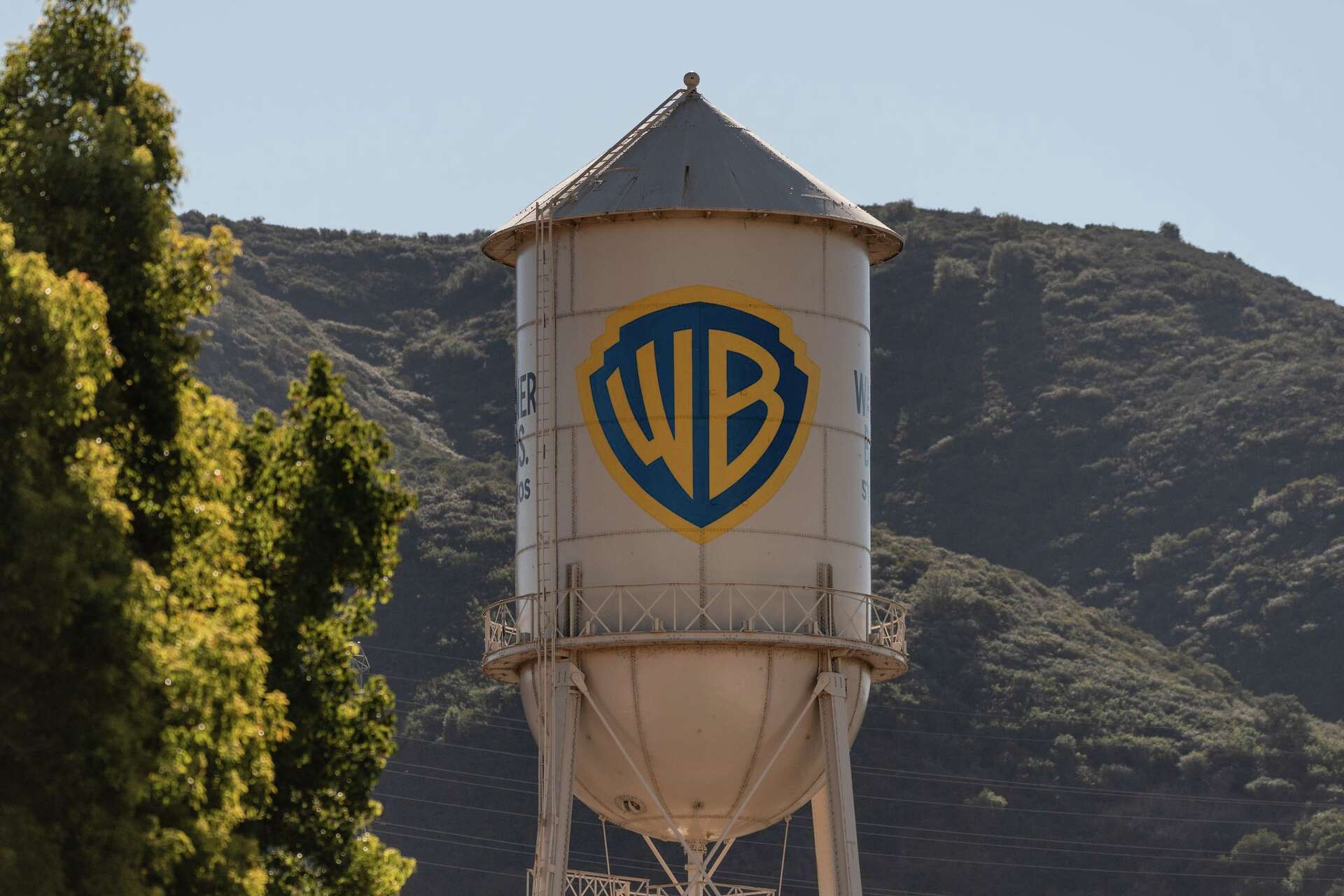
After months of negotiations and escalating offers, Netflix has officially withdrawn from its attempt to acquire the studio and streaming operations of Warner Bros. Discovery. The decision followed the WBD board’s determination that a revised all-cash proposal from Paramount Skydance delivered greater overall value for shareholders.
The move effectively ends one of the most closely watched media deal sagas of the year, underscoring how intense competition for premium content libraries and global distribution platforms has become in the streaming era.
Why the Paramount Offer Won
The turning point came when Paramount increased its bid to $31 per share, up from $30, valuing the transaction billions of dollars higher than Netflix’s $27.75-per-share proposal for select WBD assets. Unlike Netflix’s targeted acquisition strategy, Paramount’s offer covers the entire company, including cable networks such as CNN, TNT, and TBS, as well as its film studio and direct-to-consumer platforms.
Paramount also agreed to absorb a $2.8 billion breakup fee tied to the previous agreement and included a substantial $7 billion reverse termination fee should regulatory approval fail. These financial assurances significantly reduced execution risk, a key factor cited by board members in deeming the offer superior.
Netflix Chooses Financial Discipline Over Escalation
Despite being given a limited window to revise its bid, Netflix opted not to increase its offer. Executives signaled that matching the higher price would have diluted the strategic and financial rationale behind the acquisition.
Leadership emphasized that while the combination would have expanded its content pipeline and strengthened its position in theatrical production, the economics no longer met return thresholds. The company framed the decision as consistent with its long-standing capital allocation discipline, prioritizing profitability and shareholder returns over scale for its own sake.
Market Reaction and Investor Sentiment
The market response highlighted how investors viewed the outcome. Netflix shares jumped roughly 10 percent in after-hours trading, reflecting relief that the company avoided a costly bidding war. Paramount stock gained about 5 percent on optimism around the potential merger, while Warner Bros. Discovery shares slipped modestly as traders weighed integration risks and regulatory hurdles.
Analysts noted that the divergent stock movements illustrate a broader shift in investor priorities toward sustainable margins and free cash flow rather than aggressive consolidation.
Strategic Implications for the Media Landscape
If completed, the Paramount-WBD combination would create one of the largest content portfolios in the industry, spanning blockbuster film franchises, premium television brands, live news, sports rights, and multiple streaming services. The merged entity would compete more directly with global platforms by combining scale with a diversified revenue mix that includes advertising, subscriptions, and licensing.
For Netflix, the decision reinforces its strategy of organic growth, international expansion, and selective content investment rather than large-scale mergers. The company continues to focus on improving operating margins, expanding its advertising tier, and investing billions annually in original programming.
What Comes Next
The proposed merger still faces regulatory scrutiny, particularly around media concentration and competition in advertising and distribution markets. However, the substantial breakup protections and all-cash structure signal confidence from Paramount in the deal’s likelihood of closing.
For Warner Bros. Discovery shareholders, the board believes the transaction offers a clearer path to long-term value creation compared with the earlier asset-sale approach. For the broader entertainment sector, the episode highlights how consolidation pressures remain strong as traditional media companies seek scale to compete with global streaming leaders.
Ultimately, Netflix’s exit marks the end of a dramatic bidding contest and signals a new phase in the evolving battle for dominance across the entertainment ecosystem.
.webp)
Popular articles



Subscribe to unlock premium content
The Rise of Heritage Manor Stays in the United Kingdom Countryside

H&M’s Circular Fashion Model Is Redefining Fast Fashion’s Future

Samsung’s Ecosystem Strategy Beyond Smartphones

The Rise of Heritage Manor Stays in the United Kingdom Countryside
H&M’s Circular Fashion Model Is Redefining Fast Fashion’s Future
The Rise of Heritage Manor Stays in the United Kingdom Countryside