Novartis and Genentech Sue Over Alleged Illegal Import of Allergy Medication from Canada

Novartis and Genentech Sue Over Alleged Illegal Import of Allergy Medication from Canada
By
Leah Rosenfeld
Last updated:
February 27, 2026
First Published:
February 27, 2026

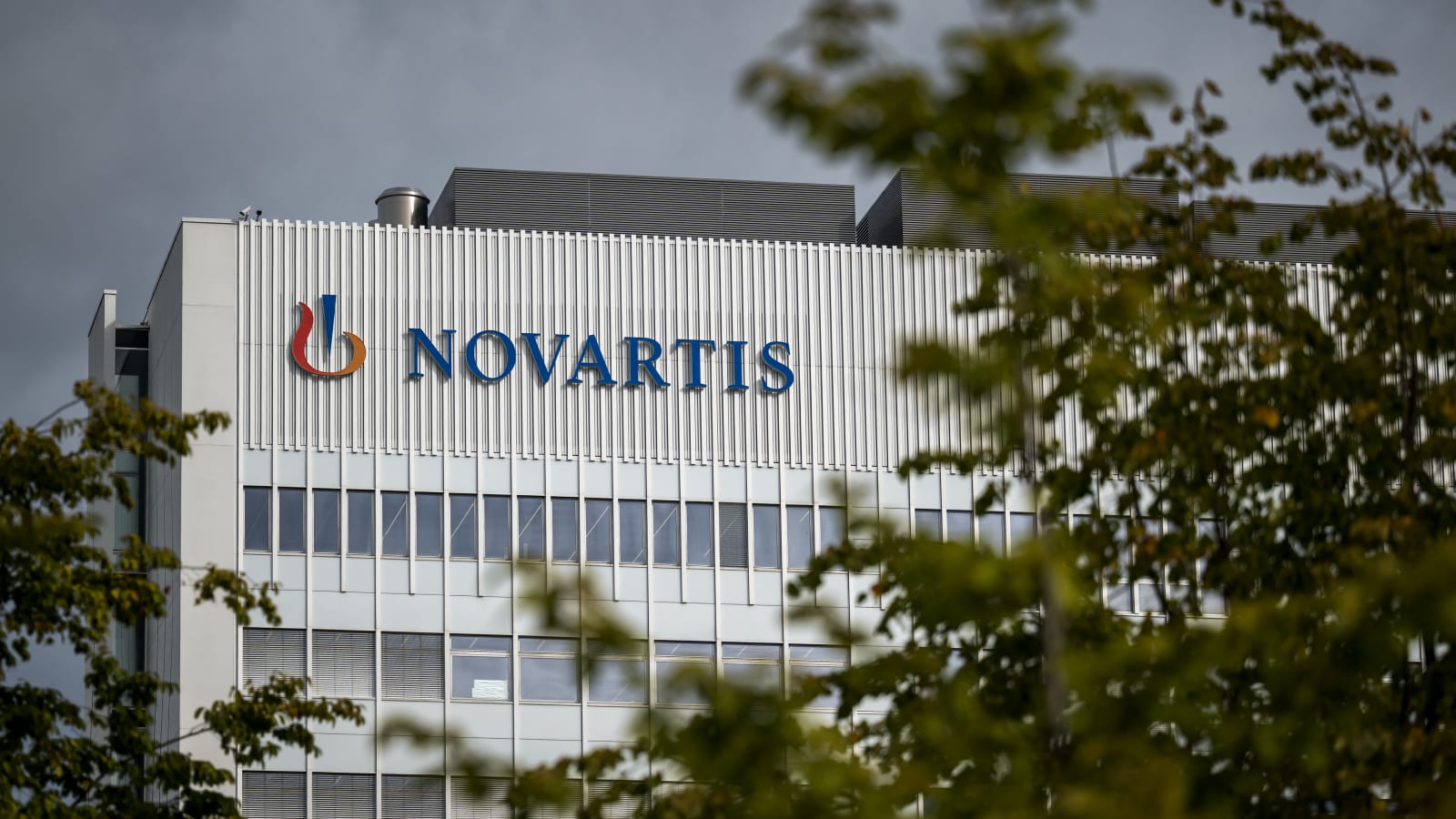
A sign of Swiss pharmaceutical giant Novartis is seen on the top of a building in Basel, Switzerland, Sept. 9, 2025.
Fabrice Coffrini | AFP | Getty Images
Novartis and Genentech have filed a federal lawsuit against a U.S.-based company and a Canadian pharmacy, alleging the illegal importation of Xolair, a prescription biologic used to treat severe asthma, food allergies, and other respiratory conditions. The lawsuit warns that the unauthorized import of the drug could compromise patient safety due to its sensitive storage and handling requirements.
This legal action highlights growing tensions over so-called alternative funding programs (AFPs), which have expanded across the U.S., offering access to lower-cost specialty medications by sourcing them from overseas markets, despite federal regulations prohibiting such imports.
Details of the Lawsuit
Filed on February 2 in U.S. District Court in Michigan, the complaint names SHARx, an AFP based in St. Louis, Missouri, and Campbell Heights Pharmacy in British Columbia, Canada, as defendants. According to the plaintiffs, SHARx facilitated shipments of the Canadian version of Xolair to a Michigan allergy and asthma center, circumventing FDA safeguards.
The lawsuit emphasizes that biologic drugs like Xolair are highly sensitive and require strict temperature-controlled shipping. Any deviation in handling could lead to contamination or degradation, potentially putting patients at risk of serious injury or death.
“Biological medicines, like the U.S. Xolair medicine, require particular care because their complex composition and sensitivity to storage conditions make them susceptible to contamination and reduced efficacy,” the complaint states.
Novartis and Genentech are seeking an injunction to stop SHARx and the Canadian pharmacy from continuing to distribute Xolair in violation of U.S. law.
The Rise of Alternative Funding Programs
AFP businesses, which contract with employers, unions, and school districts, promise to reduce the cost of high-priced medications by sourcing them internationally. CNBC’s investigation last year found that some employers required staff to use SHARx for specialty drugs, effectively making the AFP the only coverage option for certain medications.
Federal regulators have repeatedly warned that importing drugs intended for foreign markets is illegal and can endanger patient health. Despite this, AFPs have continued to operate nationwide, attracting scrutiny from pharmaceutical companies and regulators alike.
SHARx has defended its business model in the past, stating that it provides a lower-cost alternative for patients burdened by expensive U.S. drug prices. The company has not publicly commented on the Novartis and Genentech lawsuit. Similarly, Campbell Heights Pharmacy did not respond to requests for comment.
Health Risks and Legal Implications
The plaintiffs argue that the imported Xolair supplied by SHARx could mislead patients into believing they are receiving the same quality and safety standards as medications from U.S. pharmacies. Unlike FDA-approved U.S. products, these imports lack guaranteed oversight for manufacturing, transport, and storage, creating the potential for adverse events.
This lawsuit follows similar legal action by Gilead Sciences in late 2024, which also targeted AFPs for illegally importing medications. The defendants in those cases have denied wrongdoing, signaling a likely drawn-out legal battle over the scope of AFP operations and patient safety standards.
Broader Industry Context
The case underscores ongoing challenges in the U.S. healthcare system, where the high cost of prescription drugs has fueled demand for alternative sourcing methods. While AFPs address affordability concerns, pharmaceutical companies argue that bypassing regulatory protections poses serious risks.
Experts say the dispute could set a precedent for how the FDA and courts handle unauthorized drug imports, potentially influencing policies for specialty biologics, temperature-sensitive medications, and employer-based pharmaceutical programs.
As specialty drug prices continue to rise, conflicts between cost-saving alternatives and regulatory compliance are expected to intensify, making patient safety and legal enforcement central concerns for the industry.
.webp)
Popular articles



Subscribe to unlock premium content
Estée Lauder – The Woman Who Revolutionized Cosmetics Marketing with Free Samples

Vending Machines in Japan
Polaroid The Instagram of the 70s

Estée Lauder – The Woman Who Revolutionized Cosmetics Marketing with Free Samples
Vending Machines in Japan
Estée Lauder – The Woman Who Revolutionized Cosmetics Marketing with Free Samples