Strait of Hormuz Crisis Deepens as Ceasefire Teeters and Oil Markets Reignite Volatility

Strait of Hormuz Crisis Deepens as Ceasefire Teeters and Oil Markets Reignite Volatility
By
Alina Sinclair
Last updated:
April 20, 2026
First Published:
April 20, 2026

Global energy markets and geopolitical stability are once again under severe strain as tensions between the United States and Iran escalate, threatening to collapse an already fragile ceasefire and prolong one of the most disruptive shipping crises in recent years.
Shipping traffic through the Strait of Hormuz has effectively stalled after multiple vessels came under fire during transit, forcing tankers and commercial ships to halt or reverse course. The waterway, which normally handles nearly 20% of global oil flows, has seen repeated closures and partial reopenings over the past several weeks, creating extreme volatility in energy supply chains.
The situation deteriorated sharply after a brief moment of relief when Iran announced the reopening of the Strait, triggering a more than 10% drop in crude oil prices. That optimism quickly faded when new naval confrontations and reported gunfire forced shipping activity to grind to a halt once again. By the weekend, vessels attempting to pass through the Gulf reported being targeted mid-route, with some turning back entirely due to safety risks.
The escalation intensified further when the U.S. Navy seized an Iranian container ship in the Gulf of Oman, an act that Washington described as a response to ceasefire violations. In contrast, Tehran accused the U.S. of maintaining a naval blockade and undermining the truce, further deepening mistrust between the two sides.
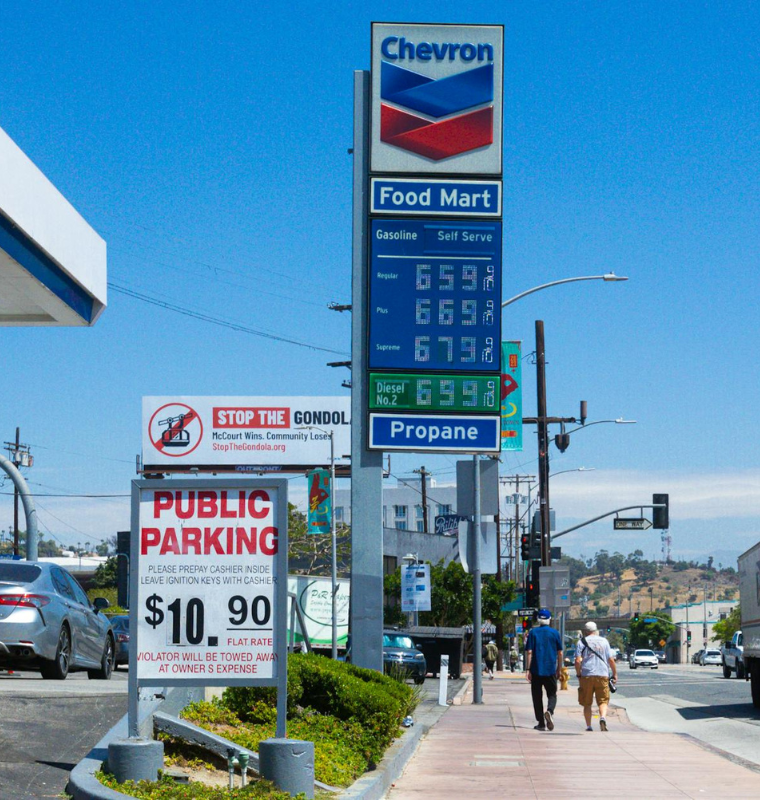
Markets reacted immediately to the renewed instability. U.S. equity futures declined while oil prices surged. West Texas Intermediate crude climbed more than 6% to around $89 per barrel, while Brent crude rose over 5% to approximately $95.50, reflecting heightened fears of prolonged supply disruptions.
Energy analysts estimate that nearly 13 million barrels per day of oil, condensates, and natural gas liquids have been effectively removed from global supply due to repeated closures and shipping interruptions. Cumulatively, this represents hundreds of millions of barrels of lost output, creating one of the most significant energy flow disruptions in modern market history.
The crisis now hinges on whether diplomatic talks between Washington and Tehran can resume. A potential second round of negotiations had been discussed for meetings in Pakistan, but expectations remain uncertain. While U.S. officials suggested talks could resume shortly, Iranian authorities have pushed back, citing unresolved issues, shifting demands, and ongoing military pressure as barriers to progress.
The initial round of negotiations failed to produce a breakthrough, with proposals including a long-term pause on uranium enrichment rejected by Iran. The gap between the two sides remains wide, particularly over security guarantees, sanctions relief, and the broader framework for de-escalation.
Analysts warn that even if a diplomatic agreement is reached, the economic damage will not reverse quickly. Restoring disrupted oil flows, stabilizing shipping insurance rates, and rebuilding logistics confidence could take months. During that time, oil prices are expected to remain elevated, with some projections suggesting crude could stabilize in the $80 to $90 range even after short-term volatility fades.
The broader macroeconomic implications are significant. Institutions such as the International Monetary Fund have warned that prolonged instability in the Strait of Hormuz could weigh on global growth, fuel inflationary pressure, and increase energy costs across both developed and emerging economies.
Market strategists note that investor sentiment has so far remained surprisingly resilient, with equity markets only partially reacting to the escalation. However, several economists caution that this stability may be temporary if disruptions continue. The risk, they argue, is that energy shocks begin to spill over into broader inflation trends and consumer demand.
There is also concern that the current situation could trigger a prolonged cycle of escalation and retaliation. With shipping lanes repeatedly disrupted and diplomatic channels under strain, the risk of miscalculation remains high. Any further attack on vessels or energy infrastructure could quickly push the situation from contained tension into sustained conflict.
For now, the Strait of Hormuz remains the central pressure point of global energy security. As long as uncertainty persists, markets are likely to remain volatile, with oil prices reacting sharply to every development. What was initially viewed as a temporary disruption is increasingly being treated as a structural risk event with global consequences.
.webp)
Popular articles



Subscribe to unlock premium content
Oprah’s Empire of Influence

Capsule Hotels Reinvented for the Elite

Sky-High Living in Singapore

Oprah’s Empire of Influence
Capsule Hotels Reinvented for the Elite
Oprah’s Empire of Influence