Rising Gas Prices and Geopolitical Tensions Are Squeezing America’s ‘Fun Economy’

Rising Gas Prices and Geopolitical Tensions Are Squeezing America’s ‘Fun Economy’
By
Leah Rosenfeld
Last updated:
April 20, 2026
First Published:
April 20, 2026

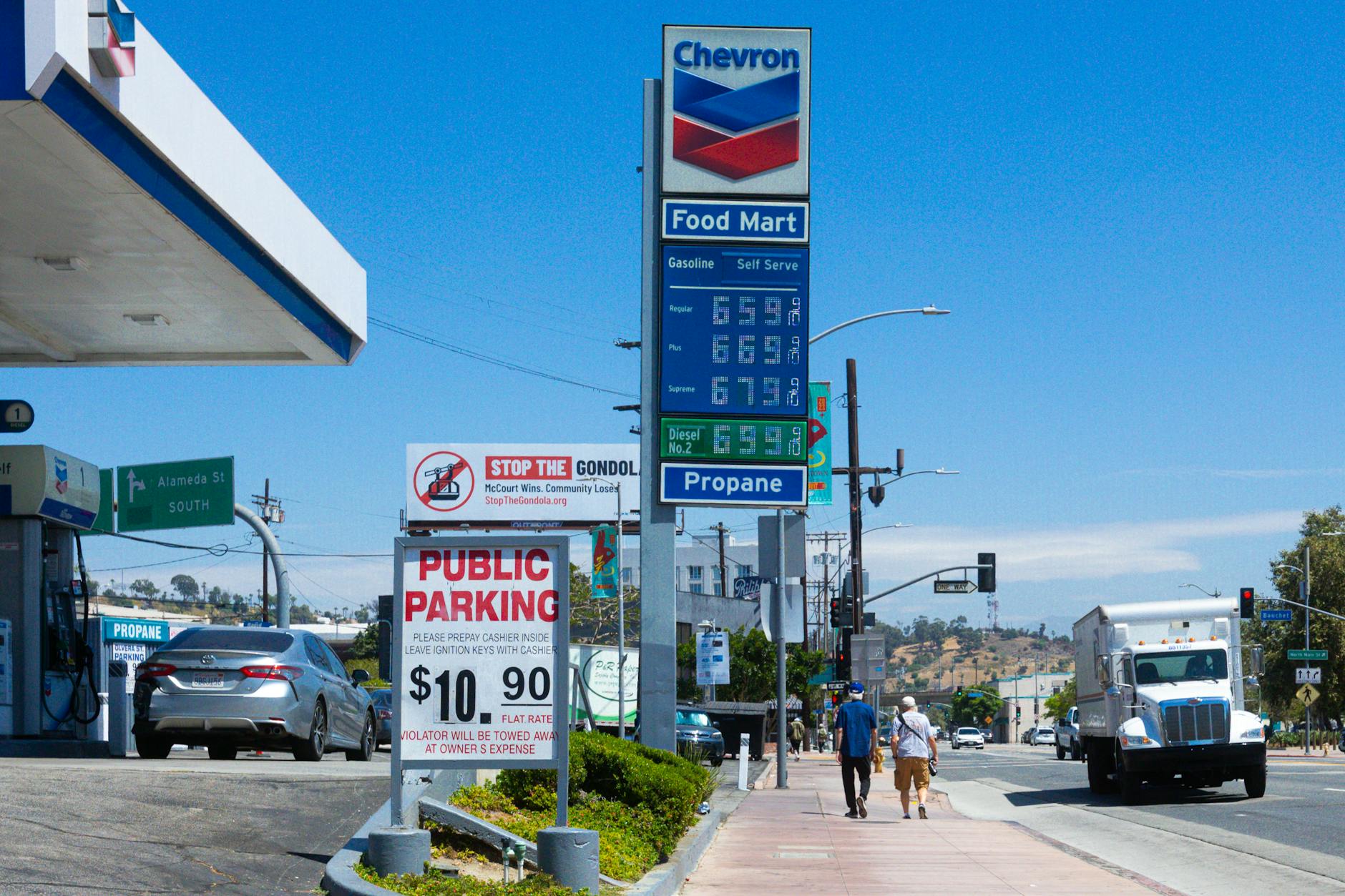
Consumer spending in the U.S. remains resilient on the surface, but a closer look reveals growing cracks in discretionary categories as geopolitical tensions and rising fuel costs reshape behavior. The ongoing conflict involving the U.S. and Iran, combined with gasoline prices hovering near $4 per gallon, is dampening demand for non-essential activities—from dining and entertainment to travel and local events.
While overall credit and debit card spending continues to hold steady, the composition of that spending is shifting. Data shows that gas station spending has surged by more than 16% year over year, reflecting higher fuel costs, while broader spending excluding gas has grown at a much slower pace of around 3.6%. This imbalance suggests that households are reallocating budgets toward essentials, leaving less room for leisure and “fun” purchases.
This shift is becoming increasingly visible across experiential businesses. Entertainment venues such as arcades, bowling centers, and escape rooms are seeing declining foot traffic. Companies like Dave & Buster’s and Bowlero have reported noticeable drops in visits, with some locations experiencing double-digit percentage declines. Even escape room operators, once a fast-growing segment of the experience economy, have seen traffic fall by nearly 7% in recent months.
The impact extends beyond large chains to smaller, local economies. Events tied to travel and tourism—such as amateur sports competitions, cycling races, and regional festivals—are particularly vulnerable. Each participant in these events can generate between $900 and $1,000 in local economic activity through spending on hotels, food, and transportation. When attendance drops, the ripple effects hit restaurants, retailers, and service workers, amplifying the economic slowdown at a community level.
What makes this trend notable is that it is occurring despite a relatively strong labor market. Unemployment remains low, and wages have shown moderate growth. However, consumer sentiment tells a different story. Surveys indicate confidence has fallen sharply, with readings hitting historic lows as households react to uncertainty around global conflict, inflation risks, and future economic stability.
The psychology behind this behavior is well understood. When fuel costs rise, consumers tend to cut back first on discretionary spending—the easiest category to delay or eliminate. Activities like entertainment, travel, and dining out are often the first to be sacrificed, even if overall income levels remain stable. This creates a disconnect where the economy appears healthy in aggregate data, but specific sectors experience meaningful slowdowns.
Geopolitical uncertainty is further complicating the outlook. Fluctuations in oil prices, driven by developments in key shipping routes like the Strait of Hormuz, are feeding into broader inflation concerns. Even temporary disruptions can have outsized effects on consumer behavior, as households become more cautious about future expenses.
Despite the current slowdown, there are signs that demand has not disappeared entirely. Certain segments, such as movie theaters, have bucked the trend, supported by strong content releases and pent-up demand for out-of-home experiences. This suggests that consumers are becoming more selective rather than eliminating discretionary spending altogether.
Businesses are also adapting. Some operators are continuing to invest in expansion and new experiences, betting that the current downturn is temporary. The expectation among many industry leaders is that once fuel prices stabilize and geopolitical tensions ease, consumer demand for entertainment and leisure will rebound.
However, the duration of current pressures remains a critical variable. If elevated gas prices persist and uncertainty continues, the impact could extend beyond a short-term pause and begin to reshape long-term spending habits. Surveys already show that around 27% of consumers are actively cutting back on discretionary purchases, signaling a broader shift in priorities toward essentials like housing, groceries, and utilities.
For now, the U.S. consumer remains active but increasingly cautious. Spending has not collapsed, but the enthusiasm for non-essential experiences is fading. What was once a booming “fun economy” is now entering a more uncertain phase, where every dollar is weighed more carefully and every outing is less impulsive.
.webp)
Popular articles



Subscribe to unlock premium content
Oprah’s Empire of Influence

Capsule Hotels Reinvented for the Elite

Sky-High Living in Singapore

Oprah’s Empire of Influence
Capsule Hotels Reinvented for the Elite
Oprah’s Empire of Influence