Starmer Criticizes Global Power Politics as Energy Volatility Hits UK Households

Starmer Criticizes Global Power Politics as Energy Volatility Hits UK Households
By
Augusta Parker
Last updated:
April 10, 2026
First Published:
April 25, 2026


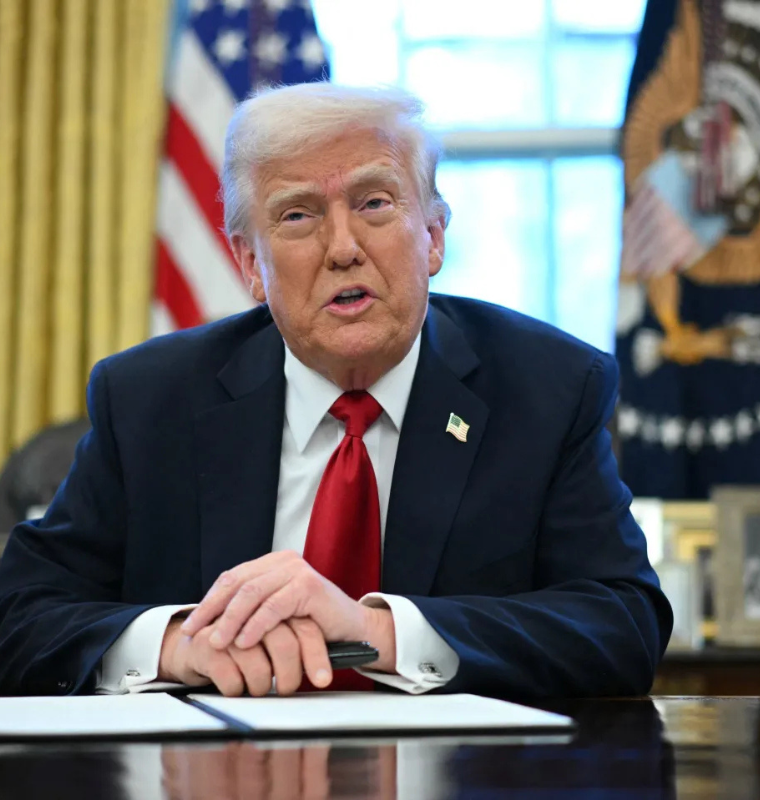
Photo: Bloomberg News
The United Kingdom’s energy crisis is once again in focus as Keir Starmer delivers a sharp critique of global political dynamics, blaming international tensions for the continued volatility in household and business energy costs. In a candid public statement, Starmer expressed frustration over how external geopolitical decisions are directly impacting the financial stability of millions across the UK.
Speaking in a recent interview, Starmer highlighted the growing unpredictability of energy prices, pointing to the influence of Donald Trump and Vladimir Putin on global energy markets. According to the Prime Minister, UK families and businesses are being forced to absorb the consequences of decisions made thousands of miles away, resulting in frequent and often sharp fluctuations in energy bills.
This concern comes at a time when global oil markets are experiencing heightened volatility. Prices have surged significantly during the ongoing conflict involving the United States, Israel, and Iran, with benchmark crude hovering near the $95 to $100 per barrel range in recent weeks. Although a temporary two-week ceasefire has been established, markets remain unstable, with traders closely watching for any signs of renewed escalation.
The UK, like much of Europe, remains highly exposed to global energy price movements. Since the onset of the Russia-Ukraine war in early 2022, energy costs across the region have experienced repeated spikes, driven by supply disruptions, sanctions, and shifting trade flows. The conflict has already contributed to long-term structural changes in Europe’s energy strategy, including reduced reliance on Russian gas and increased investment in alternative sources.
For households, the impact has been substantial. Average UK energy bills have fluctuated dramatically over the past three years, at times rising by more than 50% during peak periods of the crisis. Although government interventions and price caps have provided some relief, underlying volatility continues to strain household budgets and business operating costs.
Starmer’s remarks also reflect broader economic concerns. Energy prices are a key driver of inflation, influencing everything from transportation and manufacturing to food production. Persistent volatility not only affects consumer confidence but also complicates monetary policy decisions, particularly for central banks attempting to balance inflation control with economic growth.
Beyond energy markets, the Prime Minister addressed the wider geopolitical environment, including ongoing tensions in the Middle East. He criticized recent military actions involving Israel, stating that strikes carried out during a ceasefire period were unjustified and risked further destabilizing an already fragile situation. These developments have added another layer of uncertainty to global markets, particularly in the energy sector, where supply chains remain sensitive to geopolitical disruptions.
From the U.S. perspective, officials have defended recent actions, emphasizing national security priorities and efforts to counter long-standing threats in the region. However, the divergence in viewpoints underscores the complexity of global diplomacy, where strategic decisions often carry unintended economic consequences for allied nations.
The underlying issue, as highlighted by Starmer, is the interconnected nature of modern energy systems. Global supply chains, pricing mechanisms, and geopolitical alliances are tightly linked, meaning that disruptions in one region can quickly ripple across the world. For the UK, which imports a significant portion of its energy needs, this exposure is particularly pronounced.
Looking ahead, the UK government is expected to accelerate efforts to reduce dependence on volatile international energy markets. This includes expanding renewable energy capacity, investing in domestic production, and improving energy efficiency across industries and households. While these measures may take years to fully materialize, they are increasingly seen as essential for long-term economic stability.
In the short term, however, energy price volatility is likely to remain a defining challenge. As geopolitical tensions persist and global supply dynamics continue to shift, UK households and businesses may need to brace for ongoing fluctuations.
Starmer’s message is clear: without greater stability in global politics, domestic energy security will remain vulnerable. The challenge now lies in navigating an increasingly complex international landscape while protecting consumers from the financial impact of forces beyond national control.
.webp)
Popular articles



Subscribe to unlock premium content
The Hidden World of Ultra-Rare Seaweed Farming
Riding Waves and Wealth in Bali

The Market for Renting Private Libraries Where Only Rare, Unpublished Manuscripts Exist

The Hidden World of Ultra-Rare Seaweed Farming
Riding Waves and Wealth in Bali
The Hidden World of Ultra-Rare Seaweed Farming