SpaceX Sets Sights on Historic $75 Billion IPO as Valuation Targets $1.75 Trillion

SpaceX Sets Sights on Historic $75 Billion IPO as Valuation Targets $1.75 Trillion
By
Augusta Parker
Last updated:
June 4, 2026
First Published:
June 4, 2026

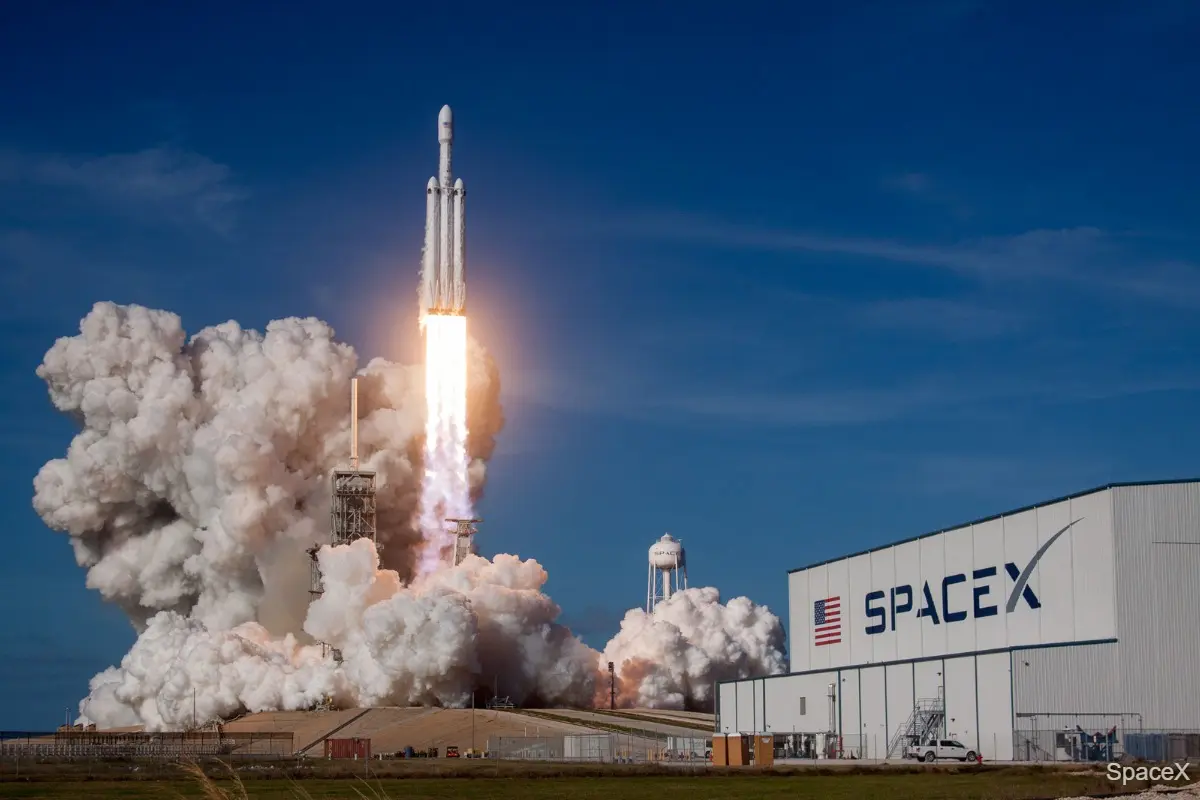
The highly anticipated public debut of SpaceX is rapidly approaching, and the numbers behind the offering are capturing the attention of investors worldwide.
According to people familiar with the matter, the aerospace giant plans to market its initial public offering at a fixed price of $135 per share, resulting in an estimated valuation of approximately $1.75 trillion. If completed at that level, the offering would instantly place SpaceX among the most valuable companies in American history and establish it as one of the dominant forces in global capital markets.
The IPO is expected to mark a defining moment not only for the space industry but also for the broader technology and investment landscape, as investors gain their first opportunity to own shares in one of the world's most influential private companies.
A Record-Breaking Public Offering Takes Shape
SpaceX plans to sell approximately 555.6 million shares in the offering, generating an estimated $75 billion in proceeds.
At $135 per share, the company would enter public markets with a valuation that exceeds many of the world's most recognizable corporations.
The proposed market capitalization would place SpaceX among the seven largest publicly traded companies in the United States, ahead of numerous technology, industrial, and automotive giants.
Such a valuation reflects investor confidence in the company's leadership position across multiple rapidly growing industries, including:
- Commercial space launches
- Satellite internet services
- Defense and government contracts
- Deep-space exploration technologies
- Space infrastructure development
- Advanced rocket manufacturing
The scale of the transaction would make it one of the largest equity offerings ever completed globally.
Why the Fixed Pricing Strategy Is Unusual
Most companies entering public markets provide investors with a price range during the roadshow process.
This approach allows investment banks and company executives to gauge investor demand and adjust pricing before shares begin trading.
SpaceX is reportedly taking a different route.
Instead of presenting a traditional range, the company plans to market the offering at a fixed $135 per share.
The decision follows extensive investor outreach and "testing-the-waters" meetings conducted with institutional investors before the official roadshow launch.
By the time companies reach this stage, they typically have a strong understanding of demand levels. The fixed-price approach suggests management and underwriting teams have significant confidence in investor interest.
Nasdaq Debut Expected to Draw Global Attention
The company is expected to begin trading on the Nasdaq under the ticker symbol SPCX.
The launch is anticipated to become one of the most closely watched stock market events of the decade.
Institutional investors, hedge funds, pension managers, retail investors, and sovereign wealth funds have all expressed interest in gaining exposure to the company.
For years, SpaceX has remained one of the most sought-after private investments in the world, with access largely limited to venture capital firms, private equity investors, and select accredited investors.
An IPO changes that dynamic by opening ownership to a much broader investor base.
SpaceX Would Leap Ahead of Many Corporate Giants
At a projected valuation of $1.75 trillion, SpaceX would immediately rank among America's corporate elite.
The valuation would surpass the market value of numerous established blue-chip companies and even exceed the current market capitalization of Tesla, another company led by billionaire entrepreneur Elon Musk.
Such a valuation highlights the extraordinary expectations investors have for SpaceX's long-term growth potential.
Unlike many aerospace firms that rely heavily on government contracts, SpaceX has diversified its business model through launch services, commercial satellite deployments, national security missions, and consumer-facing internet services.
Starlink Continues to Drive Growth
One of the most valuable assets within the SpaceX ecosystem is its satellite internet division, Starlink.
The service has grown rapidly over the past several years, expanding across North America, Europe, Asia, Africa, and Latin America.
Industry analysts estimate that millions of customers now use Starlink's broadband network, making it one of the largest satellite internet providers globally.
The division generates recurring subscription revenue, providing a more predictable cash flow stream compared with traditional launch operations.
Many investors view Starlink as a major contributor to SpaceX's premium valuation.
The business is expected to benefit from increasing demand for:
- Rural broadband connectivity
- Enterprise communications
- Maritime internet services
- Aviation connectivity
- Military communications infrastructure
- Emergency response networks
Investor Interest Remains Strong Despite Financial Challenges
SpaceX's public filing revealed billions of dollars in losses, highlighting the enormous capital requirements involved in building rockets, satellites, launch infrastructure, and future Mars exploration technologies.
However, investors appear willing to overlook short-term losses in exchange for exposure to long-term growth opportunities.
The company continues investing aggressively in:
- Starship development
- Reusable launch technology
- Satellite expansion
- Lunar exploration programs
- Deep-space transportation systems
- Global communications infrastructure
Many growth-oriented investors compare SpaceX's current stage to earlier periods in the evolution of transformative companies that prioritized expansion over near-term profitability.
Employee Share Program Expands Access
Recent filings also indicate that SpaceX plans to reserve up to 5% of IPO shares for eligible employees and certain individuals through a direct share program.
Such programs are designed to allow employees and other stakeholders to participate directly in the offering, often strengthening alignment between workers and shareholders.
Employee ownership programs have become increasingly popular among large technology companies seeking to reward long-term contributors during major liquidity events.
The initiative could allow thousands of current and former employees to benefit from the company's transition to public ownership.
Competition Intensifies Across the Tech IPO Market
SpaceX's debut arrives at a time when several major artificial intelligence companies are also preparing for potential public offerings.
The race to reach public markets has accelerated as investor demand for high-growth technology businesses remains strong.
Among the most closely watched companies are:
- Anthropic
- OpenAI
Both firms are widely viewed as future IPO candidates and are expected to attract significant investor interest when they eventually enter public markets.
The arrival of multiple blockbuster offerings could create one of the most active periods for technology IPOs since the late 2020s.
Speculation Grows Around Tesla and SpaceX
As SpaceX approaches public markets, speculation continues regarding the future relationship between SpaceX and Tesla.
The two companies have collaborated extensively over the years, sharing talent, engineering expertise, technology development resources, and strategic leadership.
Reports suggest that discussions regarding deeper integration between the businesses have circulated internally for years.
While no formal plans have been announced, market observers continue to speculate about the possibility of closer cooperation between Musk's flagship companies in areas such as manufacturing, artificial intelligence, robotics, energy systems, communications infrastructure, and autonomous technologies.
Any future strategic alignment would likely attract significant attention from investors and regulators alike.
A Landmark Moment for the Space Industry
The upcoming IPO represents far more than a corporate milestone.
For decades, the space sector was dominated by government agencies and traditional aerospace contractors. SpaceX helped transform that model by proving that private companies could lead innovation in launch systems, satellite networks, and deep-space exploration.
A successful public debut would provide additional capital to support ambitious projects while giving investors direct exposure to one of the most influential companies shaping the future of transportation, communications, and space exploration.
With a projected $75 billion offering size, a $1.75 trillion valuation, and global investor interest reaching extraordinary levels, SpaceX's Nasdaq debut is positioned to become one of the most consequential stock market events in modern financial history.
.webp)
Popular articles



Subscribe to unlock premium content
The Rise of Indoor Vertical Gardening

Esports Tournaments Are Becoming the New Spectator Sport

Minimalism in Motion

The Rise of Indoor Vertical Gardening
Esports Tournaments Are Becoming the New Spectator Sport
The Rise of Indoor Vertical Gardening