South Korea’s Lee Heads to Beijing for High-Stakes Talks After North Korea Missile Launch

South Korea’s Lee Heads to Beijing for High-Stakes Talks After North Korea Missile Launch
By
Rachel Steinberg
Last updated:
January 5, 2026
First Published:
January 5, 2026

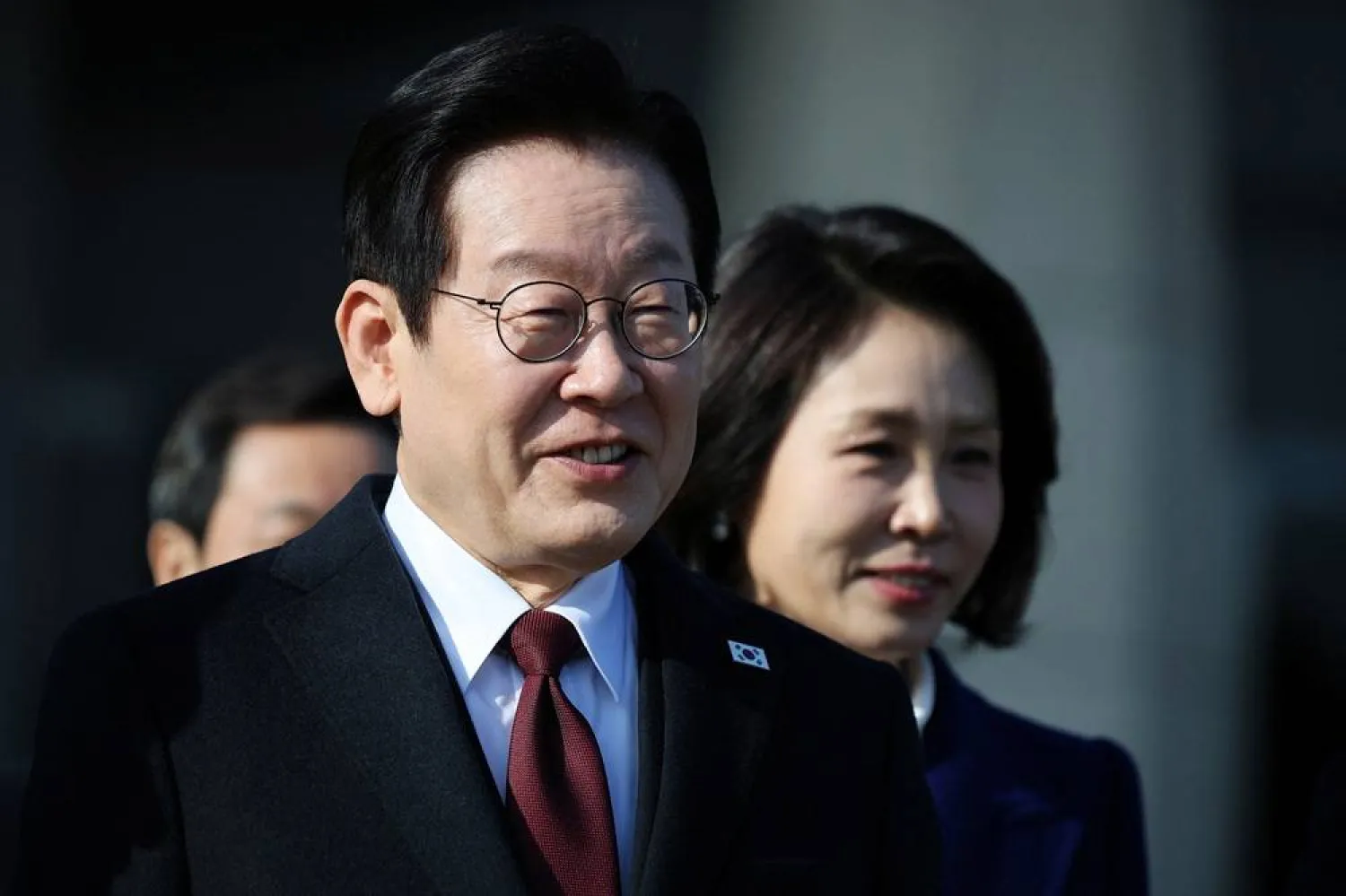
Photo: Ashraq Al-Awsat
Diplomacy Begins Amid Escalating Tensions
South Korean President Lee Jae Myung began a four-day state visit to China on Sunday, just hours after North Korea fired a series of ballistic missiles, underscoring the fragile security environment surrounding the Korean Peninsula. The timing of the trip places Lee’s diplomacy under sharp focus, as Seoul seeks to balance regional stability with economic priorities during a period of heightened global uncertainty.
The visit marks Lee’s first official trip to China since taking office in June and comes against the backdrop of growing geopolitical strain worldwide, including recent U.S. military action in Venezuela and renewed concerns over major power rivalries.
A Closely Watched Meeting With Xi Jinping
Lee is expected to meet Chinese President Xi Jinping during the visit, their second meeting in less than two months. Such a short interval between summits is unusual and widely interpreted by analysts as a sign of Beijing’s desire to strengthen engagement with Seoul, particularly as China’s relations with Japan have deteriorated sharply.
Tensions between Beijing and Tokyo have escalated in recent months, especially after Japanese Prime Minister Sanae Takaichi suggested late last year that Japan could consider military action if China moved against Taiwan. China views Taiwan as part of its territory, a claim firmly rejected by Taipei.
Against this backdrop, South Korea has emerged as a key diplomatic and economic partner for China in Northeast Asia.
North Korea’s Missiles Send a Signal
North Korea’s missile launches on Sunday added urgency to Lee’s visit. Experts believe the timing was deliberate. According to analysts in Seoul, the launches were intended not only as a show of force but also as a message to Beijing, warning against closer coordination with South Korea and pushing back against China’s position on denuclearization.
The tests reinforced Pyongyang’s role as a destabilizing factor in the region and highlighted the limited influence Beijing has over its isolated neighbor, despite being its largest trading partner and diplomatic backer.
Economic Agenda Takes Center Stage
Beyond security concerns, Lee’s visit carries significant economic weight. He arrived in Beijing accompanied by more than 200 South Korean business leaders, signaling a strong push to deepen commercial ties at a time when global supply chains remain under pressure.
Among those in the delegation are senior figures from South Korea’s largest conglomerates, including Samsung Electronics Chairman Jay Y. Lee, SK Group Chairman Chey Tae-won, and Hyundai Motor Group Executive Chair Euisun Chung. Their presence points to discussions that go beyond diplomacy and into concrete investment and industrial cooperation.
Focus on Supply Chains and the Digital Economy
Chinese and South Korean officials are expected to hold talks on supply chain resilience, cross-border investment, and cooperation in the digital economy. With both countries deeply integrated in technology manufacturing, semiconductors, batteries, and electric vehicles, reducing friction and ensuring stable trade flows are top priorities.
Cultural exchanges and tourism are also on the agenda. China has been gradually reopening outbound travel, and South Korea is keen to revive Chinese tourism, which once accounted for millions of annual visitors before pandemic restrictions and political disputes sharply reduced flows.
Strategic Balancing Act for Seoul
Lee’s visit highlights South Korea’s delicate balancing act. Seoul remains a close security ally of the United States while relying heavily on China as its largest trading partner. Managing this dual dependence has become increasingly complex as U.S.-China rivalry deepens.
By engaging Beijing directly, Lee aims to keep economic cooperation on track while encouraging China to play a more constructive role in easing tensions on the Korean Peninsula.
What Comes Next
The outcome of the visit will be closely watched across the region. Any signs of progress on economic cooperation or renewed dialogue on North Korea could help stabilize markets and diplomatic relations. At the same time, Pyongyang’s actions serve as a reminder that security risks remain ever-present.
As Lee navigates his first major diplomatic test with China, the trip underscores how closely intertwined security, economics, and geopolitics have become in East Asia.

Popular articles


Subscribe to unlock premium content
The New Wave of Superyacht Ownership

Micro-Experience Convenience Stores Are Reinventing Quick Stops

Custom Vans for Digital Nomads Redefine Mobility

The New Wave of Superyacht Ownership
Micro-Experience Convenience Stores Are Reinventing Quick Stops
The New Wave of Superyacht Ownership