South Korea Stocks Surge as Asia Rallies on Ceasefire Relief and Oil Price Collapse

South Korea Stocks Surge as Asia Rallies on Ceasefire Relief and Oil Price Collapse
By
Leah Rosenfeld
Last updated:
April 8, 2026
First Published:
April 25, 2026


Asia-Pacific markets delivered a powerful rally, led by South Korea, after easing geopolitical tensions between the United States and Iran triggered a sharp decline in oil prices and revived global risk appetite.
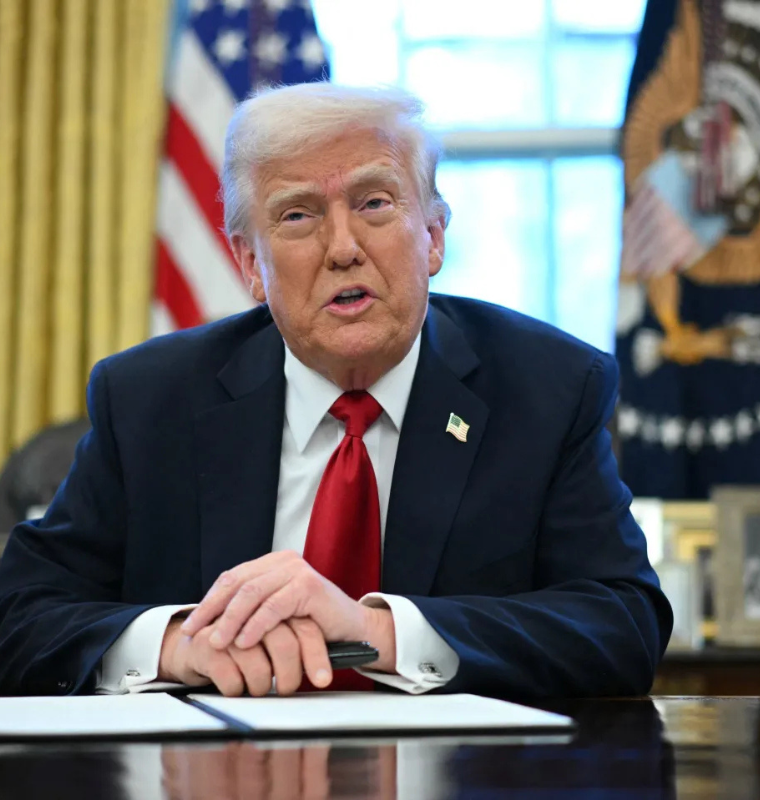
The surge followed confirmation from Donald Trump that Washington would pause planned military strikes on Iranian infrastructure for two weeks. The agreement is conditional on Iran guaranteeing the complete, immediate, and secure reopening of the Strait of Hormuz—a critical artery for global energy trade that handles nearly one-fifth of the world’s oil shipments.
Tehran responded positively. Abbas Araghchi signaled that Iran would halt defensive operations and coordinate safe maritime passage through the strait during the ceasefire window, easing fears of supply disruptions that had rattled markets.
South Korea Leads a Region-Wide Rally
South Korean equities outperformed across Asia, with the Kospi index surging nearly 7% to close at 5,872.34. The smaller Kosdaq index climbed 5.12% to 1,089.85, reflecting strong buying interest in growth and technology stocks.
Heavyweight tech firms drove much of the momentum. Samsung Electronics and SK Hynix posted strong gains as investors rotated back into semiconductors, a sector highly sensitive to global economic sentiment.
Japan’s Nikkei 225 rose 5.39% to 56,308.42, while the broader Topix index gained 3.32%, supported by exporters benefiting from improved global outlook expectations.
Across Greater China, mainland markets saw the CSI 300 jump 3.33%, while Hong Kong’s Hang Seng Index advanced 3.1% as trading resumed after a holiday. Australia’s S&P/ASX 200 added 2.55% to close at 8,951.8, and India’s Nifty 50 climbed 3.65%, confirming a synchronized regional upswing.
Oil Prices Plunge, Easing Inflation Concerns
Energy markets reacted sharply to the ceasefire announcement. U.S. West Texas Intermediate crude dropped more than 16% to $94.71 per barrel, while Brent crude fell nearly 15% to around $93.
The rapid decline reflects fading fears of supply disruptions in the Strait of Hormuz. For global markets, this is a significant development, as lower oil prices directly reduce inflationary pressure and improve economic outlooks.
Cheaper energy costs can ease the burden on both consumers and businesses, potentially allowing central banks more flexibility to shift toward interest rate cuts in the coming months.
Global Markets Follow the Momentum
The positive sentiment extended beyond Asia. U.S. futures surged, with contracts tied to the Dow Jones Industrial Average rising by 718 points, or 1.5%. S&P 500 futures gained 1.6%, and Nasdaq 100 futures climbed 1.7%, signaling a strong start for Wall Street.
This came after a relatively muted previous session in the U.S., where the S&P 500 edged up 0.08% to 6,616.85 and the Nasdaq Composite rose 0.10% to 22,017.85. The Dow Jones Industrial Average slipped slightly, highlighting how quickly sentiment has shifted following geopolitical developments.
Markets Reprice Risk as Outlook Improves
The sharp rally reflects a broader recalibration of risk. Investors are increasingly optimistic that easing geopolitical tensions could stabilize global energy markets and support economic growth.
Lower oil prices are particularly significant in the current macro environment, where inflation remains a key concern for policymakers. A sustained decline in energy costs could accelerate disinflation trends and strengthen the case for monetary easing across major economies.
At the same time, the rebound is being driven by positioning adjustments, with investors moving back into equities after a period of heightened caution.
Cautious Optimism Amid Uncertainty
Despite the strong gains, market participants remain aware that the ceasefire is temporary. The two-week timeframe leaves room for renewed volatility if negotiations falter or tensions escalate again.
The Strait of Hormuz continues to be a strategic flashpoint, and any disruption could quickly reverse the recent gains in both equity and energy markets.
For now, the rally underscores how sensitive global markets are to geopolitical developments. While the immediate reaction has been overwhelmingly positive, the sustainability of the uptrend will depend on whether the ceasefire holds and whether oil prices remain stable.
In the near term, investors are likely to balance optimism with caution—participating in the upside while remaining prepared for sudden shifts in the global risk landscape.
.webp)
Popular articles



Subscribe to unlock premium content
The Hidden World of Ultra-Rare Seaweed Farming

Riding Waves and Wealth in Bali

The Market for Renting Private Libraries Where Only Rare, Unpublished Manuscripts Exist

The Hidden World of Ultra-Rare Seaweed Farming
Riding Waves and Wealth in Bali
The Hidden World of Ultra-Rare Seaweed Farming