Social Media Is Transforming India’s Consumer Market as Health-Conscious Buyers Pressure Global Brands

Social Media Is Transforming India’s Consumer Market as Health-Conscious Buyers Pressure Global Brands
By
David Goldfarb
Last updated:
May 8, 2026
First Published:
May 8, 2026

Getty Images
India’s rapidly expanding consumer market is undergoing a major transformation as social media influencers reshape how millions of people buy packaged food and beverages, forcing global brands to rethink product strategies, sugar content, marketing tactics, and consumer trust.
What was once a market dominated by celebrity endorsements and massive advertising budgets is increasingly becoming driven by digital communities, viral product reviews, and ingredient-focused consumer awareness campaigns.
From PepsiCo and Coca-Cola to Dabur and Mondelez, some of the world’s largest consumer goods companies are now facing growing pressure to offer healthier products as Indian consumers become more informed about food labels, sugar levels, additives, and nutritional claims.
Industry analysts say this shift could permanently change how brands compete in one of the world’s most important growth markets.
India Emerges as a Critical Growth Engine for Global Brands
India has become one of the most strategically important consumer markets globally as multinational companies search for long-term growth opportunities beyond slower-growing developed economies.
According to Bain & Company, India’s per capita income is projected to grow faster over the next five years than other major emerging markets including China, Brazil, Mexico, and Russia.
The country’s massive population, expanding middle class, rising smartphone penetration, and growing digital economy are fueling a consumption boom across categories ranging from beverages and packaged foods to cosmetics, personal care, household products, and wellness items.
Global companies already dominate large portions of India’s consumer products market across categories such as soft drinks, snacks, detergents, and baby products.
However, winning in India is becoming increasingly complex as younger consumers demand greater transparency, healthier ingredients, and stronger accountability from brands.
Social Media Is Changing Consumer Behavior
Over the last several years, social media platforms have become powerful tools for public awareness campaigns surrounding food safety, nutrition, misleading advertising, and ingredient transparency in India.
Influencers and independent content creators are increasingly encouraging consumers to read product labels carefully, compare ingredients, and question health claims made by large corporations.
This shift is creating what experts describe as a move away from “celebrity-driven trust” toward “community-verified trust.”
Consumers are now relying more heavily on peer reviews, influencer breakdowns, viral educational videos, and online discussions rather than traditional advertising campaigns.
Food safety expert Shamik Kumar said the rise of social media has fundamentally changed the relationship between brands and consumers in India.
Instead of blindly trusting marketing campaigns featuring celebrities and athletes, consumers are increasingly demanding evidence, transparency, and nutritional clarity.
PepsiCo Accelerates Push Toward Low-Sugar Products
One of the clearest signs of this shift is the response from PepsiCo India.
The company recently revealed that more than 50% of its beverage portfolio in India now consists of low- or no-sugar products, with plans to eventually raise that figure to 90%.
Nitin Bhandari, vice president and general manager of beverages at PepsiCo India, said the company is actively gathering consumer insights through social media engagement, digital forums, and its WhatsApp-based loyalty platform called PepGenie.
The strategy reflects how major multinational corporations are increasingly using digital consumer feedback to shape product development and marketing decisions in real time.
As awareness around sugar consumption rises globally, India has become a particularly important battleground because of growing public health concerns linked to obesity and diabetes.
India is currently home to roughly 100 million people living with diabetes, while obesity rates continue climbing rapidly across urban populations.
Health experts say packaged food consumption, sugary beverages, and changing lifestyles are contributing significantly to the trend.
Viral Influencers Are Reshaping the Food Industry
Few creators symbolize this movement more than social media influencer Revant Himatsingka, widely known online as “Food Pharmer.”
With millions of followers across digital platforms, Himatsingka has gained national attention for creating viral videos analyzing ingredient labels and nutritional content in popular food and beverage products.
His videos frequently encourage consumers to examine sugar levels, additives, preservatives, and marketing claims more carefully before purchasing products.
Several major brands have faced public criticism following viral social media campaigns tied to his content and similar creators.
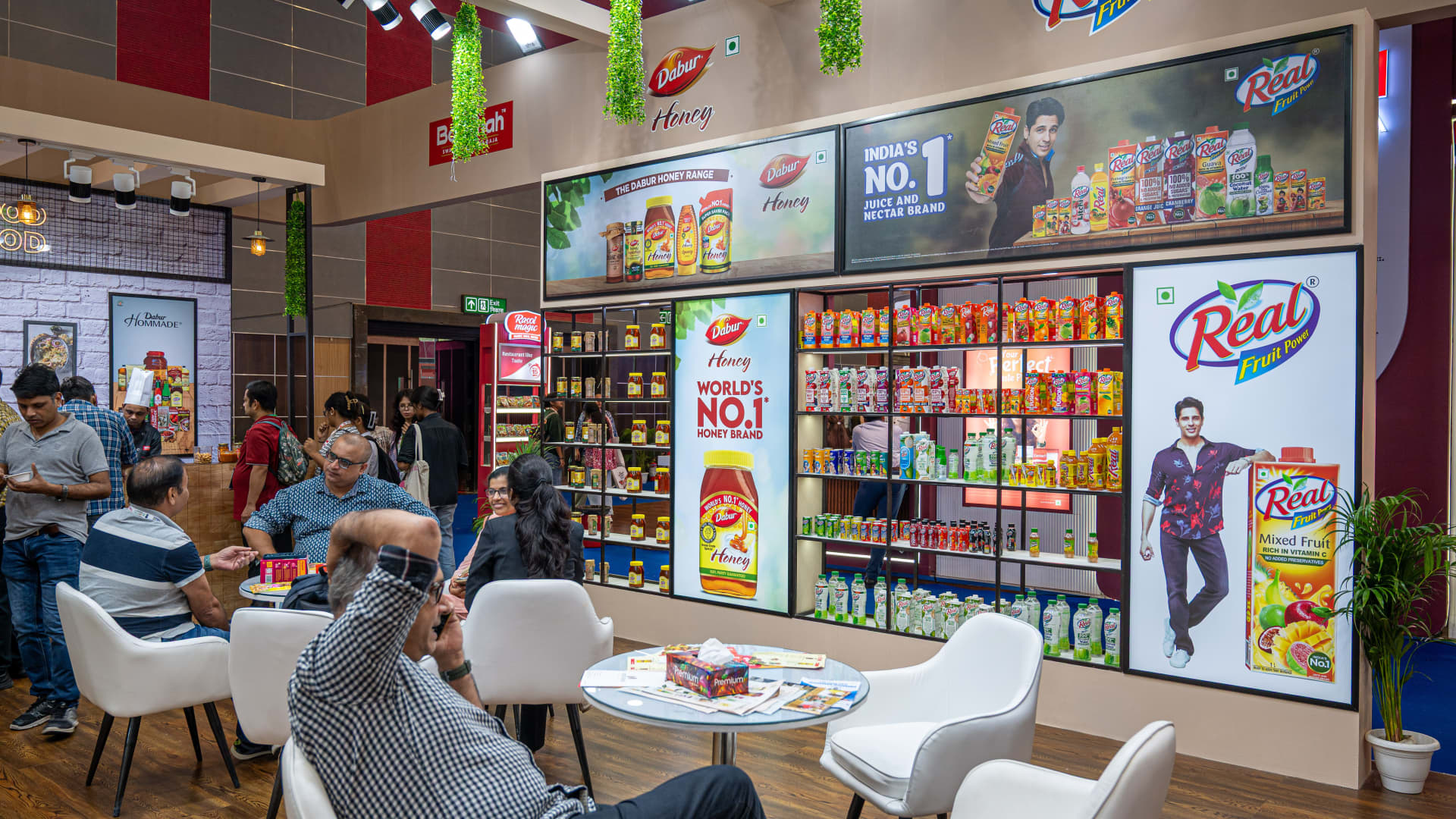
Mondelez-owned Bournvita and Dabur’s Real fruit juice products both came under intense public scrutiny after videos highlighting high sugar content spread widely online.
Although Himatsingka reportedly removed one viral Bournvita-related video after legal and public pressure, the controversy still sparked broader consumer debate around health claims and sugar content.
According to local reports, Bournvita later reduced sugar levels in its products following the backlash.
Meanwhile, Dabur stated that it had already begun reducing sugar in its Real juice products as early as 2018 and had achieved a 21% reduction by 2023.
The company also confirmed it is working toward an additional 20% reduction in sugar across its core beverage range while developing low-sugar and zero-sugar alternatives.
Regulators Tighten Rules on Health Claims
India’s food safety regulators are also becoming more aggressive in response to growing public concern.
Authorities have issued notices restricting companies from marketing malt-based beverages as “health drinks” and have challenged the use of “100% fruit juice” labels on products containing added sugar.
The crackdown reflects increasing government scrutiny of marketing practices within the packaged food industry.
Just last month, viral social media videos criticizing the sugar content of mango-flavored beverages — including Coca-Cola’s Maaza — generated national debate and even reached discussions in the Indian parliament.
Analysts say regulators are under mounting pressure to introduce stricter labeling rules, nutritional transparency standards, and advertising guidelines as public awareness grows.
Direct-to-Consumer Brands Are Gaining Momentum
The social media-driven health movement is also creating opportunities for a new generation of direct-to-consumer brands.
Traditionally, large consumer goods companies held a major advantage in India because of their vast offline distribution networks and enormous advertising budgets.
However, expanding e-commerce infrastructure, digital payments, faster delivery systems, and influencer marketing are helping smaller brands compete more effectively than ever before.
Venture capital firms are increasingly investing in startups focused on clean-label products, organic foods, low-sugar snacks, and wellness-oriented beverages.
Yash Dholakia, partner at venture capital firm Sauce.vc, said Indian consumers are becoming far more conscious about ingredients, quality, and product efficacy.
He believes the trend represents a major long-term shift in how food and personal care brands will be built in India.
“This is a massive lever on which future personal care and food brands will be built,” Dholakia said, warning that traditional brands unwilling to evolve risk losing relevance.
His firm has already invested in startups aiming to rebuild trust in packaged food through ingredient transparency and social media education campaigns.
Influencer-Led Brands Enter the Market
The influence of digital creators is extending beyond criticism into entrepreneurship itself.
Himatsingka has now launched his own packaged food brand focused on what he describes as “clean label products” — items featuring short, simple ingredient lists with fewer additives and preservatives.
This model mirrors broader global trends where influencers increasingly convert audiences into direct consumer businesses.
Several other social media-driven brands have emerged in India over recent years, leveraging online communities to market healthier alternatives to mainstream packaged products.
Industry experts say the combination of viral awareness campaigns and growing availability of healthier substitutes is accelerating pressure on established multinational brands.
The Future of India’s Consumer Market Is Becoming Digital and Health-Focused
India’s consumer landscape is entering a new phase where health awareness, digital influence, and community trust are becoming just as important as traditional advertising power.
For global brands, success in India will increasingly depend on how quickly companies adapt to shifting consumer expectations around transparency, nutrition, and authenticity.
Social media is no longer simply a marketing channel — it has evolved into a force capable of shaping purchasing behavior, influencing regulatory action, and redefining competitive advantage in one of the world’s most valuable consumer markets.
As millions of Indian consumers continue scrutinizing labels and demanding healthier choices, companies that fail to evolve may find themselves rapidly losing ground to faster-moving, digitally native competitors.
.webp)
Popular articles



Subscribe to unlock premium content
Wild Luxury Redefined

Cinema in the Sky

Sustainable Style Without Compromise
Wild Luxury Redefined
Cinema in the Sky
Wild Luxury Redefined